- Easy
- 60 min
- 4 serv.
- 18 synergies
- Now at its best: Tomato
A warm baked dish with rolled corn tortillas, black beans, bell pepper, coriander and melted cheddar under a spiced tomato sauce. Comfort food with Mexican flavours, plenty of colour and a hearty plant-based base.
These enchiladas are exactly the kind of baked dish you make when you want something savoury, spiced and generous. The black beans are mixed with bell pepper, coriander and part of the cheese, giving the filling body without making it heavy. The tomato sauce gets depth from cumin, paprika, garlic and chipotle: warm, lightly smoky and just spicy enough. In the oven, the tortillas turn soft inside while the edges become lightly crisp under the melted cheddar. A squeeze of lime and fresh coriander finish everything with brightness.
- 25
- min prep
- 35
- min cook
- 60
- min total
Nutritional Synergies
This recipe combines ingredients that enhance each other:
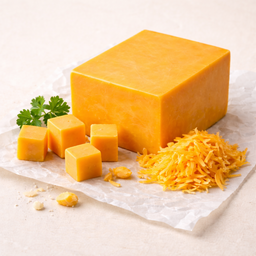 Cheddar
 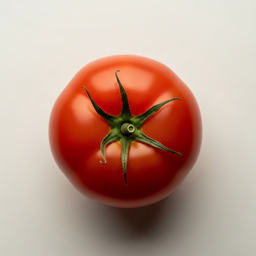 Canned tomatoes
 Cheddar fat increases lycopene absorption from tomato by 4x
Technical: Cheddar contains 33g fat per 100g (highest of all hard cheeses) that dissolves lycopene from tomato (3-7mg/100g). Lycopene is a carotenoid with the strongest singlet oxygen quenching capacity (2x stronger than beta-carotene). Without fat only 10-15% is absorbed; with fat this rises to 40-60% (4x improvement). Cooking tomatoes breaks down cell walls for better lycopene release. Cheddar's calcium (720mg/100g) does NOT interfere with lycopene.
What does this mean for you? Cheddar tomato soup, grilled cheese with tomato or cheddar on pizza — all classics are scientifically smart. The cheddar fat ensures you absorb 4x more lycopene.
HeartSkin & Hair
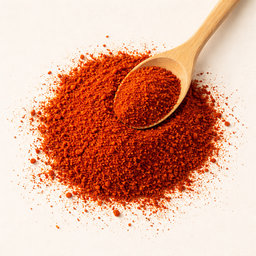 Chipotle chili powder
 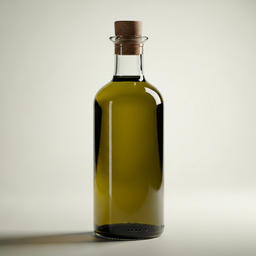 Olive oil
 Capsaicin absorption increased by fats
Technical: Capsaicin in chili powder is fat-soluble. Fats (olive oil, coconut oil) increase bioavailability 2-3x by dissolving capsaicin in lipid micelles. Additionally, fats reduce direct capsaicin irritation on the stomach lining by forming a protective fat layer.
What does this mean for you? Fry chili powder in oil before adding other ingredients. The fat makes the chili milder for your stomach but more powerful for your metabolism.
Weight LossAnti-inflammatory
Chipotle chili powder Canned tomatoes Capsaicin increases lycopene absorption and enhances antioxidant action
Technical: Chili powder's capsaicin temporarily increases intestinal permeability, allowing lycopene (3-7mg/100g in tomato) to be better absorbed. Tomato's lycopene and chili's capsaicin are both carotenoid-like antioxidants that work synergistically: lycopene neutralizes singlet oxygen, capsaicin inhibits lipid peroxidation. The combination offers broader antioxidant protection than either alone. Salsa (tomato + chili) is botanically optimized.
What does this mean for you? Salsa, arrabbiata sauce or tomato soup with chili is scientifically a top combination. The chili makes lycopene from tomatoes more available to your body.
HeartSkin & HairAnti-inflammatory
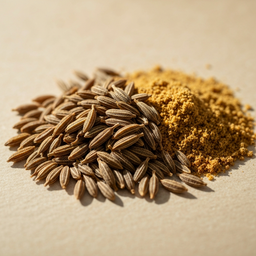 Ground cumin
 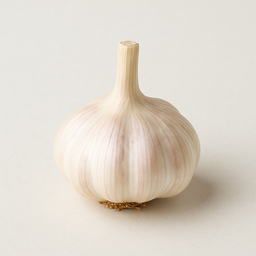 Garlic
 Double digestive support: enzymes + bioactive compounds
Technical: Cumin promotes digestive enzyme activity (amylase, lipase, protease) and increases bile flow. Garlic's allicin has broad bioactivity targeting pathogenic gut bacteria while sparing beneficial ones.
What does this mean for you? Fry garlic and cumin together as base for curries, soups and stews. Classic combination in virtually every cuisine in the world.
DigestionImmune System
Ground cumin Olive oil Fat activates volatile oils and increases cuminaldehyde absorption
Technical: Cumin's active compounds (cuminaldehyde, cymene, terpinene) are volatile, fat-soluble compounds. Frying in olive oil extracts and stabilizes these compounds, and the fat improves their gut absorption.
What does this mean for you? Briefly fry cumin in olive oil before adding other ingredients (tadka/tempering). This is why Indian and Middle Eastern cuisines always fry cumin in oil.
DigestionAnti-inflammatoryBlood Sugar
Ground cumin 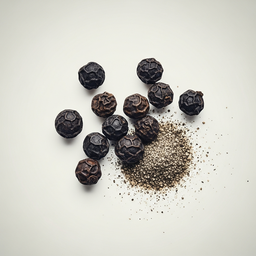 Black pepper
 Piperine increases absorption of cumin's active compounds 2-3x
Technical: Cumin contains cuminaldehyde and thymoquinone with digestive-promoting and bioactive properties. Piperine from black pepper inhibits CYP3A4 enzymes, reducing breakdown and improving absorption 2-3x.
What does this mean for you? Always add black pepper to dishes with cumin. This is why many spice blends (garam masala, ras el hanout) contain both.
DigestionAnti-inflammatory
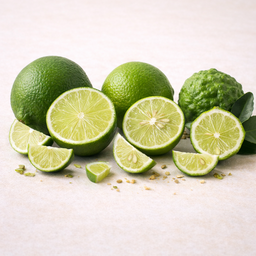 Lime Olive oil
 Vitamin C + olive oil fats for iron absorption and antioxidant action
Technical: Lime's vitamin C (ascorbic acid) improves absorption of non-heme iron from plant sources. Olive oil's fat-soluble polyphenols (hydroxytyrosol) are better absorbed in combination with vitamin C, which acts as an antioxidant keeping the polyphenols stable.
What does this mean for you? Lime-olive oil dressing is a classic combination that helps your body absorb more iron and antioxidants from your salad.
Immune SystemEnergySkin & Hair
Olive oil Garlic Aglio e olio: allicin + oleocanthal via complementary biochemical pathways
Technical: Garlic contains allicin (formed when cutting/crushing) that influences HMG-CoA reductase (involved in lipid metabolism). Olive oil contains oleocanthal that modulates COX-1/2 enzymes. Together they influence lipid metabolism and prostaglandin cascade via complementary biochemical pathways. The fat also helps absorb fat-soluble garlic compounds.
What does this mean for you? Gently warm garlic in olive oil (don't burn!) as the base for many dishes. This is why 'aglio e olio' pasta is so beloved — two bioactive compounds that reinforce each other.
HeartImmune System
Olive oil Canned tomatoes Mediterranean golden rule: fat increases lycopene absorption 4x
Fat significantly increases lycopene bioavailability (PMID: 15927929)
Technical: Tomatoes contain lycopene (3-7mg per 100g), a carotenoid with strong antioxidant action. Lycopene is fat-soluble with only 10-15% absorption without fat. Olive oil increases this to 40-60% (2.5-4x improvement). Cooking further increases lycopene bioavailability.
What does this mean for you? Always add olive oil to tomato dishes — sauces, salads, bruschetta. This is why Mediterranean cuisine is so healthy. Cooked tomatoes with olive oil = maximum lycopene.
HeartSkin & Hair
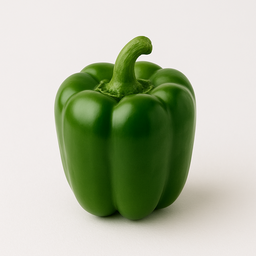 Bell peppers Olive oil
 Fat improves carotenoid absorption from bell pepper
Technical: Red bell pepper contains 3131μg beta-carotene and 51μg lutein per 100g, plus 127mg vitamin C (211% RDI). Carotenoids are fat-soluble — without fat only 3-5% is absorbed. Olive oil increases bioavailability to 15-20% through micelle formation in the small intestine.
What does this mean for you? Roast bell pepper with olive oil or make a salad with olive oil dressing. Red pepper contains 10x more carotenoids than green — choose red for maximum effect.
Immune SystemSkin & Hair
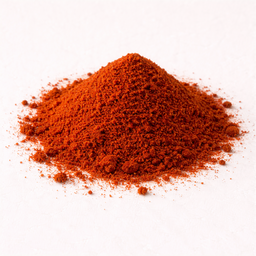 Paprika Olive oil
 3x better carotenoid absorption with fats
Technical: Paprika powder is extremely rich in carotenoids: beta-carotene, capsanthin and cryptoxanthin. These are all fat-soluble with only 5-10% absorption without fat. Olive oil or butter create micelles increasing absorption up to 3x. Additionally, vitamin E from olive oil protects carotenoids from oxidation.
What does this mean for you? Always briefly fry paprika powder in oil or butter before adding liquid. This activates the color and increases vitamin absorption up to 3x — the basis of Hungarian goulash.
Skin & HairImmune System
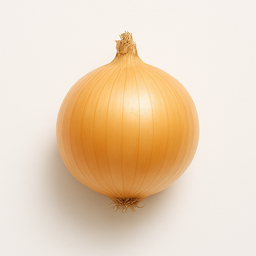 Onion Garlic
 More than 20 organosulfur compounds in one soffritto
Technical: Onion contains diallyl disulfide and quercetin (20-40mg/100g). Garlic contains allicin, ajoene and S-allylcysteine. Together they provide more than 20 different organosulfur compounds that modulate NF-κB. Allium crops are intensively studied in nutrition science for their unique sulfur chemistry.
What does this mean for you? Start every dish with sautéed onion and garlic — not just for flavor, but for the unique concentration of organosulfur compounds. Cut garlic 10 minutes before heating to allow allicin formation.
DigestionImmune System
Onion Canned tomatoes Quercetin + lycopene: synergistic polyphenol-carotenoid combination
Technical: Quercetin from onion (20-40mg/100g) and lycopene from tomato (2573μg/100g) work through different mechanisms. Quercetin chelates metal ions and modulates lipid peroxidation, lycopene quenches singlet oxygen. Combined polyphenols and carotenoids work synergistically — the combination works through complementary mechanisms.
What does this mean for you? Tomato sauce with onion is the base of nearly every Mediterranean cuisine — and rightly so. Quercetin and lycopene enhance each other's action through complementary biochemical pathways. Cooking in olive oil makes carotenoids more absorbable.
HeartAnti-inflammatory
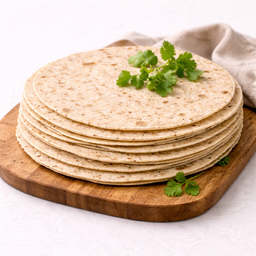 Corn tortillas
 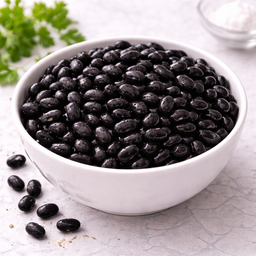 Black beans
 Complete protein combination + healthy fats
Technical: Whole wheat contains methionine and cysteine but is low in lysine. Black beans are rich in lysine (1.5g per 100g) but low in sulfur-containing amino acids. Together they form a complete protein profile — the biochemical basis of the Mexican burrito. Avocado provides 15g monounsaturated fats that increase absorption of fat-soluble vitamins (A, D, E, K) from all ingredients.
What does this mean for you? The Mexican burrito with whole wheat tortilla, black beans and avocado is a nutritionally complete meal. The beans complement the wheat protein, and the avocado ensures you absorb the vitamins. Add tomato for vitamin C and extra iron absorption.
Muscle GainHeart
 Sea salt Canned tomatoes
 Minerals improve flavor perception and electrolyte balance
Technical: Sea salt contains trace minerals (magnesium, potassium, calcium) besides sodium. Tomato is rich in potassium (237mg/100g) and lycopene. Avocado adds magnesium (29mg) and potassium (485mg). Together they form a broad electrolyte profile: sodium (salt) + potassium (tomato/avocado) + magnesium (avocado) — essential for fluid balance and nerve function.
What does this mean for you? Sprinkle tomato and avocado with a pinch of sea salt. This is more than flavor — the minerals complement each other for a complete electrolyte balance.
HeartEnergy
Sea salt Olive oil Minerals + polyphenols for cellular balance
Technical: Sea salt's sodium is essential for the sodium-potassium pump (Na+/K+-ATPase) that regulates every body cell. Olive oil's oleuropein and hydroxytyrosol provide antioxidant protection for cell membranes. The combination supports cell integrity: sea salt regulates ion balance, olive oil protects the membrane. In Mediterranean cuisine, coarse sea salt + olive oil is the most basic flavor profile.
What does this mean for you? Freshly ground sea salt with extra virgin olive oil is the simplest and most nutritious finishing of any dish. The combination provides the basic needs of your cells: minerals for function, polyphenols for protection.
HeartGeneral Wellness
Black beans 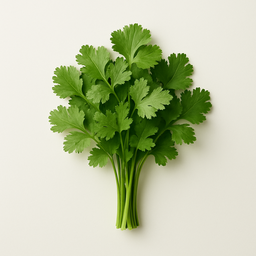 Fresh coriander
 Latin American combination: vitamin C increases iron absorption
Technical: Black beans contain 2.1mg iron per 100g cooked plus anthocyanins (same antioxidants as blueberries). Fresh cilantro contains 27mg vitamin C per 100g that increases iron absorption. The polyphenols in both ingredients enhance each other's antioxidant action.
What does this mean for you? Always garnish your black bean dish with fresh cilantro — this is why it's a staple in Mexican cuisine.
EnergyImmune System
Black pepper Olive oil Fat increases piperine absorption and enhances polyphenols
Technical: Piperine is fat-soluble and absorbed 2-3x better with dietary fat. Olive oil's oleocanthal and piperine both modulate COX signal transduction through different mechanisms, providing additive bioactive effect.
What does this mean for you? Grind fresh pepper over salads with olive oil dressing. The combination enhances both pepper absorption and bioactive action.
Anti-inflammatoryHeartDigestion
Ingredients (15)
- Corn tortillas — 8 pcs small to medium
- Black beans — 400 g canned, rinsed and drained
- Canned tomatoes — 400 g
Instructions
- 1 Preheat the oven to 180°C.
- 2 Heat the olive oil in a pan. Sauté the onion for 3 minutes, add the garlic and cook for 1 more minute.
Nutrition per serving
Indicative values per serving.
Timing & Suitability
Shelf life: 3 days in fridge
Tags & Diet
Allergens: Dairy