- Medium
- 40 min
- 2 serv.
- 11 synergies
- Now at its best: Bok Choy
A creamy Thai coconut soup with tender chicken thighs, rice noodles, bok choy, ginger, turmeric and lemongrass. Lime, cilantro and red chili make the bowl fresh, fragrant and lively.
This soup starts with a small spoonful of thick coconut cream from the tin: just enough to wake up the ginger, turmeric, black pepper and lemongrass without adding extra oil. Then chicken stock and coconut milk join in, turning the base soft, creamy and fragrant. The chicken thighs cook gently in the soup and stay juicy, while the rice noodles are cooked separately so they keep their bite in the bowl. Bok choy goes in near the end, just long enough to become tender while staying fresh and green. Then comes the lime: not boiled, but added at the last moment, so the creamy coconut base becomes bright and lively. Cilantro and red chili finish the bowl with freshness and warmth.
- 15
- min prep
- 25
- min cook
- 40
- min total
Nutritional Synergies
This recipe combines ingredients that enhance each other:
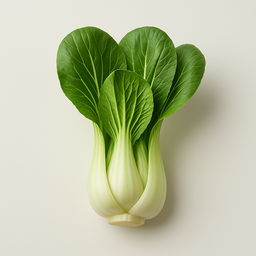 Bok choy
 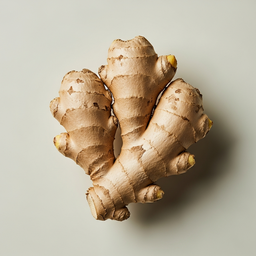 Fresh ginger
 Glucosinolates + gingerols: complementary NF-κB modulation
Technical: Bok choy contains glucosinolates (glucobrassicin) converted to indole-3-carbinol (I3C) — a compound that modulates estrogen metabolism and influences NF-κB. Ginger's 6-gingerol and 6-shogaol modulate COX-2 and iNOS via complementary routes. Together they cover a broad spectrum of bioactive pathways.
What does this mean for you? Stir-frying bok choy with ginger is an Asian base combining two groups of bioactive compounds — each with their own mechanism on NF-κB signaling. A quick, versatile wok combination.
Anti-inflammatoryJoints
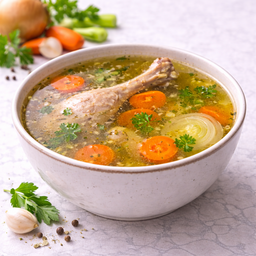 Chicken stock Fresh ginger
 Classic recovery soup with enhanced bioactive action
Technical: Homemade chicken broth contains glycine (bioactive amino acid) and collagen peptides that support the gut wall. Ginger contains gingerol and shogaol that modulate COX-2 and NF-kB signaling pathways, plus promote gastric motility. Together they provide gut support + bioactive modulation.
What does this mean for you? Chicken broth with ginger is the classic recovery soup. The glycine supports your gut, the gingerols from ginger provide bioactive support — all in a comforting soup.
Immune SystemDigestionJoints
Chicken stock 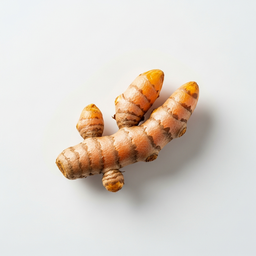 Turmeric
 Collagen + curcumin for joints and bioactive support
Technical: Chicken broth contains type II collagen and glycine that support joint cartilage. Turmeric's curcumin modulates NF-kB signaling pathways. The fat in broth increases curcumin absorption.
What does this mean for you? Add turmeric to your chicken broth. The collagen supports your joints, the curcumin provides bioactive support — and the fat in the broth helps curcumin absorption.
JointsAnti-inflammatoryDigestion
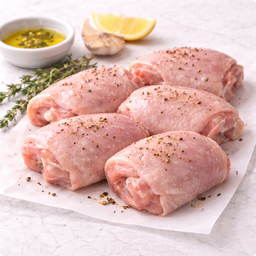 Chicken thighs Turmeric
 Thigh fat increases curcumin absorption for joint and bioactive support
Technical: Chicken thighs contain 10-14g fat per 100g (more than breast: 3g), of which 30% MUFA and 20% PUFA. This higher fat content creates superior micelles for curcumin absorption compared to lean meat. Curcumin (diferuloylmethane) is studied in research in connection with NF-κB and COX-2 signaling (IC50 1-5μM). The iron in chicken thighs (1.3mg/100g heme iron) is protected from oxidation by curcumin's iron-chelating properties.
What does this mean for you? Chicken thighs with turmeric (yellow braised) works better than chicken breast with turmeric — the extra fat from the thighs dissolves more curcumin. Perfect for a curry or roasted chicken thighs with turmeric paste.
Anti-inflammatoryJointsImmune System
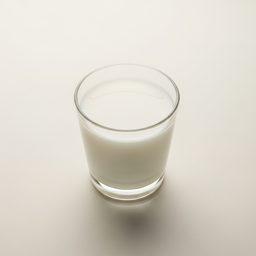 Coconut milk Turmeric
 Golden Milk base - optimal curcumin absorption
Technical: Curcumin from turmeric is fat-soluble with bioavailability below 1% without fat. Coconut milk contains lauric acid and other MCTs that dissolve curcumin and significantly increase gut absorption. MCTs are also rapidly absorbed, efficiently transporting curcumin. This is the principle behind traditional Golden Milk.
What does this mean for you? Make golden milk with coconut milk as base — the coconut fat ensures your body actually absorbs the curcumin. Always add a pinch of black pepper for maximum effect.
Anti-inflammatoryJoints
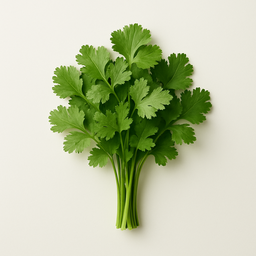 Fresh cilantro Turmeric
 Linalool + curcumin for enhanced bioactive action
Technical: Coriander's linalool and coriander oil are studied in relation to lipoxygenase modulation. Turmeric's curcumin modulates NF-κB and COX-2 signal transduction. Together they cover more bioactive signaling pathways than each herb alone.
What does this mean for you? Use coriander and turmeric together in curries and Indian dishes — a traditional combination that is scientifically supported.
Anti-inflammatoryDigestionAntioxidants
Turmeric Fresh ginger Enhanced bioactive action via two pathways
Technical: Turmeric and ginger belong to the same plant family (Zingiberaceae). Curcumin (turmeric) modulates NF-kB, while gingerol (ginger) modulates COX-2 and LOX (lipoxygenase). Because they target different signaling pathways, they enhance each other's bioactive action.
What does this mean for you? Turmeric + ginger in curry, soup or tea — two related spices that work bioactively via different pathways. Broader together than alone.
Anti-inflammatoryJoints
Turmeric 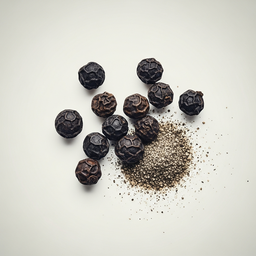 Black pepper
 Increases curcumin absorption by 2000%
Technical: Curcumin from turmeric has bioavailability below 1% due to rapid glucuronidation in the liver. Piperine from black pepper inhibits UGT (UDP-glucuronosyltransferase) and CYP3A4, preventing curcumin breakdown. This increases bioavailability by 2000% (20x). Use ratio ¼ teaspoon pepper to 1 teaspoon turmeric.
What does this mean for you? ALWAYS add black pepper when using turmeric. Without pepper your body absorbs virtually nothing — with pepper 20x more. This is the most important food synergy there is.
Anti-inflammatoryJointsFocus
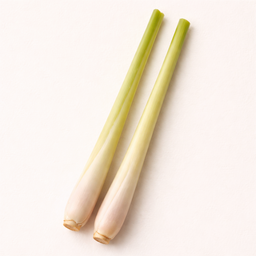 Lemongrass Fresh ginger
 Classic Asian digestive support
Technical: Lemongrass contains citral that promotes digestive enzymes and is bioactive. Ginger's gingerol accelerates gastric motility (prokinetic) and suppresses nausea. Together they promote digestion via two complementary pathways.
What does this mean for you? Lemongrass + ginger in soup or tea — a classic Asian combination. Two herbs that promote your digestion via complementary pathways.
DigestionAnti-inflammatory
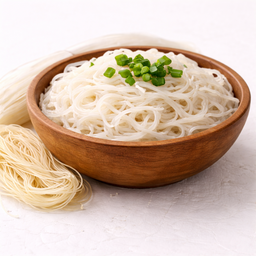 Rice noodles Fresh ginger
 Mild carbohydrates + gingerols for digestion and warmth
Technical: Rice noodles are gluten-free and easily digestible with moderate starch (24g/100g cooked). Ginger contains gingerols and shogaols that promote gastric motility via 5-HT3 antagonism and prokinetic action. Gingerols increase production of digestive enzymes.
What does this mean for you? Rice noodles with ginger is a classic Asian combination that's easily digestible. The ginger keeps your digestion active while the noodles provide gentle energy.
DigestionImmune System
Rice noodles 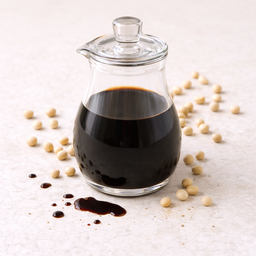 Gluten-free tamari or soy sauce
 Sesame + soy = complete amino acids + fats
Technical: Rice noodles (rice flour) are low in lysine — the limiting amino acid in rice protein. Soy sauce (fermented soybeans) is rich in lysine and provides free glutamate for umami. Sesame oil contains methionine (complementary amino acid) plus sesamin and sesamol — unique lignans with antioxidant action. Together they form an amino acid-complete profile.
What does this mean for you? Stir-fry rice noodles with sesame oil and soy sauce — this is the foundation of countless Asian dishes. The three together provide complete proteins, healthy fats AND intense umami flavor. Add vegetables for a complete meal.
Muscle GainGeneral Wellness
Ingredients (13)
- Chicken thighs — 300 g boneless, cut into 2-3 cm pieces, halal if needed
- Coconut milk — 400 ml full-fat canned, not fully shaken so you can use some thick cream
- Rice noodles — 150 g flat noodles
Instructions
- 1 Cut the chicken thighs into 2-3 cm pieces. Finely grate the ginger and bruise the lemongrass stalks with the flat side of a knife.
- 2 Spoon 2 tablespoons of thick coconut cream from the tin into a large soup pot and heat over medium heat.
Nutrition per serving
Indicative values per serving.
Timing & Suitability
Shelf life: 2 days in fridge
Tags & Diet
Allergens: Soy