- Easy
- 40 min
- 2 serv.
- 19 synergies
- Now at its best: Broccoli
A colorful bowl with quinoa, roasted sweet potato and broccoli, fresh spinach and avocado. The ginger-tahini dressing with lemon keeps it creamy yet bright. A practical bowl for lunch or dinner, also suitable for meal prep.
This bowl feels warm and fresh at the same time. Roasted sweet potato develops soft edges and light caramel notes, while broccoli keeps a pleasant bite. Quinoa creates a fluffy base that absorbs the ginger-tahini dressing beautifully. Avocado and spinach add creaminess and bright green freshness, and sesame seeds finish with a nutty touch. Each bite shifts between soft, crisp and juicy textures.
- 15
- min prep
- 25
- min cook
- 40
- min total
Nutritional Synergies
This recipe combines ingredients that enhance each other:
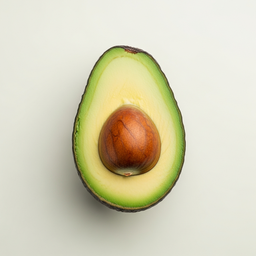 Avocado
 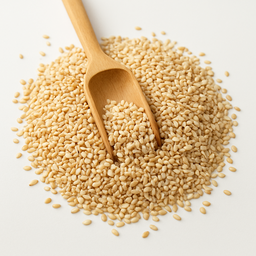 Sesame seeds
 Healthy fats improve mineral absorption from sesame seeds
Technical: Avocado contains 15% mono-unsaturated fats and vitamin E. Sesame seeds are rich in calcium (975mg/100g), iron (14.5mg) and zinc. The fats from avocado improve absorption of these minerals and the fat-soluble lignans (sesamin, sesamolin) from sesame seeds.
What does this mean for you? Add sesame seeds to your avocado toast or poke bowl. The combination is not only delicious but also remarkably rich in minerals.
JointsEnergySkin & Hair
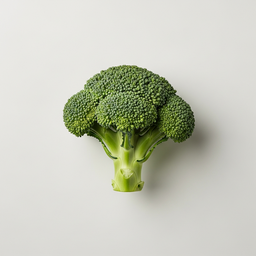 Broccoli
 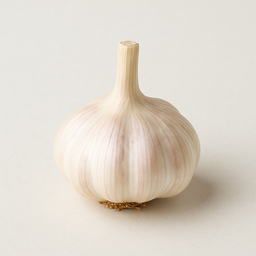 Garlic
 Double sulfur compounds for Nrf2 activation and phase-II enzymes
Technical: Broccoli contains sulforaphane (isothiocyanate) activating the Nrf2 pathway and inducing phase-II enzymes (glutathione S-transferase, quinone reductase). Garlic contains allicin and diallyl sulfide — also sulfur compounds activating the same Nrf2 pathway via thiol reaction. Both are sulfur-containing compounds working synergistically.
What does this mean for you? Briefly sauté garlic and add broccoli — a classic stir-fry base. Two sulfur-rich ingredients each activating the same Nrf2 pathway through their own route. Cut garlic 10 minutes before heating for maximum allicin.
AntioxidantsImmune SystemAnti-inflammatory
Broccoli 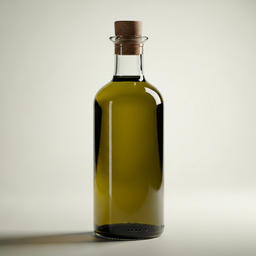 Olive Oil
 Improves absorption of fat-soluble vitamins
Technical: Broccoli contains 102μg vitamin K per 100g (85% RDI) and 623 IU vitamin A (provitamin A as beta-carotene). Both are fat-soluble — without fat only 5-10% is absorbed. Olive oil's unsaturated fats stimulate micelle formation in the small intestine, increasing absorption up to 5x.
What does this mean for you? A drizzle of olive oil on broccoli isn't luxury but necessity. Without fat you barely absorb vitamin K — essential for blood clotting. Good to know: vitamin K contributes to normal blood clotting (EFSA-approved).
Joints
Garlic 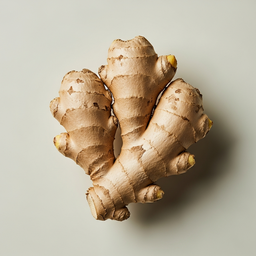 Ginger
 Allicin + gingerols: complementary bioactive action
Technical: Garlic's allicin works via thiol enzyme inhibition — effective against gram-positive bacteria (Staphylococcus, Streptococcus). Ginger's gingerols and shogaols influence viral replication and stimulate interferon production. Together they cover both bacterial and viral pathways.
What does this mean for you? Garlic-ginger tea is a classic combination. Garlic works via thiol enzymes, ginger via interferon pathways. Cut both fresh for maximum active compounds — allicin only forms after 10 minutes of air exposure.
Immune System
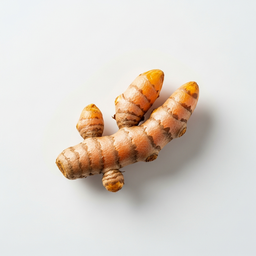 Turmeric Ginger
 Enhanced bioactive action via two pathways
Technical: Turmeric and ginger belong to the same plant family (Zingiberaceae). Curcumin (turmeric) modulates NF-kB, while gingerol (ginger) modulates COX-2 and LOX (lipoxygenase). Because they target different signaling pathways, they enhance each other's bioactive action.
What does this mean for you? Turmeric + ginger in curry, soup or tea — two related spices that work bioactively via different pathways. Broader together than alone.
Anti-inflammatoryJoints
Turmeric 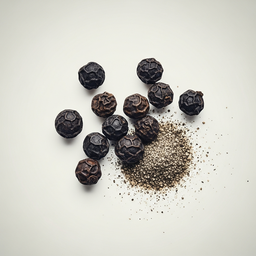 Black Pepper
 Increases curcumin absorption by 2000%
Technical: Curcumin from turmeric has bioavailability below 1% due to rapid glucuronidation in the liver. Piperine from black pepper inhibits UGT (UDP-glucuronosyltransferase) and CYP3A4, preventing curcumin breakdown. This increases bioavailability by 2000% (20x). Use ratio ¼ teaspoon pepper to 1 teaspoon turmeric.
What does this mean for you? ALWAYS add black pepper when using turmeric. Without pepper your body absorbs virtually nothing — with pepper 20x more. This is the most important food synergy there is.
Anti-inflammatoryJointsFocus
Olive Oil Garlic Aglio e olio: allicin + oleocanthal via complementary biochemical pathways
Technical: Garlic contains allicin (formed when cutting/crushing) that influences HMG-CoA reductase (involved in lipid metabolism). Olive oil contains oleocanthal that modulates COX-1/2 enzymes. Together they influence lipid metabolism and prostaglandin cascade via complementary biochemical pathways. The fat also helps absorb fat-soluble garlic compounds.
What does this mean for you? Gently warm garlic in olive oil (don't burn!) as the base for many dishes. This is why 'aglio e olio' pasta is so beloved — two bioactive compounds that reinforce each other.
HeartImmune System
Olive Oil Sesame seeds Olive oil fats improve absorption of sesame seed minerals and lignans
Technical: Olive oil's monounsaturated fats (oleic acid) improve absorption of fat-soluble lignans from sesame seeds. Additionally, olive oil polyphenols (oleocanthal) and sesame lignans form a broader antioxidant spectrum.
What does this mean for you? Use olive oil in dishes with sesame seeds — for example in an Asian salad or as a base for tahini dressing.
HeartAnti-inflammatorySkin & Hair
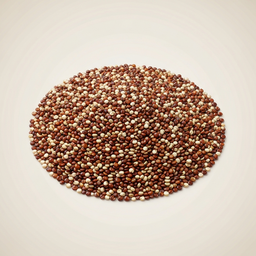 Quinoa Avocado
 Fat increases absorption of quinoa's fat-soluble vitamins
Technical: Quinoa contains vitamin E (2.4mg/100g), beta-carotene and other carotenoids that are fat-soluble. Avocado contains 15g healthy fats that stimulate micelle formation in the gut and increase absorption of these vitamins by 3-5x. Avocado also provides extra potassium (485mg).
What does this mean for you? Add avocado to your quinoa salad or bowl. This increases not only satiety through the fats but also nutrient absorption.
EnergySkin & Hair
Quinoa 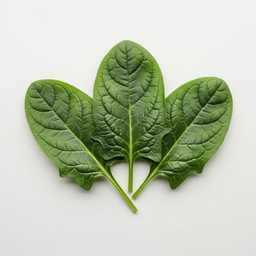 Spinach
 Complete meal with all amino acids and iron
Technical: Quinoa contains all 9 essential amino acids with 14g protein per 100g (dry) — unique for a pseudograin. Spinach provides 2.7mg non-heme iron per 100g plus 28mg vitamin C that increases iron absorption from both quinoa and spinach through Fe³⁺ → Fe²⁺ reduction. Spinach's folic acid (194μg per 100g) complements quinoa's mineral profile.
What does this mean for you? Quinoa-spinach salad is one of the most complete plant-based meals. The vitamin C in spinach ensures you actually absorb the iron from both ingredients. Add lemon juice for even more effect.
Muscle GainEnergy
Quinoa Black Pepper Improves quercetin absorption from quinoa
Technical: Quinoa contains quercetin (up to 36mg per 100g) and kaempferol, both powerful flavonoids with low bioavailability (25-50%). Piperine from black pepper inhibits glucuronidation in the gut — the process that inactivates flavonoids for excretion. This increases quercetin bioavailability by 30-50%, comparable to the well-known piperine-curcumin effect.
What does this mean for you? Grind fresh black pepper over your quinoa dishes. Just as pepper activates turmeric, it does the same for quinoa's antioxidants. A simple grind of pepper makes your quinoa significantly healthier.
Anti-inflammatoryHeart
Spinach Avocado Fat source for better absorption of fat-soluble nutrients
Technical: Spinach contains 12.2mg lutein per 100g — highest of all vegetables. Avocado provides 15g monounsaturated fats per 100g that increase carotenoid bioavailability up to 15x (Molecular Nutrition & Food Research). Avocado's own lutein (0.27mg/100g) also contributes.
What does this mean for you? Spinach salad with avocado is an excellent combination for your eye pigments. Without fat you barely absorb lutein — with avocado up to 15x more. Lutein and zeaxanthin contribute to the maintenance of normal vision.
Skin & HairHeartFocus
Spinach Olive Oil Makes fat-soluble vitamins and antioxidants available
Technical: Spinach contains 483μg vitamin K (403% RDI), 5626μg beta-carotene, 2mg vitamin E and 12.2mg lutein — all fat-soluble. Without fat only 5-10% is absorbed. Olive oil's monounsaturated fats (73% oleic acid) form micelles that increase absorption 2-5x.
What does this mean for you? Always eat spinach with olive oil or another fat source. Without fat you waste most of spinach's impressive vitamin profile. A drizzle of olive oil is essential for proper absorption.
Skin & HairJoints
Spinach Sesame seeds Iron + calcium + copper: mineral synergy
Technical: Spinach contains 2.7mg iron per 100g (15% RDI). Sesame seeds contain 975mg calcium per 100g (highest of all seeds!) plus 14.5mg iron. The combination delivers a rich mineral dose. Sesame seeds also contain copper (4.1mg/100g) — copper contributes to normal iron transport in the body (EFSA-approved).
What does this mean for you? Korean namul (sesame spinach) is not only delicious but also exceptionally mineral-rich. Copper from sesame seeds contributes to normal iron transport. Ideal for vegetarians.
EnergyJointsMuscle Gain
Spinach Black Pepper Increases beta-carotene absorption from vegetables
Technical: Spinach contains 5626μg beta-carotene per 100g. Piperine from black pepper (5-9% by weight) inhibits glucuronidation in the gut, keeping beta-carotene in its active form longer. Piperine also increases intestinal epithelium permeability via vanilloid receptor activation.
What does this mean for you? Grind fresh black pepper over spinach. Piperine slows beta-carotene breakdown in your gut so you absorb more. Combine with olive oil for the maximum triple effect.
Immune SystemSkin & Hair
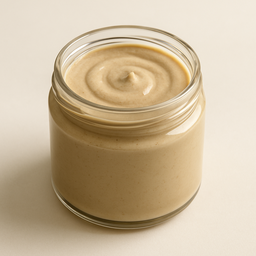 Tahini Garlic
 Hummus base with immune support
Technical: Tahini provides calcium (426mg/100g), magnesium (95mg), zinc (4.6mg) and sesamin (antioxidant lignan). Garlic contains allicin that offers bioactive action via T-cell activation. Zinc from tahini contributes to the normal function of the immune system (EFSA) — the nutritional foundation of hummus.
What does this mean for you? Make hummus with tahini and fresh garlic. The tahini gives minerals like zinc, the garlic bioactive compounds — a nutritious dip.
Immune SystemJoints
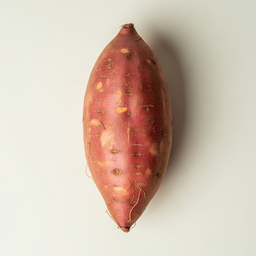 Sweet Potato Avocado
 Avocado fat for maximum beta-carotene absorption
Technical: Sweet potato contains 11509μg beta-carotene per 100g (961% RDI for vitamin A). Avocado's fats (15g/100g, 10g monounsaturated) increase beta-carotene absorption 4-6x through micelle formation. Avocado also contains vitamin E (2.1mg) that protects beta-carotene from oxidation.
What does this mean for you? Combine sweet potato with avocado in bowls, salads or as a side dish. Avocado fats are essential — without fat you lose most of the vitamin A from sweet potato.
FocusImmune System
Sweet Potato Olive Oil Essential for beta-carotene absorption
Technical: Sweet potato is the richest beta-carotene source at 11509μg/100g. Beta-carotene is converted to retinol (vitamin A) by β-carotene-15,15'-dioxygenase, but must first be absorbed via fat micelles. Olive oil increases absorption 3-5x. Without fat, conversion efficiency is only 3:1 (μg carotene:μg retinol); with fat 12:1.
What does this mean for you? Always serve sweet potato with oil or butter. Eating it 'dry' is a missed opportunity — you lose most of the vitamin A. A little fat makes a huge difference.
FocusImmune System
Black Pepper Olive Oil Fat increases piperine absorption and enhances polyphenols
Technical: Piperine is fat-soluble and absorbed 2-3x better with dietary fat. Olive oil's oleocanthal and piperine both modulate COX signal transduction through different mechanisms, providing additive bioactive effect.
What does this mean for you? Grind fresh pepper over salads with olive oil dressing. The combination enhances both pepper absorption and bioactive action.
Anti-inflammatoryHeartDigestion
Ingredients (13)
+10 more ingredientsInstructions
- 1 Preheat oven to 200°C.
- 2 Toss sweet potato and broccoli with 1 tbsp olive oil, turmeric and black pepper. Roast for 25 minutes.
Nutrition per serving
Indicative values per serving.
Timing & Suitability
Shelf life: 4 days in fridge
Tags & Diet
Allergens: Sesame