- Easy
- 55 min
- 2 serv.
- 17 synergies
- Now at its best: Tomato
Traditional Moroccan soup with split peas, chickpeas, tomatoes and a generous spoonful of ras el hanout. Richly spiced with ginger, turmeric and cinnamon — a warming bowl full of plant proteins and fiber.
There are dishes that feed you, and dishes that tell a story. Harira is the latter. The moment the ras el hanout hits the hot oil, the kitchen fills with a warm, complex aroma — cinnamon, cumin, coriander and a hint of ginger dancing together. The split peas slowly dissolve into a silky base while the chickpeas maintain their sturdy bite and tiny pasta shells soak up every drop of broth. Fresh tomatoes add a bright acidity that balances the earthy legumes. Just before serving: a squeeze of lemon juice that refreshes everything, and a shower of fresh cilantro that lifts the soup from traditional to festive. This is the soup families gather around.
- 15
- min prep
- 40
- min cook
- 55
- min total
Nutritional Synergies
This recipe combines ingredients that enhance each other:
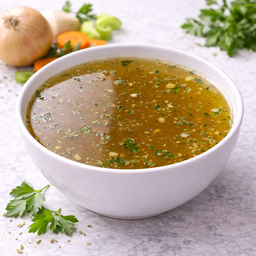 Vegetable Broth
 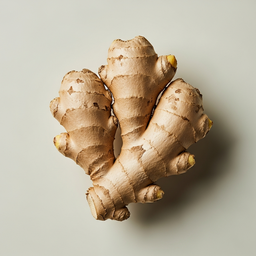 Ginger
 Warm broth + gingerols for digestion and hydration
Technical: Vegetable broth provides electrolytes (sodium 350-500mg/L, potassium 200-400mg/L) for hydration and osmotic balance. Ginger's gingerols promote gastric motility and bile production. Warm fluids accelerate gastric transit.
What does this mean for you? Vegetable broth with fresh ginger is an ideal warm drink during recovery. The electrolytes hydrate, the gingerols support digestion.
DigestionImmune System
Vegetable Broth 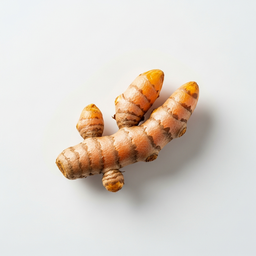 Turmeric
 Mineral-rich broth + curcumin for immune and recovery
Technical: Vegetable broth contains leached minerals (potassium, magnesium, sodium) and glutamate (umami flavor). Turmeric's curcumin (3-5%) modulates NF-kB and COX-2 signaling pathways. The warm broth increases curcumin bioavailability by improving solubility (heat + aqueous matrix). Glutamate in broth also activates T-cell receptors.
What does this mean for you? Add turmeric (plus black pepper) to vegetable broth for a powerful recovery soup. Ideal when you're feeling unwell or recovering from exertion.
Immune SystemAnti-inflammatory
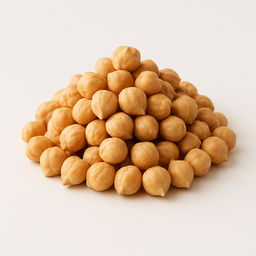 Chickpeas
 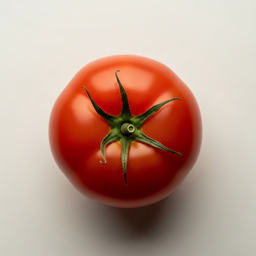 Tomato
 Tomato increases iron absorption from chickpeas
Technical: Chickpeas contain 2.9mg non-heme iron per 100g. Tomatoes provide 14mg vitamin C per 100g plus citric acid and malic acid — organic acids that also contribute to iron absorption. When heated, lycopene content in tomatoes increases (up to 4x), while vitamin C is partially lost. The organic acids remain intact and support iron absorption.
What does this mean for you? Cook chickpeas in tomato sauce — this is the basis of chana masala (India), leblebi (Tunisia) and Spanish garbanzos. The tomato sauce not only enriches the flavor but also increases iron absorption. Add lemon juice for extra boost.
Energy
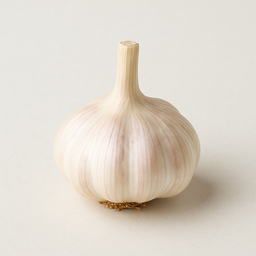 Garlic Ginger
 Allicin + gingerols: complementary bioactive action
Technical: Garlic's allicin works via thiol enzyme inhibition — effective against gram-positive bacteria (Staphylococcus, Streptococcus). Ginger's gingerols and shogaols influence viral replication and stimulate interferon production. Together they cover both bacterial and viral pathways.
What does this mean for you? Garlic-ginger tea is a classic combination. Garlic works via thiol enzymes, ginger via interferon pathways. Cut both fresh for maximum active compounds — allicin only forms after 10 minutes of air exposure.
Immune System
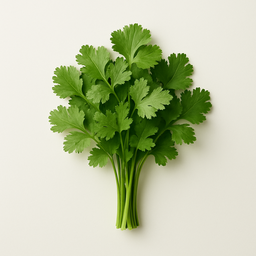 Cilantro Turmeric
 Linalool + curcumin for enhanced bioactive action
Technical: Coriander's linalool and coriander oil are studied in relation to lipoxygenase modulation. Turmeric's curcumin modulates NF-κB and COX-2 signal transduction. Together they cover more bioactive signaling pathways than each herb alone.
What does this mean for you? Use coriander and turmeric together in curries and Indian dishes — a traditional combination that is scientifically supported.
Anti-inflammatoryDigestionAntioxidants
Turmeric Ginger Enhanced bioactive action via two pathways
Technical: Turmeric and ginger belong to the same plant family (Zingiberaceae). Curcumin (turmeric) modulates NF-kB, while gingerol (ginger) modulates COX-2 and LOX (lipoxygenase). Because they target different signaling pathways, they enhance each other's bioactive action.
What does this mean for you? Turmeric + ginger in curry, soup or tea — two related spices that work bioactively via different pathways. Broader together than alone.
Anti-inflammatoryJoints
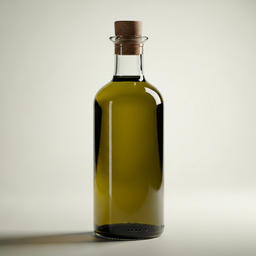 Olive Oil Garlic
 Aglio e olio: allicin + oleocanthal via complementary biochemical pathways
Technical: Garlic contains allicin (formed when cutting/crushing) that influences HMG-CoA reductase (involved in lipid metabolism). Olive oil contains oleocanthal that modulates COX-1/2 enzymes. Together they influence lipid metabolism and prostaglandin cascade via complementary biochemical pathways. The fat also helps absorb fat-soluble garlic compounds.
What does this mean for you? Gently warm garlic in olive oil (don't burn!) as the base for many dishes. This is why 'aglio e olio' pasta is so beloved — two bioactive compounds that reinforce each other.
HeartImmune System
Olive Oil Tomato Mediterranean golden rule: fat increases lycopene absorption 4x
Fat significantly increases lycopene bioavailability (PMID: 15927929)
Technical: Tomatoes contain lycopene (3-7mg per 100g), a carotenoid with strong antioxidant action. Lycopene is fat-soluble with only 10-15% absorption without fat. Olive oil increases this to 40-60% (2.5-4x improvement). Cooking further increases lycopene bioavailability.
What does this mean for you? Always add olive oil to tomato dishes — sauces, salads, bruschetta. This is why Mediterranean cuisine is so healthy. Cooked tomatoes with olive oil = maximum lycopene.
HeartSkin & Hair
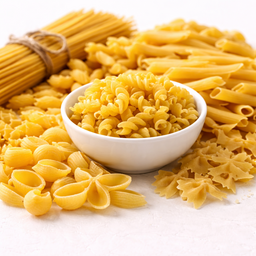 Pasta (Dried) Garlic
 Carbohydrates + allicin for bioactive support and flavor
Technical: Pasta provides slow energy from complex starch (GI 40-55 for al dente). Garlic contains alliin that when crushed/cut is converted by alliinase into allicin — a bioactive organosulfur compound. Allicin influences NK cell activity and macrophage function.
What does this mean for you? Aglio e olio (pasta with garlic and olive oil) is the simplest and most scientifically supported pasta. Crush the garlic and let it rest for 10 minutes for maximum allicin formation.
Immune SystemEnergy
Pasta (Dried) Olive Oil Retrograde starch + oleic acid lower glycemic index
Technical: Al dente cooked pasta already has a lower GI (40-55) than overcooked pasta (60-70). Olive oil's oleic acid (73%) slows gastric emptying via CCK release and the ileal brake mechanism. With cooled pasta (salad), resistant starch type 3 forms, a prebiotic. Studies show olive oil + pasta reduces postprandial glucose by 25-35% versus pasta without fat.
What does this mean for you? Cook pasta al dente and add good olive oil immediately. For cold pasta salad: cooled pasta + olive oil has the lowest blood sugar impact of all preparation methods.
Blood SugarDigestionHeart
Pasta (Dried) Tomato Carbohydrates increase lycopene absorption from tomato 2.5x
Technical: Tomatoes contain lycopene, a powerful antioxidant that is 4x better absorbed when heated. The carbohydrates in pasta increase insulin response, which improves carotenoid absorption. Additionally, olive oil (standard in pasta sauces) provides extra fat for lycopene absorption.
What does this mean for you? Pasta with tomato sauce is nutritionally smart! Cook the tomatoes at least 15 minutes for optimal lycopene availability. Always add olive oil.
HeartAnti-inflammatory
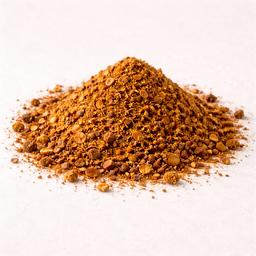 Ras el Hanout Olive Oil
 Fat increases absorption of fat-soluble spices in the mix
Technical: Ras el hanout contains up to 30 spices including turmeric (curcumin), ginger (gingerol), cinnamon (cinnamaldehyde) and nutmeg (myristicin) — all fat-soluble. Frying in olive oil extracts these bioactive compounds from the spices and dissolves them in fat, increasing bioavailability of all components.
What does this mean for you? Briefly fry ras el hanout in olive oil as the first step of your dish. The fat activates all fat-soluble spices in the mix — that's why every North African cook starts this way.
Anti-inflammatoryDigestionHeart
Ras el Hanout Tomato Spice mix stimulates gut absorption of lycopene and vitamins
Technical: Ras el hanout contains piperine (from black pepper) that inhibits P-glycoprotein and increases intestinal permeability for nutrients. Capsaicin (from chili pepper) enlarges the absorption surface via TRPV1 activation. Tomato's lycopene (3-7mg/100g) and vitamin C (14mg) are better absorbed as a result. In tagine (slow-cooked) lycopene from tomato is also thermally released, doubling bioavailability.
What does this mean for you? Moroccan tagine with tomato and ras el hanout is one of the most optimized dishes for nutrient absorption. Slow cooking maximizes extraction of active compounds from both spices and tomato.
HeartSkin & Hair
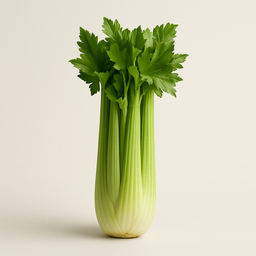 Celery Ginger
 Apigenin + gingerols: three complementary bioactive pathways
Technical: Celery contains apigenin (1.5mg/100g) and luteolin — flavonoids that modulate COX-2 and TNF-α. Ginger's 6-gingerol and 6-shogaol influence NF-κB and iNOS. Curcumin from turmeric interacts with more than 40 molecular targets. Together they work through three complementary biochemical pathways.
What does this mean for you? Celery-ginger-turmeric juice combines three ingredients each working through completely different mechanisms — a broader spectrum than each alone. Always add a pinch of black pepper to improve curcumin absorption.
Anti-inflammatoryJoints
Celery Turmeric Apigenin + gingerols: three complementary bioactive pathways
Technical: Celery contains apigenin (1.5mg/100g) and luteolin — flavonoids that modulate COX-2 and TNF-α. Ginger's 6-gingerol and 6-shogaol influence NF-κB and iNOS. Curcumin from turmeric interacts with more than 40 molecular targets. Together they work through three complementary biochemical pathways.
What does this mean for you? Celery-ginger-turmeric juice combines three ingredients each working through completely different mechanisms — a broader spectrum than each alone. Always add a pinch of black pepper to improve curcumin absorption.
Anti-inflammatoryJoints
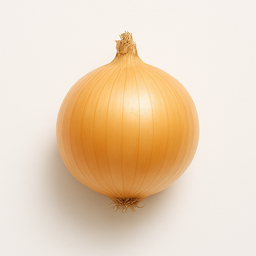 Onion Garlic
 More than 20 organosulfur compounds in one soffritto
Technical: Onion contains diallyl disulfide and quercetin (20-40mg/100g). Garlic contains allicin, ajoene and S-allylcysteine. Together they provide more than 20 different organosulfur compounds that modulate NF-κB. Allium crops are intensively studied in nutrition science for their unique sulfur chemistry.
What does this mean for you? Start every dish with sautéed onion and garlic — not just for flavor, but for the unique concentration of organosulfur compounds. Cut garlic 10 minutes before heating to allow allicin formation.
DigestionImmune System
Onion Tomato Quercetin + lycopene: synergistic polyphenol-carotenoid combination
Technical: Quercetin from onion (20-40mg/100g) and lycopene from tomato (2573μg/100g) work through different mechanisms. Quercetin chelates metal ions and modulates lipid peroxidation, lycopene quenches singlet oxygen. Combined polyphenols and carotenoids work synergistically — the combination works through complementary mechanisms.
What does this mean for you? Tomato sauce with onion is the base of nearly every Mediterranean cuisine — and rightly so. Quercetin and lycopene enhance each other's action through complementary biochemical pathways. Cooking in olive oil makes carotenoids more absorbable.
HeartAnti-inflammatory
Ingredients (15)
+12 more ingredients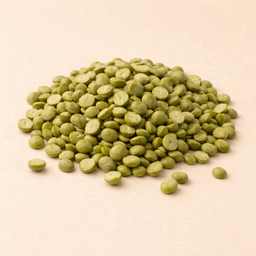
Instructions
- 1 Heat the olive oil in a large soup pot over medium heat. Sauté the onion and celery for 3 minutes, then add the garlic and ginger and cook for another 2 minutes until fragrant.
- 2 Add the ras el hanout, turmeric and cinnamon. Stir for 1 minute until the spices are activated and the mixture is deeply colored.
Nutrition per serving
Indicative values per serving.
Timing & Suitability
Shelf life: 4 days in fridge
Tags & Diet
Allergens: Gluten