- Easy
- 45 min
- 2 serv.
- 14 synergies
- Now at its best: Spinach
A full, creamy Maafe soup with natural peanut butter, sweet potato, tomato, ginger and spinach. The base is savoury and gently spiced, with soft sweetness from the sweet potato and a warm touch of cayenne.
Maafe is comfort food with depth: soft, creamy and still spiced enough to stay interesting. Onion, garlic and ginger first build a warm base, then tomato and passata slowly become sweeter and fuller in the pan. The sweet potato cooks until almost falling apart, naturally thickening the soup. Only then does the peanut butter go in, stirred gently until the broth turns into a velvety, nutty sauce. Spinach is added right at the end, keeping the bowl green and fresh among all those deep, warm flavours.
- 15
- min prep
- 30
- min cook
- 45
- min total
Nutritional Synergies
This recipe combines ingredients that enhance each other:
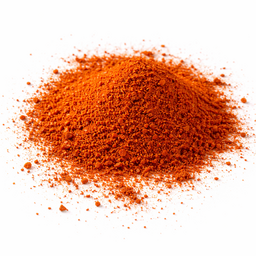 Cayenne pepper
 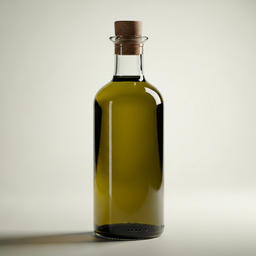 Olive oil
 Fat-soluble capsaicin is better absorbed with olive oil
Technical: Capsaicin is fat-soluble and absorbed 2-3x better with dietary fat. Olive oil also reduces stomach irritation that cayenne can cause, while oleocanthal adds bioactive action.
What does this mean for you? Add cayenne pepper to olive oil-based sauces or dressings. The fat improves absorption and the oil tempers the spiciness.
Weight LossAnti-inflammatoryHeart
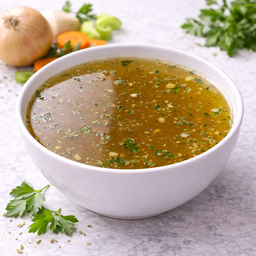 Low-salt vegetable broth
 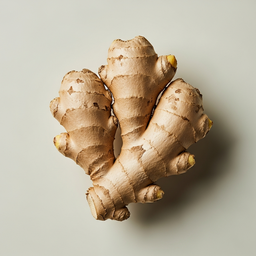 Fresh ginger
 Warm broth + gingerols for digestion and hydration
Technical: Vegetable broth provides electrolytes (sodium 350-500mg/L, potassium 200-400mg/L) for hydration and osmotic balance. Ginger's gingerols promote gastric motility and bile production. Warm fluids accelerate gastric transit.
What does this mean for you? Vegetable broth with fresh ginger is an ideal warm drink during recovery. The electrolytes hydrate, the gingerols support digestion.
DigestionImmune System
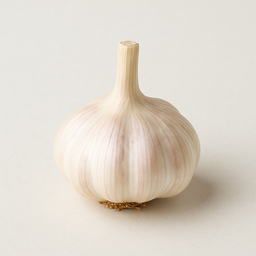 Garlic Fresh ginger
 Allicin + gingerols: complementary bioactive action
Technical: Garlic's allicin works via thiol enzyme inhibition — effective against gram-positive bacteria (Staphylococcus, Streptococcus). Ginger's gingerols and shogaols influence viral replication and stimulate interferon production. Together they cover both bacterial and viral pathways.
What does this mean for you? Garlic-ginger tea is a classic combination. Garlic works via thiol enzymes, ginger via interferon pathways. Cut both fresh for maximum active compounds — allicin only forms after 10 minutes of air exposure.
Immune System
Olive oil Garlic Aglio e olio: allicin + oleocanthal via complementary biochemical pathways
Technical: Garlic contains allicin (formed when cutting/crushing) that influences HMG-CoA reductase (involved in lipid metabolism). Olive oil contains oleocanthal that modulates COX-1/2 enzymes. Together they influence lipid metabolism and prostaglandin cascade via complementary biochemical pathways. The fat also helps absorb fat-soluble garlic compounds.
What does this mean for you? Gently warm garlic in olive oil (don't burn!) as the base for many dishes. This is why 'aglio e olio' pasta is so beloved — two bioactive compounds that reinforce each other.
HeartImmune System
Olive oil 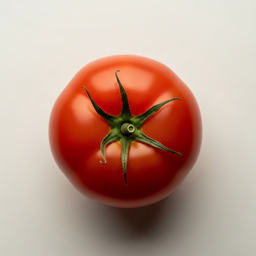 Tomato
 Mediterranean golden rule: fat increases lycopene absorption 4x
Fat significantly increases lycopene bioavailability (PMID: 15927929)
Technical: Tomatoes contain lycopene (3-7mg per 100g), a carotenoid with strong antioxidant action. Lycopene is fat-soluble with only 10-15% absorption without fat. Olive oil increases this to 40-60% (2.5-4x improvement). Cooking further increases lycopene bioavailability.
What does this mean for you? Always add olive oil to tomato dishes — sauces, salads, bruschetta. This is why Mediterranean cuisine is so healthy. Cooked tomatoes with olive oil = maximum lycopene.
HeartSkin & Hair
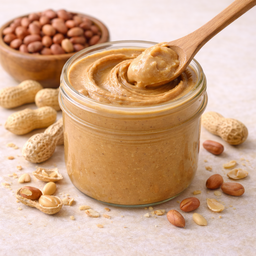 Natural peanut butter
 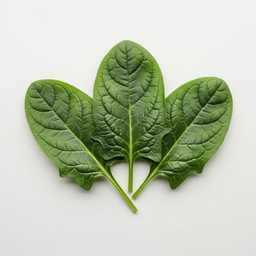 Fresh spinach
 Fat from nut butter increases carotenoid absorption by 3-6x
Technical: Carotenoids (beta-carotene, lutein, lycopene) in vegetables are fat-soluble and poorly absorbed without fat (5-10%). Nut butters contain 50-60g fat per 100g. Just 3-5g fat (1 tablespoon nut butter) increases carotenoid absorption to 30-60% — a 3-6x improvement. This applies to carrot, bell pepper, spinach and other colorful vegetables.
What does this mean for you? Dip veggie sticks in peanut butter or almond butter. The fat from the nut butter ensures your body absorbs 3-6x more vitamins from the vegetables.
Immune SystemSkin & HairGeneral Wellness
Fresh spinach Olive oil Makes fat-soluble vitamins and antioxidants available
Technical: Spinach contains 483μg vitamin K (403% RDI), 5626μg beta-carotene, 2mg vitamin E and 12.2mg lutein — all fat-soluble. Without fat only 5-10% is absorbed. Olive oil's monounsaturated fats (73% oleic acid) form micelles that increase absorption 2-5x.
What does this mean for you? Always eat spinach with olive oil or another fat source. Without fat you waste most of spinach's impressive vitamin profile. A drizzle of olive oil is essential for proper absorption.
Skin & HairJoints
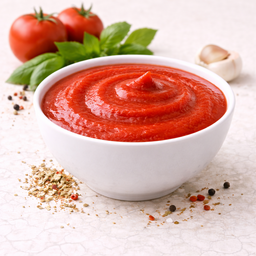 Tomato passata Olive oil
 Heated + fats = 5x more lycopene absorption
Technical: Tomato passata is already heated, releasing lycopene from cell walls in cis-form (better absorbable than trans-lycopene in raw tomato). Olive oil fats create micelles transporting this released lycopene through the gut wall. Basil adds eugenol (COX-2 inhibitor). Absorption increases up to 5x.
What does this mean for you? Make pasta sauce with tomato passata, olive oil and basil. You absorb up to 5x more lycopene than from raw tomato — great for your heart and skin.
HeartSkin & Hair
Tomato passata  Yellow onion
 Lycopene + quercetin for broad-spectrum antioxidant protection
Technical: Tomato passata contains bioavailable lycopene (12-15mg/100g) from the cooking process. Onion's quercetin (20mg/100g) is a flavonoid that works complementarily to lycopene: lycopene neutralizes singlet oxygen (lipid phase), quercetin scavenges hydroxyl radicals and superoxide (aqueous phase). Together they cover the complete antioxidant spectrum. Onion's sulfur compounds also support Phase II biotransformation enzymes that process lycopene metabolites.
What does this mean for you? Passata with sauteed onion is the base of Italian cuisine (sugo). It's a top antioxidant duo you can eat daily — simple, affordable and effective.
HeartSkin & HairAnti-inflammatory
Yellow onion Garlic More than 20 organosulfur compounds in one soffritto
Technical: Onion contains diallyl disulfide and quercetin (20-40mg/100g). Garlic contains allicin, ajoene and S-allylcysteine. Together they provide more than 20 different organosulfur compounds that modulate NF-κB. Allium crops are intensively studied in nutrition science for their unique sulfur chemistry.
What does this mean for you? Start every dish with sautéed onion and garlic — not just for flavor, but for the unique concentration of organosulfur compounds. Cut garlic 10 minutes before heating to allow allicin formation.
DigestionImmune System
Yellow onion Tomato Quercetin + lycopene: synergistic polyphenol-carotenoid combination
Technical: Quercetin from onion (20-40mg/100g) and lycopene from tomato (2573μg/100g) work through different mechanisms. Quercetin chelates metal ions and modulates lipid peroxidation, lycopene quenches singlet oxygen. Combined polyphenols and carotenoids work synergistically — the combination works through complementary mechanisms.
What does this mean for you? Tomato sauce with onion is the base of nearly every Mediterranean cuisine — and rightly so. Quercetin and lycopene enhance each other's action through complementary biochemical pathways. Cooking in olive oil makes carotenoids more absorbable.
HeartAnti-inflammatory
 Sea salt Tomato
 Minerals improve flavor perception and electrolyte balance
Technical: Sea salt contains trace minerals (magnesium, potassium, calcium) besides sodium. Tomato is rich in potassium (237mg/100g) and lycopene. Avocado adds magnesium (29mg) and potassium (485mg). Together they form a broad electrolyte profile: sodium (salt) + potassium (tomato/avocado) + magnesium (avocado) — essential for fluid balance and nerve function.
What does this mean for you? Sprinkle tomato and avocado with a pinch of sea salt. This is more than flavor — the minerals complement each other for a complete electrolyte balance.
HeartEnergy
Sea salt Olive oil Minerals + polyphenols for cellular balance
Technical: Sea salt's sodium is essential for the sodium-potassium pump (Na+/K+-ATPase) that regulates every body cell. Olive oil's oleuropein and hydroxytyrosol provide antioxidant protection for cell membranes. The combination supports cell integrity: sea salt regulates ion balance, olive oil protects the membrane. In Mediterranean cuisine, coarse sea salt + olive oil is the most basic flavor profile.
What does this mean for you? Freshly ground sea salt with extra virgin olive oil is the simplest and most nutritious finishing of any dish. The combination provides the basic needs of your cells: minerals for function, polyphenols for protection.
HeartGeneral Wellness
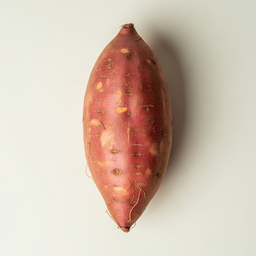 Sweet potato Olive oil
 Essential for beta-carotene absorption
Technical: Sweet potato is the richest beta-carotene source at 11509μg/100g. Beta-carotene is converted to retinol (vitamin A) by β-carotene-15,15'-dioxygenase, but must first be absorbed via fat micelles. Olive oil increases absorption 3-5x. Without fat, conversion efficiency is only 3:1 (μg carotene:μg retinol); with fat 12:1.
What does this mean for you? Always serve sweet potato with oil or butter. Eating it 'dry' is a missed opportunity — you lose most of the vitamin A. A little fat makes a huge difference.
FocusImmune System
Ingredients (12)
- Natural peanut butter — 60 g 100% peanuts, without added sugar or oil
- Sweet potato — 200 g peeled and cut into small cubes
- Fresh spinach — 100 g
Instructions
- 1 Heat the olive oil in a soup pot over medium heat. Sauté the onion for 3 minutes until translucent.
- 2 Add the garlic, ginger and cayenne pepper and cook for 1 minute until the base smells fragrant.
Nutrition per serving
Indicative values per serving.
Timing & Suitability
Shelf life: 3 days in fridge
Tags & Diet
Allergens: Peanuts