- Easy
- 15 min
- 2 serv.
- 18 synergies
- Now at its best: Spinach
Salad of chickpeas marinated in turmeric and cumin, on a bed of fresh spinach with red onion and a lemon dressing. Flaxseed adds a nutty crunch.
Few things are as satisfying as a plate full of color that you put on the table in fifteen minutes. This salad is one of them.
The base is simple: canned chickpeas, rinsed and patted dry. You toss them with olive oil, turmeric and cumin — the turmeric turns everything golden yellow, the cumin adds that warm, earthy undertone. A pinch of black pepper, always, because it draws everything out of the turmeric.
Underneath a bed of fresh spinach, dark green and still firm. Red onion in thin half-rings for bite. A dressing of nothing more than lemon juice, garlic and a pinch of salt.
And then the flaxseed. You sprinkle it on last — those small nutty kernels that give a subtle crunch with every bite.
No pans. No oven. Fifteen minutes. Sometimes the simplest version is the best.
- 15
- min prep
- 0
- min cook
- 15
- min total
Nutritional Synergies
This recipe combines ingredients that enhance each other:
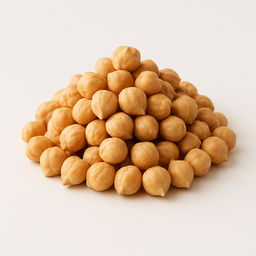 Chickpeas
 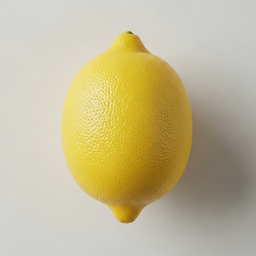 Lemon
Lemon Lemon juice increases iron absorption from chickpeas
Technical: Chickpeas contain 2.9mg non-heme iron per 100g (cooked) and 12.2g protein. Phytic acid in chickpeas (240mg per 100g) strongly inhibits iron absorption. Lemon juice (53mg vitamin C per 100g) reduces Fe³⁺ to Fe²⁺ and forms soluble chelates that bypass the phytate blockade. Studies show up to 600% higher iron absorption.
What does this mean for you? Squeeze lemon juice over your hummus or chickpea salad — not just for flavor but also for iron absorption. It's no coincidence that authentic hummus always contains lemon juice — it's nutritional science disguised as tradition.
Energy
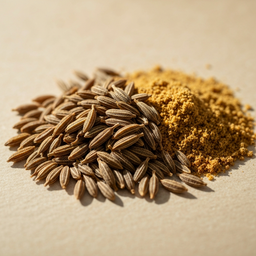 Cumin
Cumin 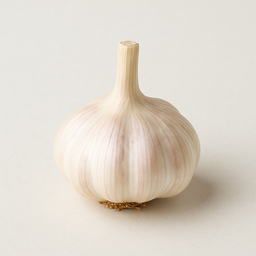 Garlic
 Double digestive support: enzymes + bioactive compounds
Technical: Cumin promotes digestive enzyme activity (amylase, lipase, protease) and increases bile flow. Garlic's allicin has broad bioactivity targeting pathogenic gut bacteria while sparing beneficial ones.
What does this mean for you? Fry garlic and cumin together as base for curries, soups and stews. Classic combination in virtually every cuisine in the world.
DigestionImmune System
Cumin 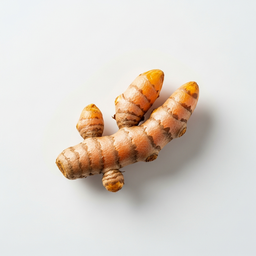 Turmeric
 Classic curry base with enhanced digestion
Technical: Cumin promotes production of digestive enzymes (amylase, lipase, protease) and increases bile flow. Turmeric's curcumin modulates NF-κB and COX-2 signal transduction and supports hepatobiliary activity via bile stimulation. Together they provide enhanced digestion + bioactive action.
What does this mean for you? Cumin + turmeric is the base of every curry. The cumin promotes your digestion, the turmeric adds bioactive action — the perfect combination for a nutritious curry.
DigestionAnti-inflammatory
Cumin 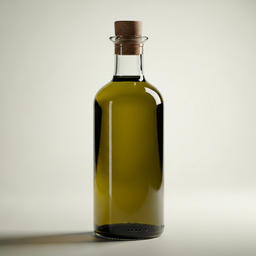 Olive Oil
 Fat activates volatile oils and increases cuminaldehyde absorption
Technical: Cumin's active compounds (cuminaldehyde, cymene, terpinene) are volatile, fat-soluble compounds. Frying in olive oil extracts and stabilizes these compounds, and the fat improves their gut absorption.
What does this mean for you? Briefly fry cumin in olive oil before adding other ingredients (tadka/tempering). This is why Indian and Middle Eastern cuisines always fry cumin in oil.
DigestionAnti-inflammatoryBlood Sugar
Cumin 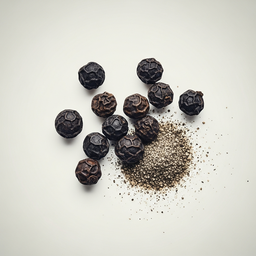 Black Pepper
 Piperine increases absorption of cumin's active compounds 2-3x
Technical: Cumin contains cuminaldehyde and thymoquinone with digestive-promoting and bioactive properties. Piperine from black pepper inhibits CYP3A4 enzymes, reducing breakdown and improving absorption 2-3x.
What does this mean for you? Always add black pepper to dishes with cumin. This is why many spice blends (garam masala, ras el hanout) contain both.
DigestionAnti-inflammatory
Turmeric Black Pepper Increases curcumin absorption by 2000%
Technical: Curcumin from turmeric has bioavailability below 1% due to rapid glucuronidation in the liver. Piperine from black pepper inhibits UGT (UDP-glucuronosyltransferase) and CYP3A4, preventing curcumin breakdown. This increases bioavailability by 2000% (20x). Use ratio ¼ teaspoon pepper to 1 teaspoon turmeric.
What does this mean for you? ALWAYS add black pepper when using turmeric. Without pepper your body absorbs virtually nothing — with pepper 20x more. This is the most important food synergy there is.
Anti-inflammatoryJointsFocus
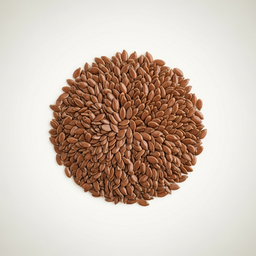 Flaxseed Olive Oil
 ALA omega-3 + oleic acid: complementary fatty acids for heart and brain
Technical: Flaxseed contains 23g ALA (omega-3) per 100g. Olive oil contains 73% oleic acid (omega-9) with proven cardiovascular benefits. ALA is partly converted to EPA/DHA, while oleic acid lowers LDL. Together they offer complementary lipid modulation.
What does this mean for you? Add ground flaxseed to salads with olive oil dressing, or mix into pesto. Two fatty acid sources that protect your heart through different routes.
HeartFocusAnti-inflammatory
Olive Oil Lemon Oleic acid + citric acid: complementary pathways for glycemic response
Technical: Lemon contains citric acid that slows gastric emptying, causing carbohydrates from the meal to be absorbed more slowly. Olive oil's fats reinforce this effect by further influencing glycemic response. Together they influence the postprandial glucose response via two complementary mechanisms. Olive oil's oleocanthal and lemon's vitamin C additionally provide complementary antioxidant action.
What does this mean for you? A simple dressing of olive oil and lemon juice over your salad is one of the smartest combinations you can make. The two mechanisms (delayed gastric emptying + fat slowing) work together to influence the glucose response after your meal.
EnergyDigestion
Olive Oil Garlic Aglio e olio: allicin + oleocanthal via complementary biochemical pathways
Technical: Garlic contains allicin (formed when cutting/crushing) that influences HMG-CoA reductase (involved in lipid metabolism). Olive oil contains oleocanthal that modulates COX-1/2 enzymes. Together they influence lipid metabolism and prostaglandin cascade via complementary biochemical pathways. The fat also helps absorb fat-soluble garlic compounds.
What does this mean for you? Gently warm garlic in olive oil (don't burn!) as the base for many dishes. This is why 'aglio e olio' pasta is so beloved — two bioactive compounds that reinforce each other.
HeartImmune System
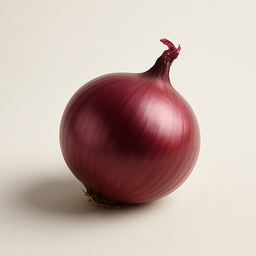 Red Onion Lemon
 Vitamin C protects quercetin from oxidative degradation
Technical: Quercetin in red onion (32-65mg/100g) oxidizes rapidly when exposed to light, heat and oxygen. Ascorbic acid (vitamin C, 53mg/100g in lemon) regenerates oxidized quercetin back to its active form via electron transfer. This extends quercetin's half-life in food and in the body.
What does this mean for you? Red onion in salad with lemon dressing retains more active quercetin than without lemon. Vitamin C keeps this widely-studied flavonoid intact longer — a simple kitchen trick with scientific basis.
Anti-inflammatoryImmune System
Red Onion Olive Oil Fat increases bioavailability of quercetin from red onion
Technical: Red onion contains 32-65mg quercetin per 100g — the richest food source. Quercetin is poorly water-soluble (2μg/mL) but dissolves well in fats. Olive oil increases quercetin oral bioavailability by 50-70% through lipid-based lymphatic transport instead of the portal vein.
What does this mean for you? Sauté red onion in olive oil (soffritto) for maximum quercetin absorption. Oil dissolves quercetin and improves transport to your bloodstream. Caramelizing also enhances flavor.
Anti-inflammatoryHeart
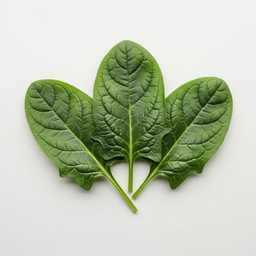 Spinach Lemon
 Increases iron absorption up to 300% by breaking oxalate binding
Technical: Spinach contains 2.7mg non-heme iron per 100g, but also 970mg oxalic acid that binds iron into insoluble calcium oxalate. Vitamin C (53mg/100g in lemon) reduces Fe³⁺ to Fe²⁺ (ferroreduction) and forms soluble iron-ascorbate complexes that break oxalate binding. Iron absorption rises from 2% to 6-12%.
What does this mean for you? Always squeeze lemon over spinach — this is the 'Popeye hack'. Vitamin C breaks the oxalate trap blocking iron absorption. Without lemon you barely absorb any iron from spinach.
Energy
Spinach Flaxseed ALA omega-3 + iron and folate: essential nutrients
Technical: Spinach provides iron (2.7mg/100g) — iron contributes to normal cognitive function (EFSA-approved) — and folate (194μg/100g). Flaxseed contains 23g ALA omega-3 per 100g supporting neuronal membranes. Omega-3 fatty acids also modulate gut permeability which can influence iron absorption.
What does this mean for you? Add ground flaxseed to spinach smoothies or salads. Iron contributes to normal cognitive function, ALA omega-3 is essential for cell membranes. Use ground flaxseed — whole seeds pass through undigested.
FocusEnergyHeart
Spinach Olive Oil Makes fat-soluble vitamins and antioxidants available
Technical: Spinach contains 483μg vitamin K (403% RDI), 5626μg beta-carotene, 2mg vitamin E and 12.2mg lutein — all fat-soluble. Without fat only 5-10% is absorbed. Olive oil's monounsaturated fats (73% oleic acid) form micelles that increase absorption 2-5x.
What does this mean for you? Always eat spinach with olive oil or another fat source. Without fat you waste most of spinach's impressive vitamin profile. A drizzle of olive oil is essential for proper absorption.
Skin & HairJoints
Spinach Black Pepper Increases beta-carotene absorption from vegetables
Technical: Spinach contains 5626μg beta-carotene per 100g. Piperine from black pepper (5-9% by weight) inhibits glucuronidation in the gut, keeping beta-carotene in its active form longer. Piperine also increases intestinal epithelium permeability via vanilloid receptor activation.
What does this mean for you? Grind fresh black pepper over spinach. Piperine slows beta-carotene breakdown in your gut so you absorb more. Combine with olive oil for the maximum triple effect.
Immune SystemSkin & Hair
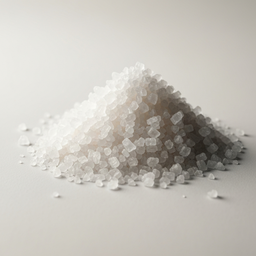 Sea Salt Lemon
 Trace minerals + vitamin C for electrolytes and immune system
Technical: Unrefined sea salt contains 80+ trace elements (magnesium 0.5%, potassium 0.4%, calcium 0.1%, plus iodine, zinc, selenium in trace amounts) alongside sodium. Lemon's vitamin C improves absorption of non-heme iron and zinc from sea salt. Sodium + potassium together regulate cellular osmosis. Vitamin C is also essential for collagen synthesis where sea salt minerals serve as cofactors.
What does this mean for you? A glass of warm water with a pinch of unrefined sea salt and lemon juice in the morning is an effective hydration ritual. The minerals + vitamin C start your day with good electrolyte balance.
EnergyImmune System
Sea Salt Olive Oil Minerals + polyphenols for cellular balance
Technical: Sea salt's sodium is essential for the sodium-potassium pump (Na+/K+-ATPase) that regulates every body cell. Olive oil's oleuropein and hydroxytyrosol provide antioxidant protection for cell membranes. The combination supports cell integrity: sea salt regulates ion balance, olive oil protects the membrane. In Mediterranean cuisine, coarse sea salt + olive oil is the most basic flavor profile.
What does this mean for you? Freshly ground sea salt with extra virgin olive oil is the simplest and most nutritious finishing of any dish. The combination provides the basic needs of your cells: minerals for function, polyphenols for protection.
HeartGeneral Wellness
Black Pepper Olive Oil Fat increases piperine absorption and enhances polyphenols
Technical: Piperine is fat-soluble and absorbed 2-3x better with dietary fat. Olive oil's oleocanthal and piperine both modulate COX signal transduction through different mechanisms, providing additive bioactive effect.
What does this mean for you? Grind fresh pepper over salads with olive oil dressing. The combination enhances both pepper absorption and bioactive action.
Anti-inflammatoryHeartDigestion
Ingredients (11)
+8 more ingredientsInstructions
- 1 Rinse the chickpeas under cold water and pat dry with kitchen paper.
- 2 Toss the chickpeas in a bowl with the olive oil, turmeric, cumin and black pepper until evenly coated.
Nutrition per serving
Indicative values per serving.
Timing & Suitability
Shelf life: 1 days in fridge