- Easy
- 40 min
- 2 serv.
- 13 synergies
- Now at its best: Onion
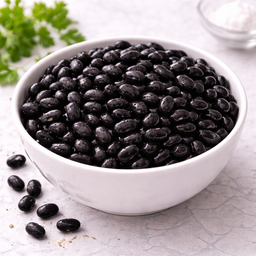
Thick, smoky chili where cubes of sweet potato half-collapse and the black beans stay just firm enough to push back. The tomato passata binds everything into a deep red sauce, and the half avocado on top brings coolness where the cayenne brings fire. A squeeze of lime as the finishing touch.
Two ingredients carry this dish: the sweet potato and the black beans. You cut the sweet potato into chunky cubes and let them simmer straight in the passata — after twenty minutes the edges are soft and the core still just firm, exactly the moment you stop. The black beans go in later so they don't fall apart. Meanwhile the cumin does its work: that warm, almost nutty aroma that rises the moment the powder hits the hot oil. The cayenne is subtle, just enough to make your lips tingle without overpowering. And then the avocado — not cooked along but laid cold in slices on the steaming chili. That temperature jump is the whole point: hot, spicy, creamy, cool. Squeeze half a lime over it and you need nothing more.
- 10
- min prep
- 30
- min cook
- 40
- min total
Nutritional Synergies
This recipe combines ingredients that enhance each other:
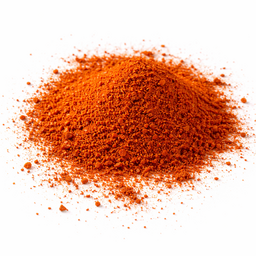 Cayenne Pepper
 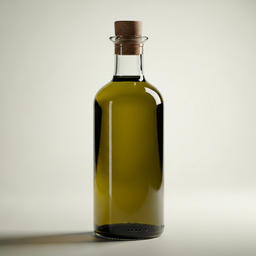 Olive Oil
 Fat-soluble capsaicin is better absorbed with olive oil
Technical: Capsaicin is fat-soluble and absorbed 2-3x better with dietary fat. Olive oil also reduces stomach irritation that cayenne can cause, while oleocanthal adds bioactive action.
What does this mean for you? Add cayenne pepper to olive oil-based sauces or dressings. The fat improves absorption and the oil tempers the spiciness.
Weight LossAnti-inflammatoryHeart
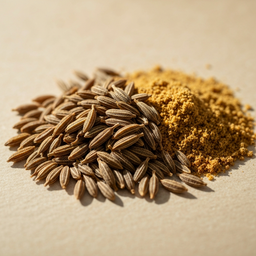 Cumin
Cumin 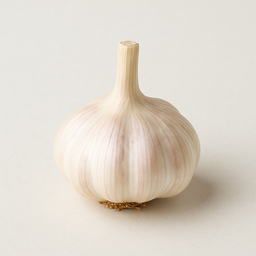 Garlic
 Double digestive support: enzymes + bioactive compounds
Technical: Cumin promotes digestive enzyme activity (amylase, lipase, protease) and increases bile flow. Garlic's allicin has broad bioactivity targeting pathogenic gut bacteria while sparing beneficial ones.
What does this mean for you? Fry garlic and cumin together as base for curries, soups and stews. Classic combination in virtually every cuisine in the world.
DigestionImmune System
Cumin Olive Oil Fat activates volatile oils and increases cuminaldehyde absorption
Technical: Cumin's active compounds (cuminaldehyde, cymene, terpinene) are volatile, fat-soluble compounds. Frying in olive oil extracts and stabilizes these compounds, and the fat improves their gut absorption.
What does this mean for you? Briefly fry cumin in olive oil before adding other ingredients (tadka/tempering). This is why Indian and Middle Eastern cuisines always fry cumin in oil.
DigestionAnti-inflammatoryBlood Sugar
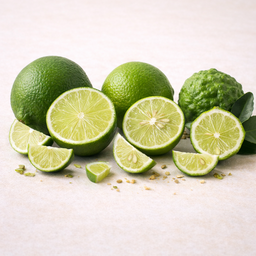 Lime
Lime 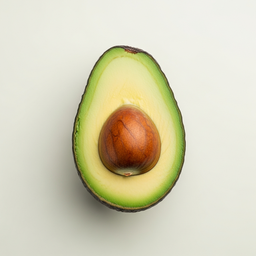 Avocado
 Lime juice prevents oxidation of avocado
Technical: Avocado's high unsaturated fat content (oleic acid, 10g per 100g) makes it vulnerable to oxidation upon air exposure. Polyphenol oxidase (PPO) oxidizes phenolic compounds into brown melanins. Lime's vitamin C (29mg per 100g) and citric acid work as double protection: vitamin C reduces quinones back, citric acid lowers pH below PPO optimum (pH 5-7), inhibiting the enzyme.
What does this mean for you? Squeeze lime over your avocado in poke bowls, guacamole or salads. The classic Mexican combination protects both color and nutritional value. Lime works slightly milder than lemon but equally effective.
HeartSkin & HairAntioxidants
Lime Olive Oil Vitamin C + olive oil fats for iron absorption and antioxidant action
Technical: Lime's vitamin C (ascorbic acid) improves absorption of non-heme iron from plant sources. Olive oil's fat-soluble polyphenols (hydroxytyrosol) are better absorbed in combination with vitamin C, which acts as an antioxidant keeping the polyphenols stable.
What does this mean for you? Lime-olive oil dressing is a classic combination that helps your body absorb more iron and antioxidants from your salad.
Immune SystemEnergySkin & Hair
Olive Oil Garlic Aglio e olio: allicin + oleocanthal via complementary biochemical pathways
Technical: Garlic contains allicin (formed when cutting/crushing) that influences HMG-CoA reductase (involved in lipid metabolism). Olive oil contains oleocanthal that modulates COX-1/2 enzymes. Together they influence lipid metabolism and prostaglandin cascade via complementary biochemical pathways. The fat also helps absorb fat-soluble garlic compounds.
What does this mean for you? Gently warm garlic in olive oil (don't burn!) as the base for many dishes. This is why 'aglio e olio' pasta is so beloved — two bioactive compounds that reinforce each other.
HeartImmune System
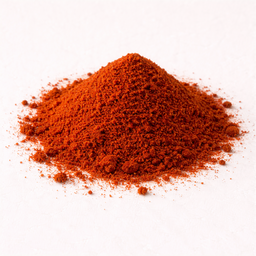 Paprika powder (sweet) Olive Oil
 3x better carotenoid absorption with fats
Technical: Paprika powder is extremely rich in carotenoids: beta-carotene, capsanthin and cryptoxanthin. These are all fat-soluble with only 5-10% absorption without fat. Olive oil or butter create micelles increasing absorption up to 3x. Additionally, vitamin E from olive oil protects carotenoids from oxidation.
What does this mean for you? Always briefly fry paprika powder in oil or butter before adding liquid. This activates the color and increases vitamin absorption up to 3x — the basis of Hungarian goulash.
Skin & HairImmune System
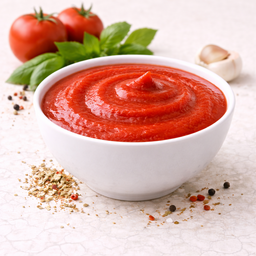 Tomato Passata Olive Oil
 Heated + fats = 5x more lycopene absorption
Technical: Tomato passata is already heated, releasing lycopene from cell walls in cis-form (better absorbable than trans-lycopene in raw tomato). Olive oil fats create micelles transporting this released lycopene through the gut wall. Basil adds eugenol (COX-2 inhibitor). Absorption increases up to 5x.
What does this mean for you? Make pasta sauce with tomato passata, olive oil and basil. You absorb up to 5x more lycopene than from raw tomato — great for your heart and skin.
HeartSkin & Hair
Tomato Passata Paprika powder (sweet) Double carotenoids: lycopene + capsanthin for antioxidant power
Technical: Tomato passata is concentrated lycopene (cooked tomatoes contain 2-3x more bioavailable lycopene). Paprika powder contains capsanthin and beta-carotene. Together they form a broad spectrum of carotenoids with synergistic antioxidant action.
What does this mean for you? Add paprika to tomato sauces - this is why Hungarian goulash and Spanish dishes are so colorful and healthy.
HeartSkin & HairImmune System
Tomato Passata 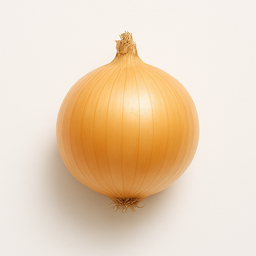 Onion
Onion Lycopene + quercetin for broad-spectrum antioxidant protection
Technical: Tomato passata contains bioavailable lycopene (12-15mg/100g) from the cooking process. Onion's quercetin (20mg/100g) is a flavonoid that works complementarily to lycopene: lycopene neutralizes singlet oxygen (lipid phase), quercetin scavenges hydroxyl radicals and superoxide (aqueous phase). Together they cover the complete antioxidant spectrum. Onion's sulfur compounds also support Phase II biotransformation enzymes that process lycopene metabolites.
What does this mean for you? Passata with sauteed onion is the base of Italian cuisine (sugo). It's a top antioxidant duo you can eat daily — simple, affordable and effective.
HeartSkin & HairAnti-inflammatory
Onion Garlic More than 20 organosulfur compounds in one soffritto
Technical: Onion contains diallyl disulfide and quercetin (20-40mg/100g). Garlic contains allicin, ajoene and S-allylcysteine. Together they provide more than 20 different organosulfur compounds that modulate NF-κB. Allium crops are intensively studied in nutrition science for their unique sulfur chemistry.
What does this mean for you? Start every dish with sautéed onion and garlic — not just for flavor, but for the unique concentration of organosulfur compounds. Cut garlic 10 minutes before heating to allow allicin formation.
DigestionImmune System
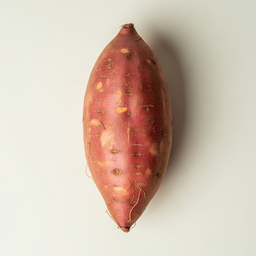 Sweet Potato Avocado
 Avocado fat for maximum beta-carotene absorption
Technical: Sweet potato contains 11509μg beta-carotene per 100g (961% RDI for vitamin A). Avocado's fats (15g/100g, 10g monounsaturated) increase beta-carotene absorption 4-6x through micelle formation. Avocado also contains vitamin E (2.1mg) that protects beta-carotene from oxidation.
What does this mean for you? Combine sweet potato with avocado in bowls, salads or as a side dish. Avocado fats are essential — without fat you lose most of the vitamin A from sweet potato.
FocusImmune System
Sweet Potato Olive Oil Essential for beta-carotene absorption
Technical: Sweet potato is the richest beta-carotene source at 11509μg/100g. Beta-carotene is converted to retinol (vitamin A) by β-carotene-15,15'-dioxygenase, but must first be absorbed via fat micelles. Olive oil increases absorption 3-5x. Without fat, conversion efficiency is only 3:1 (μg carotene:μg retinol); with fat 12:1.
What does this mean for you? Always serve sweet potato with oil or butter. Eating it 'dry' is a missed opportunity — you lose most of the vitamin A. A little fat makes a huge difference.
FocusImmune System
Instructions
- 1 Heat the olive oil in a large pan over medium-high heat. Dice the onion and sauté for 3 minutes until translucent.
Nutrition per serving
Indicative values per serving.
Timing & Suitability
Shelf life: 3 days in fridge