- Easy
- 30 min
- 2 serv.
- 8 synergies
- Now at its best: Garlic
Tender white fish in a golden coconut-tomato sauce with turmeric, ginger and garlic. Served with rice — a mild curry that's on the table within 30 minutes.
The coconut milk and tomato passata melt together into a silky sauce with a warm golden colour from the turmeric. The fish falls into soft flakes as soon as you touch it with your fork. Ginger adds a subtle sharpness that balances the sweet coconut, and black pepper brings a barely noticeable warmth in the background. With a scoop of steaming rice alongside — comfort in a bowl.
- 10
- min prep
- 20
- min cook
- 30
- min total
Nutritional Synergies
This recipe combines ingredients that enhance each other:
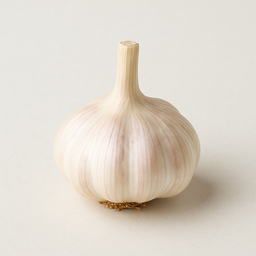 Garlic
 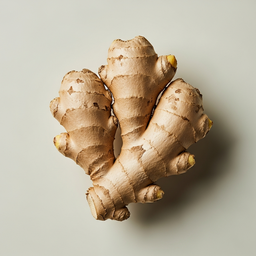 Ginger
 Allicin + gingerols: complementary bioactive action
Technical: Garlic's allicin works via thiol enzyme inhibition — effective against gram-positive bacteria (Staphylococcus, Streptococcus). Ginger's gingerols and shogaols influence viral replication and stimulate interferon production. Together they cover both bacterial and viral pathways.
What does this mean for you? Garlic-ginger tea is a classic combination. Garlic works via thiol enzymes, ginger via interferon pathways. Cut both fresh for maximum active compounds — allicin only forms after 10 minutes of air exposure.
Immune System
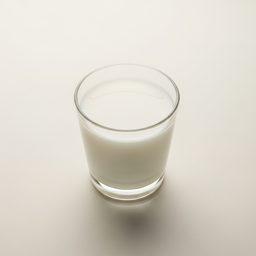 Coconut Milk
 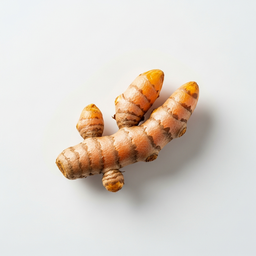 Turmeric
 Golden Milk base - optimal curcumin absorption
Technical: Curcumin from turmeric is fat-soluble with bioavailability below 1% without fat. Coconut milk contains lauric acid and other MCTs that dissolve curcumin and significantly increase gut absorption. MCTs are also rapidly absorbed, efficiently transporting curcumin. This is the principle behind traditional Golden Milk.
What does this mean for you? Make golden milk with coconut milk as base — the coconut fat ensures your body actually absorbs the curcumin. Always add a pinch of black pepper for maximum effect.
Anti-inflammatoryJoints
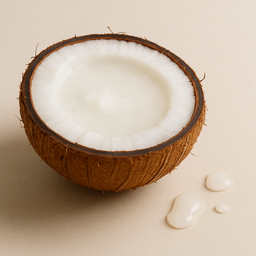 Coconut Oil Turmeric
 Improves absorption because curcumin is fat-soluble
Technical: Curcumin is fat-soluble and must be bound to fat to pass through the intestinal wall — without fat, bioavailability is only ~1%. Coconut oil contains 60% MCTs (medium-chain triglycerides) that are absorbed very quickly and effectively carry curcumin through the gut wall. The lauric acid component (48%) works via a complementary biochemical pathway.
What does this mean for you? Add a teaspoon of coconut oil to your turmeric milk, curry or smoothie. Coconut oil is one of the best 'carriers' for curcumin thanks to rapid MCT absorption. Don't forget black pepper for an extra 2000% absorption boost.
Anti-inflammatoryJoints
Turmeric Ginger Enhanced bioactive action via two pathways
Technical: Turmeric and ginger belong to the same plant family (Zingiberaceae). Curcumin (turmeric) modulates NF-kB, while gingerol (ginger) modulates COX-2 and LOX (lipoxygenase). Because they target different signaling pathways, they enhance each other's bioactive action.
What does this mean for you? Turmeric + ginger in curry, soup or tea — two related spices that work bioactively via different pathways. Broader together than alone.
Anti-inflammatoryJoints
Turmeric 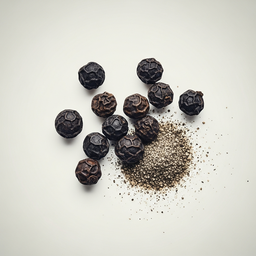 Black Pepper
 Increases curcumin absorption by 2000%
Technical: Curcumin from turmeric has bioavailability below 1% due to rapid glucuronidation in the liver. Piperine from black pepper inhibits UGT (UDP-glucuronosyltransferase) and CYP3A4, preventing curcumin breakdown. This increases bioavailability by 2000% (20x). Use ratio ¼ teaspoon pepper to 1 teaspoon turmeric.
What does this mean for you? ALWAYS add black pepper when using turmeric. Without pepper your body absorbs virtually nothing — with pepper 20x more. This is the most important food synergy there is.
Anti-inflammatoryJointsFocus
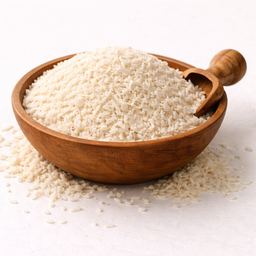 Rice Ginger
 Ginger lowers glycemic response of rice by 10-15%
Technical: Rice has a moderate to high GI (56-89 depending on variety). Ginger contains gingerols that modulate amylase activity and influence gastric emptying, reducing the glycemic peak by 10-15%. This has been demonstrated for jasmine rice but applies to all rice varieties.
What does this mean for you? Cook ginger slices in your rice or serve rice with ginger dishes. A simple addition with measurable effect on your blood sugar.
Blood SugarDigestionEnergy
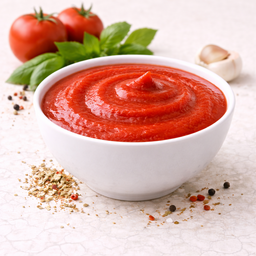 Tomato Passata
 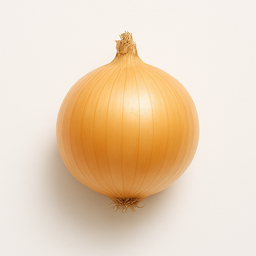 Onion
Onion Lycopene + quercetin for broad-spectrum antioxidant protection
Technical: Tomato passata contains bioavailable lycopene (12-15mg/100g) from the cooking process. Onion's quercetin (20mg/100g) is a flavonoid that works complementarily to lycopene: lycopene neutralizes singlet oxygen (lipid phase), quercetin scavenges hydroxyl radicals and superoxide (aqueous phase). Together they cover the complete antioxidant spectrum. Onion's sulfur compounds also support Phase II biotransformation enzymes that process lycopene metabolites.
What does this mean for you? Passata with sauteed onion is the base of Italian cuisine (sugo). It's a top antioxidant duo you can eat daily — simple, affordable and effective.
HeartSkin & HairAnti-inflammatory
Onion Garlic More than 20 organosulfur compounds in one soffritto
Technical: Onion contains diallyl disulfide and quercetin (20-40mg/100g). Garlic contains allicin, ajoene and S-allylcysteine. Together they provide more than 20 different organosulfur compounds that modulate NF-κB. Allium crops are intensively studied in nutrition science for their unique sulfur chemistry.
What does this mean for you? Start every dish with sautéed onion and garlic — not just for flavor, but for the unique concentration of organosulfur compounds. Cut garlic 10 minutes before heating to allow allicin formation.
DigestionImmune System
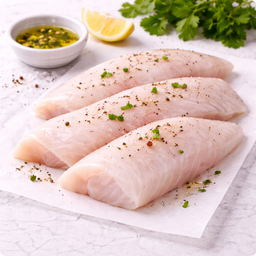
Instructions
- 1 Start cooking the rice according to package directions.
- 2 Heat the coconut oil in a large pan over medium heat. Chop the onion and sauté for 3 minutes until translucent.
Nutrition per serving
Indicative values per serving.
Timing & Suitability
Shelf life: 3 days in fridge
Tags & Diet
Allergens: Fish