- Medium
- 45 min
- 2 serv.
- 13 synergies
- Now at its best: Garlic
Juicy chicken thighs in a piri-piri marinade of cayenne, paprika, garlic, lemon and oregano. Roasted with sweet potato and red pepper into a warm, spicy dinner.
Piri-piri chicken is all about one beautiful contrast: juicy chicken with a spicy, lemon-bright outside and sweet potato that turns soft and lightly caramelised in the oven. The marinade is simple but bold — garlic, cayenne, paprika, oregano and lemon soak into the chicken thighs and release a deep, spiced aroma as they roast. The red pepper sweetens around the edges and catches the oil and spices, bringing the whole tray together. This is the dish for when you want something sunny and satisfying without complicated steps: chop, marinate, roast and bring it to the table warm from the oven.
- 15
- min prep
- 30
- min cook
- 45
- min total
Nutritional Synergies
This recipe combines ingredients that enhance each other:
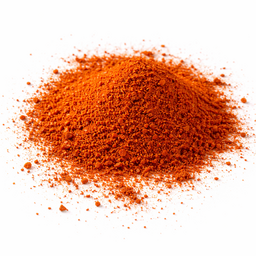 cayenne pepper
 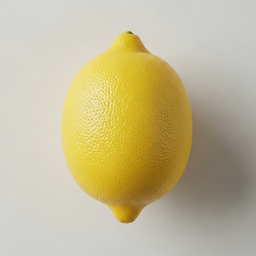 lemon
lemon TRPV1 activation + vitamin C antioxidant support
Technical: Capsaicin in cayenne pepper activates TRPV1 receptors increasing thermogenesis (heat production). Lemon provides vitamin C (53mg/100ml) that contributes to the protection of cells from oxidative stress and protects capsaicin from oxidation as antioxidant.
What does this mean for you? A squeeze of lemon juice over cayenne-seasoned food gives a powerful flavor profile. The vitamin C protects the capsaicin and contributes to your antioxidant support.
Weight LossImmune System
cayenne pepper 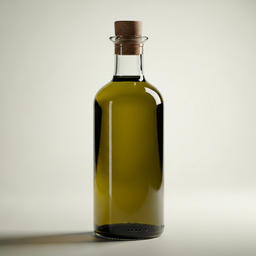 olive oil
 Fat-soluble capsaicin is better absorbed with olive oil
Technical: Capsaicin is fat-soluble and absorbed 2-3x better with dietary fat. Olive oil also reduces stomach irritation that cayenne can cause, while oleocanthal adds bioactive action.
What does this mean for you? Add cayenne pepper to olive oil-based sauces or dressings. The fat improves absorption and the oil tempers the spiciness.
Weight LossAnti-inflammatoryHeart
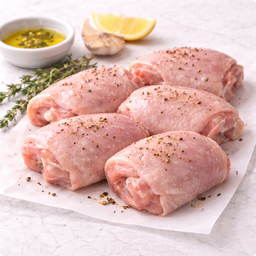 chicken thighs lemon
 Vitamin C increases iron absorption and activates collagen formation
Technical: Chicken thighs contain 1.3mg heme iron per 100g with 15-35% bioavailability, plus 20g protein rich in proline and hydroxyproline (collagen precursors). Lemon provides 53mg vitamin C per 100g that reduces Fe³⁺→Fe²⁺ (300-400% better iron absorption) and is essential cofactor for prolyl/lysyl-hydroxylases that hydroxylate procollagen for stable collagen triple-helix formation. Without vitamin C, defective collagen forms.
What does this mean for you? Drizzle chicken thighs with lemon juice after roasting. The vitamin C improves your iron absorption and activates collagen formation from chicken amino acids. Vitamin C contributes to normal collagen formation for the normal function of skin (EFSA-approved). Especially useful with iron deficiency.
JointsSkin & HairEnergy
chicken thighs 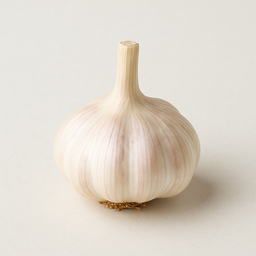 garlic
 Classic combination: allicin for flavor and health
Technical: Chicken thighs contain more fat and flavor than breast, plus extra iron and zinc from dark meat. Garlic contains allicin that influences lipid metabolism. The sulfur compounds in garlic also help digest the fat in thighs.
What does this mean for you? Cook chicken thighs with lots of garlic — this is the basis of dishes like 'chicken with 40 cloves of garlic' and Moroccan tajines. The fat in thighs makes chicken juicier and garlic softer.
HeartImmune System
olive oil lemon Oleic acid + citric acid: complementary pathways for glycemic response
Technical: Lemon contains citric acid that slows gastric emptying, causing carbohydrates from the meal to be absorbed more slowly. Olive oil's fats reinforce this effect by further influencing glycemic response. Together they influence the postprandial glucose response via two complementary mechanisms. Olive oil's oleocanthal and lemon's vitamin C additionally provide complementary antioxidant action.
What does this mean for you? A simple dressing of olive oil and lemon juice over your salad is one of the smartest combinations you can make. The two mechanisms (delayed gastric emptying + fat slowing) work together to influence the glucose response after your meal.
EnergyDigestion
olive oil garlic Aglio e olio: allicin + oleocanthal via complementary biochemical pathways
Technical: Garlic contains allicin (formed when cutting/crushing) that influences HMG-CoA reductase (involved in lipid metabolism). Olive oil contains oleocanthal that modulates COX-1/2 enzymes. Together they influence lipid metabolism and prostaglandin cascade via complementary biochemical pathways. The fat also helps absorb fat-soluble garlic compounds.
What does this mean for you? Gently warm garlic in olive oil (don't burn!) as the base for many dishes. This is why 'aglio e olio' pasta is so beloved — two bioactive compounds that reinforce each other.
HeartImmune System
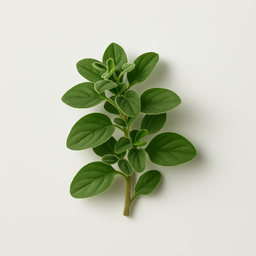 oregano olive oil
 Fat makes carvacol and thymol absorbable
Lambert JD et al. (2004) in Molecular Nutrition & Food Research showed that dietary fats enhance absorption of phenolic compounds from herbs.
Technical: Oregano contains carvacrol (60-74%) and thymol (1-5%) — potent phenolic compounds with broad bioactivity, traditionally valued in food preservation. These compounds are fat-soluble and poorly absorbed without fat. Olive oil dissolves them and significantly increases their bioavailability. This explains why oregano oil always comes in a carrier oil.
What does this mean for you? Cook oregano in olive oil or make oregano-olive oil dressing. The bioactive compounds in oregano are fat-soluble — without oil you barely absorb them.
Immune SystemDigestion
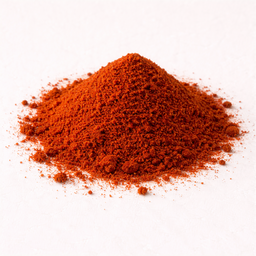 paprika powder olive oil
 3x better carotenoid absorption with fats
Technical: Paprika powder is extremely rich in carotenoids: beta-carotene, capsanthin and cryptoxanthin. These are all fat-soluble with only 5-10% absorption without fat. Olive oil or butter create micelles increasing absorption up to 3x. Additionally, vitamin E from olive oil protects carotenoids from oxidation.
What does this mean for you? Always briefly fry paprika powder in oil or butter before adding liquid. This activates the color and increases vitamin absorption up to 3x — the basis of Hungarian goulash.
Skin & HairImmune System
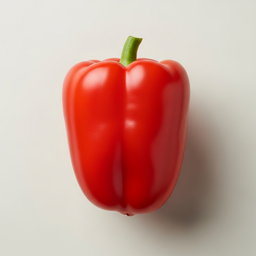 red bell pepper olive oil
 Fat improves carotenoid absorption
Technical: Red pepper contains 3131μg beta-carotene per 100g — significantly more than green (208μg). Carotenoids are absorbed via passive transport with mixed micelles. Oleic acid (73% of olive oil) forms these micelles and increases beta-carotene absorption up to 5x (American Journal of Clinical Nutrition).
What does this mean for you? Roasted pepper with olive oil isn't just tasty but increases beta-carotene absorption up to 5x. Your body can barely absorb it without fat.
Immune SystemSkin & Hair
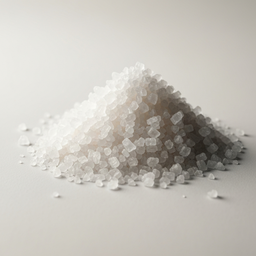 sea salt lemon
 Trace minerals + vitamin C for electrolytes and immune system
Technical: Unrefined sea salt contains 80+ trace elements (magnesium 0.5%, potassium 0.4%, calcium 0.1%, plus iodine, zinc, selenium in trace amounts) alongside sodium. Lemon's vitamin C improves absorption of non-heme iron and zinc from sea salt. Sodium + potassium together regulate cellular osmosis. Vitamin C is also essential for collagen synthesis where sea salt minerals serve as cofactors.
What does this mean for you? A glass of warm water with a pinch of unrefined sea salt and lemon juice in the morning is an effective hydration ritual. The minerals + vitamin C start your day with good electrolyte balance.
EnergyImmune System
sea salt olive oil Minerals + polyphenols for cellular balance
Technical: Sea salt's sodium is essential for the sodium-potassium pump (Na+/K+-ATPase) that regulates every body cell. Olive oil's oleuropein and hydroxytyrosol provide antioxidant protection for cell membranes. The combination supports cell integrity: sea salt regulates ion balance, olive oil protects the membrane. In Mediterranean cuisine, coarse sea salt + olive oil is the most basic flavor profile.
What does this mean for you? Freshly ground sea salt with extra virgin olive oil is the simplest and most nutritious finishing of any dish. The combination provides the basic needs of your cells: minerals for function, polyphenols for protection.
HeartGeneral Wellness
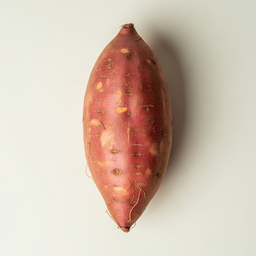 sweet potato olive oil
 Essential for beta-carotene absorption
Technical: Sweet potato is the richest beta-carotene source at 11509μg/100g. Beta-carotene is converted to retinol (vitamin A) by β-carotene-15,15'-dioxygenase, but must first be absorbed via fat micelles. Olive oil increases absorption 3-5x. Without fat, conversion efficiency is only 3:1 (μg carotene:μg retinol); with fat 12:1.
What does this mean for you? Always serve sweet potato with oil or butter. Eating it 'dry' is a missed opportunity — you lose most of the vitamin A. A little fat makes a huge difference.
FocusImmune System
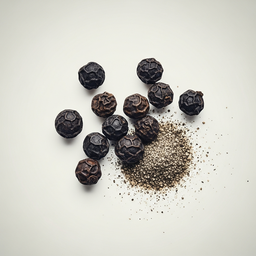 black pepper olive oil
 Fat increases piperine absorption and enhances polyphenols
Technical: Piperine is fat-soluble and absorbed 2-3x better with dietary fat. Olive oil's oleocanthal and piperine both modulate COX signal transduction through different mechanisms, providing additive bioactive effect.
What does this mean for you? Grind fresh pepper over salads with olive oil dressing. The combination enhances both pepper absorption and bioactive action.
Anti-inflammatoryHeartDigestion
Ingredients (11)
- chicken thighs — 400 g boneless, cut into large pieces
- sweet potato — 350 g cut into 2 cm cubes
- cayenne pepper — 1 tsp
Instructions
- 1 Prepare: Preheat the oven to 220°C. Cut the sweet potato into cubes, the red pepper into wide strips and the chicken thighs into large pieces.
- 2 Make the piri-piri marinade: Mix olive oil, lemon zest, lemon juice, garlic, cayenne pepper, paprika powder, oregano, black pepper and sea salt into a fragrant marinade.
Nutrition per serving
Indicative values per serving.
Timing & Suitability
Shelf life: 3 days in fridge