- Easy
- 30 min
- 4 serv.
- 12 synergies
- Now at its best: Onion
A light, smooth watercress soup with soft potato, fresh ginger and lemon. Fresh, gently spiced and ready in about half an hour.
This soup has the colour of a fresh spring day: bright green, softly glossy and just peppery enough to taste awake. The base stays simple — onion, garlic and potato gently cooking in broth — but the watercress gives the bowl its lively freshness. Ginger adds warmth without making it heavy, while lemon zest and a little juice lift everything at the end. The potato creates body, so the soup feels creamy without needing cream. Serve it warm on a cool day, or lightly chilled when you want something fresh and elegant.
- 10
- min prep
- 20
- min cook
- 30
- min total
Nutritional Synergies
This recipe combines ingredients that enhance each other:
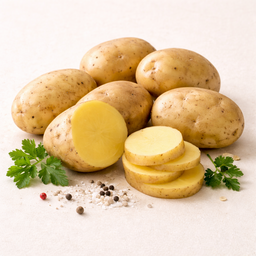 Potato
 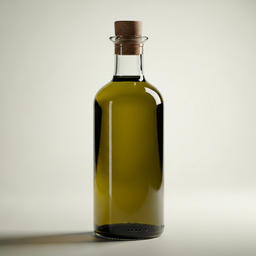 Olive Oil
 Olive oil improves carotenoid absorption from yellow potatoes
Technical: Yellow potato varieties contain up to 400μg carotenoids per 100g, including lutein and violaxanthin. These are fat-soluble and only 5-10% absorbed without fat. Olive oil's oleic acid (73%) forms mixed micelles increasing absorption up to 3x.
What does this mean for you? Roast or fry potatoes in olive oil — this significantly increases carotenoid absorption. Choose yellow varieties for maximum effect.
General WellnessSkin & Hair
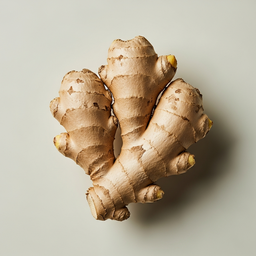 Ginger
 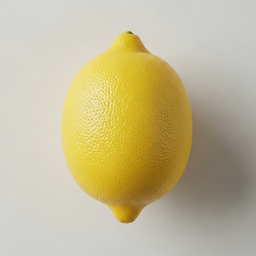 Lemon
Lemon Warming herbal drink with vitamin C
Technical: Ginger contains gingerol and shogaol that modulate COX-2 and NF-kB and raise body temperature (diaphoretic effect, promotes sweating). Lemon provides 53mg vitamin C per 100ml that contributes to the normal function of the immune system.
What does this mean for you? Ginger-lemon tea is a classic warming drink. The ginger modulates signaling pathways, the lemon provides vitamin C that contributes to normal immune function — a comforting combination.
Immune SystemAnti-inflammatory
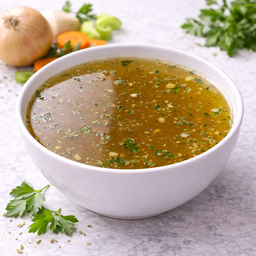 Vegetable Broth Ginger
 Warm broth + gingerols for digestion and hydration
Technical: Vegetable broth provides electrolytes (sodium 350-500mg/L, potassium 200-400mg/L) for hydration and osmotic balance. Ginger's gingerols promote gastric motility and bile production. Warm fluids accelerate gastric transit.
What does this mean for you? Vegetable broth with fresh ginger is an ideal warm drink during recovery. The electrolytes hydrate, the gingerols support digestion.
DigestionImmune System
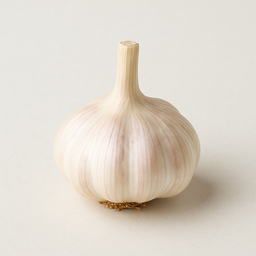 Garlic Ginger
 Allicin + gingerols: complementary bioactive action
Technical: Garlic's allicin works via thiol enzyme inhibition — effective against gram-positive bacteria (Staphylococcus, Streptococcus). Ginger's gingerols and shogaols influence viral replication and stimulate interferon production. Together they cover both bacterial and viral pathways.
What does this mean for you? Garlic-ginger tea is a classic combination. Garlic works via thiol enzymes, ginger via interferon pathways. Cut both fresh for maximum active compounds — allicin only forms after 10 minutes of air exposure.
Immune System
Olive Oil Lemon Oleic acid + citric acid: complementary pathways for glycemic response
Technical: Lemon contains citric acid that slows gastric emptying, causing carbohydrates from the meal to be absorbed more slowly. Olive oil's fats reinforce this effect by further influencing glycemic response. Together they influence the postprandial glucose response via two complementary mechanisms. Olive oil's oleocanthal and lemon's vitamin C additionally provide complementary antioxidant action.
What does this mean for you? A simple dressing of olive oil and lemon juice over your salad is one of the smartest combinations you can make. The two mechanisms (delayed gastric emptying + fat slowing) work together to influence the glucose response after your meal.
EnergyDigestion
Olive Oil Garlic Aglio e olio: allicin + oleocanthal via complementary biochemical pathways
Technical: Garlic contains allicin (formed when cutting/crushing) that influences HMG-CoA reductase (involved in lipid metabolism). Olive oil contains oleocanthal that modulates COX-1/2 enzymes. Together they influence lipid metabolism and prostaglandin cascade via complementary biochemical pathways. The fat also helps absorb fat-soluble garlic compounds.
What does this mean for you? Gently warm garlic in olive oil (don't burn!) as the base for many dishes. This is why 'aglio e olio' pasta is so beloved — two bioactive compounds that reinforce each other.
HeartImmune System
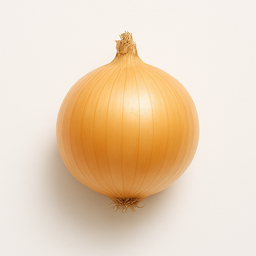 Onion Garlic
 More than 20 organosulfur compounds in one soffritto
Technical: Onion contains diallyl disulfide and quercetin (20-40mg/100g). Garlic contains allicin, ajoene and S-allylcysteine. Together they provide more than 20 different organosulfur compounds that modulate NF-κB. Allium crops are intensively studied in nutrition science for their unique sulfur chemistry.
What does this mean for you? Start every dish with sautéed onion and garlic — not just for flavor, but for the unique concentration of organosulfur compounds. Cut garlic 10 minutes before heating to allow allicin formation.
DigestionImmune System
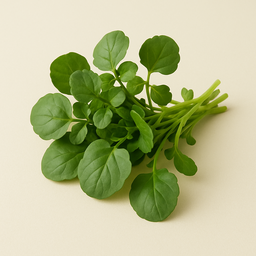 Watercress Lemon
 PEITC + vitamin C: isothiocyanate and immune support
Technical: Watercress contains very high concentrations of PEITC (phenethyl isothiocyanate) — one of the most studied isothiocyanates inducing phase-II enzymes via the Nrf2 pathway. Vitamin C from lemon contributes to normal immune system function (EFSA-approved) via neutrophil chemotaxis and T-cell activation.
What does this mean for you? Watercress salad with lemon dressing combines PEITC (Nrf2 activation) and vitamin C (immune support). Watercress is one of the richest sources of this intensively studied isothiocyanate. Vitamin C from lemon complements with immune support.
Immune SystemAntioxidants
Watercress Olive Oil Fat improves absorption of PEITC and fat-soluble vitamins
Technical: Watercress contains 3191μg beta-carotene and 330μg vitamin K per 100g — both fat-soluble. PEITC (phenethyl isothiocyanate) is also lipophilic and better absorbed with fats. Olive oil forms micelles transporting all three components. Watercress' own vitamin C (43mg/100g) limits oxidation of the fats.
What does this mean for you? Watercress salad with olive oil dressing makes the full nutritional profile available. Without fat, fat-soluble vitamins and bioactive PEITC are largely lost.
Skin & HairImmune System
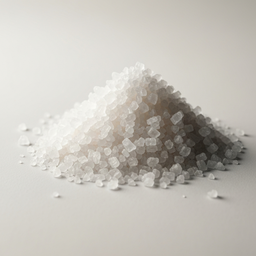 Sea Salt Lemon
 Trace minerals + vitamin C for electrolytes and immune system
Technical: Unrefined sea salt contains 80+ trace elements (magnesium 0.5%, potassium 0.4%, calcium 0.1%, plus iodine, zinc, selenium in trace amounts) alongside sodium. Lemon's vitamin C improves absorption of non-heme iron and zinc from sea salt. Sodium + potassium together regulate cellular osmosis. Vitamin C is also essential for collagen synthesis where sea salt minerals serve as cofactors.
What does this mean for you? A glass of warm water with a pinch of unrefined sea salt and lemon juice in the morning is an effective hydration ritual. The minerals + vitamin C start your day with good electrolyte balance.
EnergyImmune System
Sea Salt Olive Oil Minerals + polyphenols for cellular balance
Technical: Sea salt's sodium is essential for the sodium-potassium pump (Na+/K+-ATPase) that regulates every body cell. Olive oil's oleuropein and hydroxytyrosol provide antioxidant protection for cell membranes. The combination supports cell integrity: sea salt regulates ion balance, olive oil protects the membrane. In Mediterranean cuisine, coarse sea salt + olive oil is the most basic flavor profile.
What does this mean for you? Freshly ground sea salt with extra virgin olive oil is the simplest and most nutritious finishing of any dish. The combination provides the basic needs of your cells: minerals for function, polyphenols for protection.
HeartGeneral Wellness
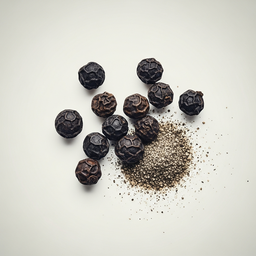 Black Pepper Olive Oil
 Fat increases piperine absorption and enhances polyphenols
Technical: Piperine is fat-soluble and absorbed 2-3x better with dietary fat. Olive oil's oleocanthal and piperine both modulate COX signal transduction through different mechanisms, providing additive bioactive effect.
What does this mean for you? Grind fresh pepper over salads with olive oil dressing. The combination enhances both pepper absorption and bioactive action.
Anti-inflammatoryHeartDigestion
Ingredients (10)
+8 more ingredientsInstructions
- 1 Heat the olive oil in a large soup pot over medium heat.
- 2 Sauté the onion and garlic for 3 minutes, until the onion is soft and translucent.
Nutrition per serving
Indicative values per serving.
Timing & Suitability
Shelf life: 3 days in fridge