- Medium
- 30 min
- 2 serv.
- 9 synergies
- Now at its best: Garlic
This authentic Pad Thai combines crispy fried tofu with crunchy peanuts and fresh bean sprouts. With fragrant garlic, cilantro and a sweet-sour tamarind sauce for classic Thai flavor.
The aroma of simmering tamarind fills the kitchen as you prepare this classic Thai wok dish. Firm tofu cubes are fried golden until crispy on the outside and soft within. The sweet-sour tamarind sauce coats the wide rice noodles, while crunchy peanuts and fresh bean sprouts provide textural contrast. Scrambled egg in thin ribbons, sliced red chili for subtle heat, and a generous squeeze of lime bring everything together. Garnish with fresh cilantro and extra lime wedges — a dish that arrives on the table as quickly as the best street stalls in Bangkok.
- 15
- min prep
- 15
- min cook
- 30
- min total
Nutritional Synergies
This recipe combines ingredients that enhance each other:
 Eggs
Eggs 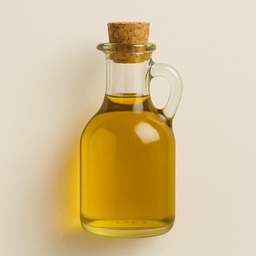 Sesame oil
 Choline + sesamol for brain and liver support
Technical: Eggs contain 147mg choline per egg (27% RDI), essential as precursor for the neurotransmitter acetylcholine and for liver metabolism. Sesame oil contains sesamol and sesamin — bioactive lignan antioxidants with membrane-stabilizing properties. The fats in sesame oil also help absorb fat-soluble vitamins from eggs.
What does this mean for you? Fry your eggs in sesame oil for Asian dishes like tamagoyaki. The nutty flavor combines perfectly and the bioactive compounds complement each other.
FocusAntioxidantsAnti-inflammatory
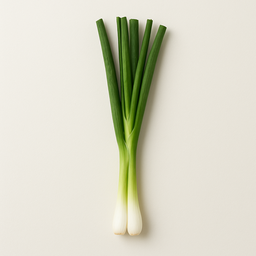 Spring onions Eggs
 Allyl sulfides + cysteine for glutathione production
Technical: Green onion contains allyl sulfides that induce glutathione S-transferase. Eggs provide 272mg cysteine per 100g — the rate-limiting precursor for glutathione (GSH) synthesis. Together they increase both production and utilization of glutathione, the body's main intracellular antioxidant.
What does this mean for you? Scrambled eggs or omelet with green onion is an ideal breakfast. Sulfur compounds from green onion activate glutathione S-transferase, while cysteine from eggs provides the building block for glutathione. Two ingredients, one biochemical system.
AntioxidantsImmune System
Spring onions 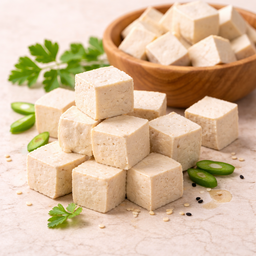 Firm tofu
 Allicin improves iron absorption from plant sources
Technical: Tofu contains 5.4mg non-heme iron per 100g, but also phytate (inositol hexaphosphate) that binds iron. Green onion's sulfur compounds (allyl sulfides) reduce phytate binding through pH lowering in the gut. Vitamin C in green onion (18.8mg/100g) reduces Fe³⁺ to Fe²⁺ for better absorption via DMT-1 transport proteins.
What does this mean for you? Always garnish tofu with green onion — the sulfur compounds free iron that would otherwise remain bound to phytate. Essential for vegetarians and vegans relying on plant-based iron.
EnergyGeneral Wellness
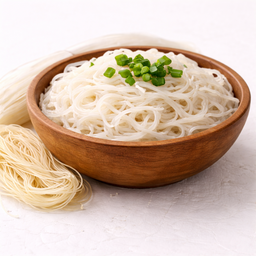 Flat rice noodles Sesame oil
 Sesame + soy = complete amino acids + fats
Technical: Rice noodles (rice flour) are low in lysine — the limiting amino acid in rice protein. Soy sauce (fermented soybeans) is rich in lysine and provides free glutamate for umami. Sesame oil contains methionine (complementary amino acid) plus sesamin and sesamol — unique lignans with antioxidant action. Together they form an amino acid-complete profile.
What does this mean for you? Stir-fry rice noodles with sesame oil and soy sauce — this is the foundation of countless Asian dishes. The three together provide complete proteins, healthy fats AND intense umami flavor. Add vegetables for a complete meal.
Muscle GainGeneral Wellness
Flat rice noodles 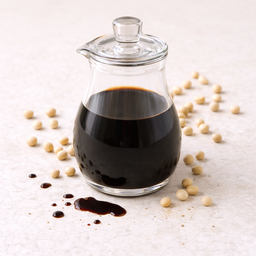 Soy sauce
 Sesame + soy = complete amino acids + fats
Technical: Rice noodles (rice flour) are low in lysine — the limiting amino acid in rice protein. Soy sauce (fermented soybeans) is rich in lysine and provides free glutamate for umami. Sesame oil contains methionine (complementary amino acid) plus sesamin and sesamol — unique lignans with antioxidant action. Together they form an amino acid-complete profile.
What does this mean for you? Stir-fry rice noodles with sesame oil and soy sauce — this is the foundation of countless Asian dishes. The three together provide complete proteins, healthy fats AND intense umami flavor. Add vegetables for a complete meal.
Muscle GainGeneral Wellness
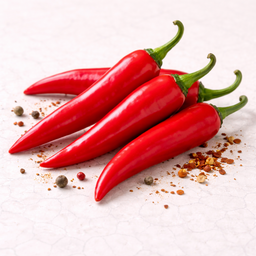 Red chili
 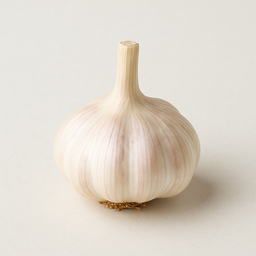 Garlic
 Capsaicin + allicin: complementary bioactive sulfur pathways
Technical: Capsaicin from red pepper inhibits bacterial biofilm formation and is effective against H. pylori via TRPV1 receptor activation. Garlic's allicin works via thiol enzyme inhibition and has bioactive action against gram-positive bacteria. Together they cover a broader spectrum of bioactive pathways. Capsaicin also stimulates mucus production in the GI tract.
What does this mean for you? Red pepper with garlic is the base of countless cuisines worldwide — from sambal to harissa. Not just tasty heat, but also two complementary bioactive pathways in one spice combination.
Immune SystemAnti-inflammatory
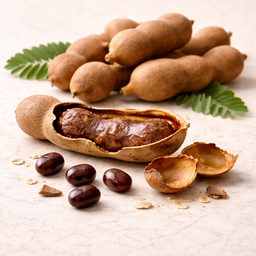 Tamarind paste
 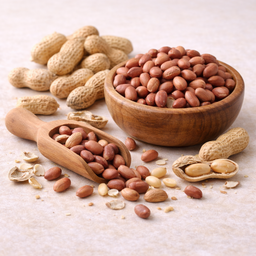 Salted peanuts
 Acid + fat + protein for satay sauce perfection
Technical: Tamarind contains tartaric acid that lowers stomach pH and promotes pepsinogen (protein digestion enzyme) activity. Peanut provides 25g protein and healthy fats. Coconut milk's MCTs improve absorption of fat-soluble compounds. The acid + protein + fat trio optimizes nutrient absorption from the entire dish.
What does this mean for you? Make satay sauce with tamarind, peanut and coconut milk. The acid from tamarind helps better digest proteins from peanut — traditional Indonesian nutritional wisdom.
DigestionMuscle Gain
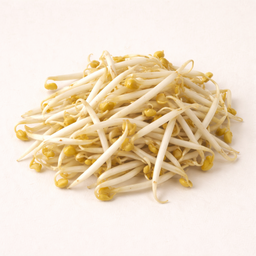 Bean sprouts Flat rice noodles
 Amylase enzymes from sprouts improve starch digestion
Technical: Bean sprouts (sprouted mung beans) contain active α-amylase and other hydrolytic enzymes activated during germination. These break starch chains (amylose and amylopectin) into maltose and glucose. This lowers the glycemic index of rice by 15-20% and slows the postprandial glycemic response.
What does this mean for you? Add bean sprouts to your rice dish (nasi goreng, fried rice). Sprout enzymes help break down rice starch, slowing the glycemic response. A classic Asian combination with nutritional backing.
DigestionBlood Sugar
Bean sprouts Sesame oil Sesame oil improves vitamin absorption from bean sprouts
Technical: Bean sprouts (sprouted mung beans) contain 13μg vitamin K and 162μg folate per 100g. Sprouts also have elevated tocopherol (vitamin E family) levels. Sesame oil (42% oleic, 40% linoleic acid) forms micelles absorbing fat-soluble vitamins. Sesamin in sesame oil also inhibits PUFA oxidation.
What does this mean for you? Stir-fry bean sprouts with a splash of sesame oil — the classic Asian method. Sesame oil makes fat-soluble vitamins absorbable and adds a nutty flavor.
General WellnessEnergy
Ingredients (13)
+10 more ingredientsInstructions
- 1 Soak rice noodles in warm water for 30 minutes until soft.
- 2 Mix tamarind paste with 2 tablespoons water and 1 tablespoon sugar for the sauce.
Nutrition per serving
Indicative values per serving.
Timing & Suitability
Shelf life: 2 days in fridge
Tags & Diet
Allergens: Peanuts, Soy, Eggs, Sesame