- Easy
- 30 min
- 6 serv.
- 12 synergies
- Now at its best: Salmon
Fluffy breakfast muffins made with eggs, smoked salmon and spinach. They are low in carbs, rich in protein and easy to prepare ahead for a quick breakfast or lunchbox.
These breakfast muffins are small, savory and surprisingly full of flavor. The eggs bake gently in the oven, while smoked salmon adds a deep, salty note without needing much extra seasoning. Spinach keeps the muffins moist and green, dill and lemon zest bring freshness, and a little garlic adds warmth. They are ideal for busy mornings: bake a full tray, let them cool and keep them in the fridge. Reheat briefly or eat cold with cucumber, avocado or a simple salad.
- 10
- min prep
- 20
- min cook
- 30
- min total
Nutritional Synergies
This recipe combines ingredients that enhance each other:
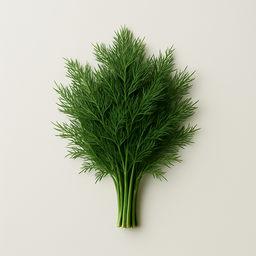 fresh dill
 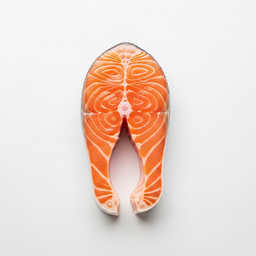 smoked salmon
 Scandinavian classic with antioxidant boost
Technical: Dill contains flavonoids (kaempferol, vicenin) and monoterpenes (limonene, carvone) with antioxidant action. Salmon provides EPA and DHA omega-3 fatty acids with bioactive action via prostaglandin modulation. Dill's antioxidants protect vulnerable omega-3 fatty acids from oxidation.
What does this mean for you? Dill + salmon is the classic Scandinavian combination — not just for flavor, but also because the antioxidants in dill protect the omega-3 fatty acids from oxidation.
HeartAnti-inflammatory
 eggs
eggs 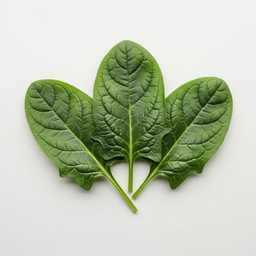 fresh spinach
 Increases vitamin E absorption by factor 4-7
Technical: Spinach contains vitamin E (2mg/100g), lutein and beta-carotene — all fat-soluble. A study showed that adding an egg (with 5g fat) to a raw vegetable salad increased vitamin E absorption by a factor of 4-7. The egg yolk creates a lipid emulsion serving as transport for these fat-soluble nutrients.
What does this mean for you? Always add an egg to your spinach salad or cook spinach with an egg. Without the egg fat you absorb up to 7x less vitamin E from the spinach.
General Wellness
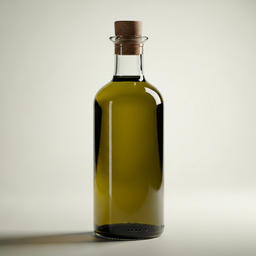 olive oil
 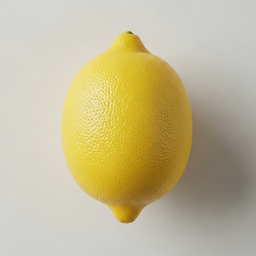 lemon
lemon Oleic acid + citric acid: complementary pathways for glycemic response
Technical: Lemon contains citric acid that slows gastric emptying, causing carbohydrates from the meal to be absorbed more slowly. Olive oil's fats reinforce this effect by further influencing glycemic response. Together they influence the postprandial glucose response via two complementary mechanisms. Olive oil's oleocanthal and lemon's vitamin C additionally provide complementary antioxidant action.
What does this mean for you? A simple dressing of olive oil and lemon juice over your salad is one of the smartest combinations you can make. The two mechanisms (delayed gastric emptying + fat slowing) work together to influence the glucose response after your meal.
EnergyDigestion
olive oil 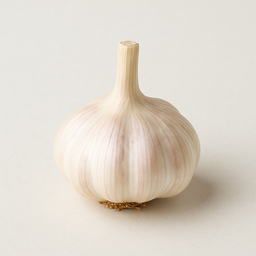 garlic
 Aglio e olio: allicin + oleocanthal via complementary biochemical pathways
Technical: Garlic contains allicin (formed when cutting/crushing) that influences HMG-CoA reductase (involved in lipid metabolism). Olive oil contains oleocanthal that modulates COX-1/2 enzymes. Together they influence lipid metabolism and prostaglandin cascade via complementary biochemical pathways. The fat also helps absorb fat-soluble garlic compounds.
What does this mean for you? Gently warm garlic in olive oil (don't burn!) as the base for many dishes. This is why 'aglio e olio' pasta is so beloved — two bioactive compounds that reinforce each other.
HeartImmune System
fresh spinach lemon Increases iron absorption up to 300% by breaking oxalate binding
Technical: Spinach contains 2.7mg non-heme iron per 100g, but also 970mg oxalic acid that binds iron into insoluble calcium oxalate. Vitamin C (53mg/100g in lemon) reduces Fe³⁺ to Fe²⁺ (ferroreduction) and forms soluble iron-ascorbate complexes that break oxalate binding. Iron absorption rises from 2% to 6-12%.
What does this mean for you? Always squeeze lemon over spinach — this is the 'Popeye hack'. Vitamin C breaks the oxalate trap blocking iron absorption. Without lemon you barely absorb any iron from spinach.
Energy
fresh spinach olive oil Makes fat-soluble vitamins and antioxidants available
Technical: Spinach contains 483μg vitamin K (403% RDI), 5626μg beta-carotene, 2mg vitamin E and 12.2mg lutein — all fat-soluble. Without fat only 5-10% is absorbed. Olive oil's monounsaturated fats (73% oleic acid) form micelles that increase absorption 2-5x.
What does this mean for you? Always eat spinach with olive oil or another fat source. Without fat you waste most of spinach's impressive vitamin profile. A drizzle of olive oil is essential for proper absorption.
Skin & HairJoints
fresh spinach 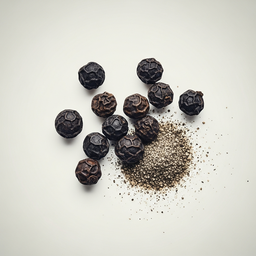 black pepper
 Increases beta-carotene absorption from vegetables
Technical: Spinach contains 5626μg beta-carotene per 100g. Piperine from black pepper (5-9% by weight) inhibits glucuronidation in the gut, keeping beta-carotene in its active form longer. Piperine also increases intestinal epithelium permeability via vanilloid receptor activation.
What does this mean for you? Grind fresh black pepper over spinach. Piperine slows beta-carotene breakdown in your gut so you absorb more. Combine with olive oil for the maximum triple effect.
Immune SystemSkin & Hair
smoked salmon lemon Improves digestion and iron absorption
Technical: Salmon contains 20g protein per 100g that is optimally digested at low stomach pH. Citric acid lowers stomach pH and activates pepsinogen → pepsin (the primary protein-digesting enzyme). Protein digestion becomes 15-20% more efficient. Vitamin C from lemon also protects omega-3 fatty acids (2.5g per 100g) against lipid peroxidation and improves non-heme iron absorption.
What does this mean for you? Sprinkle your salmon fillet with lemon juice — not just for flavor. The citric acid helps your body better digest the proteins and fats. Add the juice just before serving, not during cooking (vitamin C is heat-sensitive).
DigestionEnergy
smoked salmon fresh spinach Vitamin D + K + lutein: bone metabolism and macular pigment
Technical: Salmon contains 526 IU vitamin D per 100g and DHA omega-3 (essential for the retina). Spinach contains 483μg vitamin K per 100g that activates osteocalcin, plus lutein (12mg per 100g) and zeaxanthin — carotenoids that concentrate in the macula lutea of the eye. DHA from salmon is a building block of the retina itself. Lutein is the primary macular pigment and is intensively studied in science.
What does this mean for you? Salmon with spinach combines vitamin D + K for your bone metabolism with DHA + lutein as macular pigments. The vitamin D + K combination optimizes calcium use. Ideal if you spend lots of time behind a screen.
JointsFocus
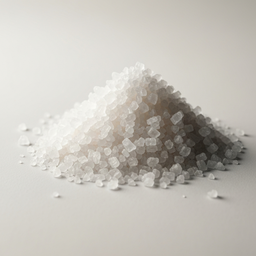 sea salt lemon
 Trace minerals + vitamin C for electrolytes and immune system
Technical: Unrefined sea salt contains 80+ trace elements (magnesium 0.5%, potassium 0.4%, calcium 0.1%, plus iodine, zinc, selenium in trace amounts) alongside sodium. Lemon's vitamin C improves absorption of non-heme iron and zinc from sea salt. Sodium + potassium together regulate cellular osmosis. Vitamin C is also essential for collagen synthesis where sea salt minerals serve as cofactors.
What does this mean for you? A glass of warm water with a pinch of unrefined sea salt and lemon juice in the morning is an effective hydration ritual. The minerals + vitamin C start your day with good electrolyte balance.
EnergyImmune System
sea salt olive oil Minerals + polyphenols for cellular balance
Technical: Sea salt's sodium is essential for the sodium-potassium pump (Na+/K+-ATPase) that regulates every body cell. Olive oil's oleuropein and hydroxytyrosol provide antioxidant protection for cell membranes. The combination supports cell integrity: sea salt regulates ion balance, olive oil protects the membrane. In Mediterranean cuisine, coarse sea salt + olive oil is the most basic flavor profile.
What does this mean for you? Freshly ground sea salt with extra virgin olive oil is the simplest and most nutritious finishing of any dish. The combination provides the basic needs of your cells: minerals for function, polyphenols for protection.
HeartGeneral Wellness
black pepper olive oil Fat increases piperine absorption and enhances polyphenols
Technical: Piperine is fat-soluble and absorbed 2-3x better with dietary fat. Olive oil's oleocanthal and piperine both modulate COX signal transduction through different mechanisms, providing additive bioactive effect.
What does this mean for you? Grind fresh pepper over salads with olive oil dressing. The combination enhances both pepper absorption and bioactive action.
Anti-inflammatoryHeartDigestion
Instructions
- 1 Preheat the oven to 180°C. Lightly grease a 6-cup muffin tin with a little olive oil or use silicone molds.
- 2 Heat the olive oil in a skillet over medium heat. Sauté the garlic for 30 seconds until fragrant.
Nutrition per serving
Indicative values per serving.
Timing & Suitability
Shelf life: 3 days in fridge
Tags & Diet
Allergens: Eggs, Fish