- Medium
- 60 min
- 2 serv.
- 10 synergies
- Now at its best: Corn
A fresh Mexican pozole verde with tender chicken, hominy, tomatillo, green pepper, coriander and crisp radish. The green salsa is briefly cooked for depth, then combined with the chicken broth into a fragrant, bright soup.
Pozole verde feels festive without becoming heavy. The chicken first cooks gently in salted water, giving you a simple broth at the same time. Meanwhile, the blender turns tomatillo, roasted green pepper, onion, garlic, coriander and cumin into a green salsa. That salsa does not go into the soup raw: it is briefly cooked in olive oil until the sharp edges soften and the aroma becomes deeper and more herbal. Then broth, chicken and hominy come together in the pot. The hominy gives the soup its characteristic firm bite, the chicken makes it satisfying, and at the table radish, lime and extra coriander bring the real contrast: warm and fresh, soft and crisp, green and bright.
- 20
- min prep
- 40
- min cook
- 60
- min total
Nutritional Synergies
This recipe combines ingredients that enhance each other:
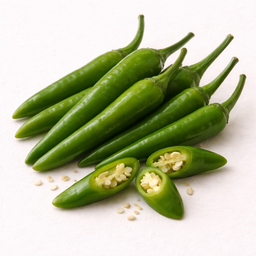 Green pepper or poblano
 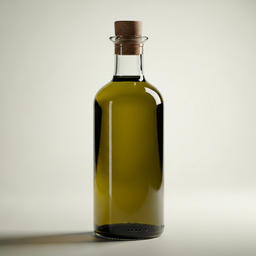 Olive Oil
 Fat improves absorption of green pepper's carotenoids and vitamin K
Technical: Green pepper contains 208μg beta-carotene, 341μg lutein+zeaxanthin and 7.4μg vitamin K per 100g — all fat-soluble. Additionally, green pepper contains 80mg vitamin C (133% RDI) which as water-soluble antioxidant protects fat-soluble carotenoids from oxidation during absorption.
What does this mean for you? Sauté green pepper in olive oil or roast them. The oil makes fat-soluble vitamins absorbable. Though green pepper has fewer carotenoids than red, it still provides plenty of vitamin C.
Immune SystemGeneral Wellness
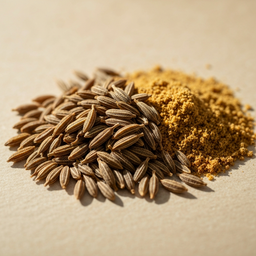 Cumin
Cumin 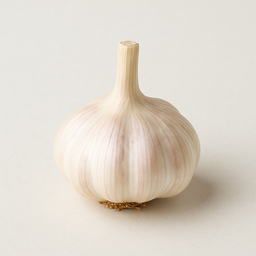 Garlic
 Double digestive support: enzymes + bioactive compounds
Technical: Cumin promotes digestive enzyme activity (amylase, lipase, protease) and increases bile flow. Garlic's allicin has broad bioactivity targeting pathogenic gut bacteria while sparing beneficial ones.
What does this mean for you? Fry garlic and cumin together as base for curries, soups and stews. Classic combination in virtually every cuisine in the world.
DigestionImmune System
Cumin Olive Oil Fat activates volatile oils and increases cuminaldehyde absorption
Technical: Cumin's active compounds (cuminaldehyde, cymene, terpinene) are volatile, fat-soluble compounds. Frying in olive oil extracts and stabilizes these compounds, and the fat improves their gut absorption.
What does this mean for you? Briefly fry cumin in olive oil before adding other ingredients (tadka/tempering). This is why Indian and Middle Eastern cuisines always fry cumin in oil.
DigestionAnti-inflammatoryBlood Sugar
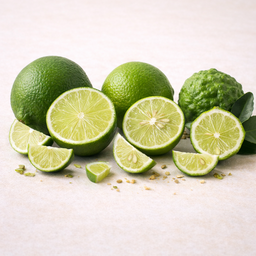 Lime Olive Oil
 Vitamin C + olive oil fats for iron absorption and antioxidant action
Technical: Lime's vitamin C (ascorbic acid) improves absorption of non-heme iron from plant sources. Olive oil's fat-soluble polyphenols (hydroxytyrosol) are better absorbed in combination with vitamin C, which acts as an antioxidant keeping the polyphenols stable.
What does this mean for you? Lime-olive oil dressing is a classic combination that helps your body absorb more iron and antioxidants from your salad.
Immune SystemEnergySkin & Hair
Olive Oil Garlic Aglio e olio: allicin + oleocanthal via complementary biochemical pathways
Technical: Garlic contains allicin (formed when cutting/crushing) that influences HMG-CoA reductase (involved in lipid metabolism). Olive oil contains oleocanthal that modulates COX-1/2 enzymes. Together they influence lipid metabolism and prostaglandin cascade via complementary biochemical pathways. The fat also helps absorb fat-soluble garlic compounds.
What does this mean for you? Gently warm garlic in olive oil (don't burn!) as the base for many dishes. This is why 'aglio e olio' pasta is so beloved — two bioactive compounds that reinforce each other.
HeartImmune System
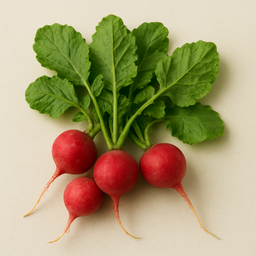 Radish Olive Oil
 Fat improves absorption of isothiocyanates from radish
Technical: Radish's isothiocyanates (raphasatin, sulforaphene) are lipophilic molecules better absorbed in presence of fats. Olive oil also slows gastric passage, keeping isothiocyanates in contact with intestinal epithelium longer for better absorption. Oil also tempers the sharp taste.
What does this mean for you? Serve radishes with olive oil (e.g., on bread with butter or in salad with dressing). Fat improves absorption of the bioactive sharp compounds and makes the taste milder.
DigestionAntioxidants
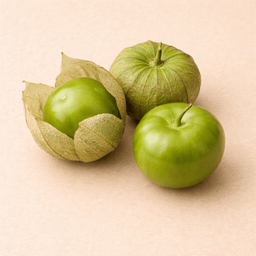 Tomatillo
 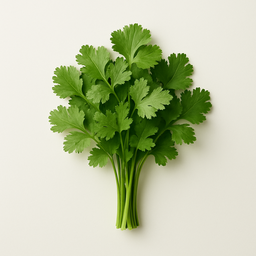 Cilantro
 Withanolides + linalool: complementary NF-κB and COX-2 modulation
Tomatillo withanolides activate Nrf2 detox pathway, cilantro linalool inhibits COX-2 (PMID: 25765539)
Technical: Tomatillo (Physalis ixocarpa) contains withanolides (4β-hydroxywithanolide E) that modulate NF-κB and activate phase-II enzymes via the Nrf2 pathway. Linalool from fresh cilantro modulates COX-2 and has anxiolytic properties via GABA modulation. Together they provide complementary bioactive pathways: tomatillo via Nrf2/NF-κB, cilantro via COX-2/GABA.
What does this mean for you? Tomatillo salsa verde with fresh cilantro is the classic Mexican combination — two bioactive plant compounds each working through their own pathway. Tomatillo's withanolides activate the Nrf2 pathway, cilantro's linalool modulates COX-2.
AntioxidantsAnti-inflammatory
Tomatillo Olive Oil Fat-soluble withanolides and carotenoids better absorbed with fat
Withanolides are lipophilic steroidal lactones requiring dietary fat for absorption
Technical: Tomatillo contains withanolides (steroidal lactones) and β-carotene which are both fat-soluble. Olive oil contains 73% oleic acid promoting micelle formation, improving absorption of these bioactive compounds up to 3x in the gut.
What does this mean for you? Use tomatillo in dishes with olive oil (like salsa verde). The fat-soluble bioactive compounds are optimally absorbed this way.
Anti-inflammatoryImmune System
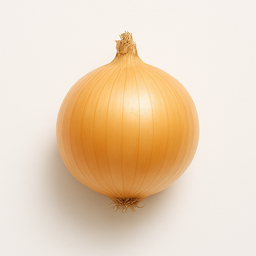 Onion Garlic
 More than 20 organosulfur compounds in one soffritto
Technical: Onion contains diallyl disulfide and quercetin (20-40mg/100g). Garlic contains allicin, ajoene and S-allylcysteine. Together they provide more than 20 different organosulfur compounds that modulate NF-κB. Allium crops are intensively studied in nutrition science for their unique sulfur chemistry.
What does this mean for you? Start every dish with sautéed onion and garlic — not just for flavor, but for the unique concentration of organosulfur compounds. Cut garlic 10 minutes before heating to allow allicin formation.
DigestionImmune System
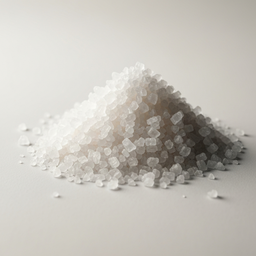 Sea Salt Olive Oil
 Minerals + polyphenols for cellular balance
Technical: Sea salt's sodium is essential for the sodium-potassium pump (Na+/K+-ATPase) that regulates every body cell. Olive oil's oleuropein and hydroxytyrosol provide antioxidant protection for cell membranes. The combination supports cell integrity: sea salt regulates ion balance, olive oil protects the membrane. In Mediterranean cuisine, coarse sea salt + olive oil is the most basic flavor profile.
What does this mean for you? Freshly ground sea salt with extra virgin olive oil is the simplest and most nutritious finishing of any dish. The combination provides the basic needs of your cells: minerals for function, polyphenols for protection.
HeartGeneral Wellness
Ingredients (13)
-
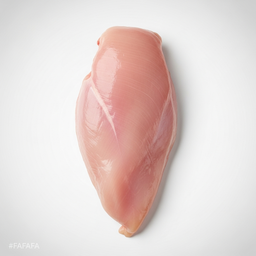 Chicken Breast — 200 g cut into large pieces
 -
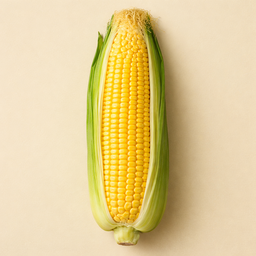 Hominy or large white corn — 150 g drained
 - Tomatillo — 200 g halved
Instructions
- 1 Place the chicken breast, water and sea salt in a soup pot. Bring to a boil, reduce the heat and simmer gently for 18-20 minutes, until the chicken is cooked.
- 2 Remove the chicken from the pot and reserve the broth. Shred the chicken coarsely with two forks.
Nutrition per serving
Indicative values per serving.
Timing & Suitability
Shelf life: 3 days in fridge