- Easy
- 50 min
- 4 serv.
- 11 synergies
- Now at its best: Carrot
An aromatic Moroccan salad with roasted carrots, cumin, cilantro, raisins and almonds. Serve warm or cold.
Khizou Mchermla — the name alone sounds like an invitation. In Moroccan kitchens, this carrot dish sits on every mezze table, somewhere between the harira and freshly baked bread. Carrots slowly roasted until caramel-soft, with a spice mix of cumin and cinnamon that fills the kitchen with aromas pointing towards the souks of Fez. The honey-lemon dressing balances sweet and sour just right, while soaked raisins provide plump bursts of sweetness. Sprinkle the toasted almonds only when serving — they keep their crunch that way. Warm with couscous, at room temperature as mezze, or cold from the fridge the next day: this salad works at any moment.
- 15
- min prep
- 35
- min cook
- 50
- min total
Nutritional Synergies
This recipe combines ingredients that enhance each other:
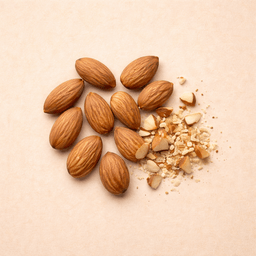 Almonds
 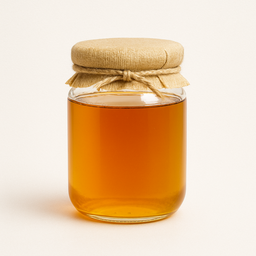 Honey
Honey Vitamin E + flavonoids for enhanced antioxidant protection
Technical: Almonds are rich in alpha-tocopherol (vitamin E), a fat-soluble antioxidant. Honey's flavonoids (chrysin, pinocembrin) are water-soluble antioxidants. Together they provide protection in both lipid and aqueous compartments of cells.
What does this mean for you? Almonds with a bit of honey is not just a classic snack, but gives your cells double antioxidant protection — in fat and water.
Anti-inflammatorySkin & HairImmune System
Honey 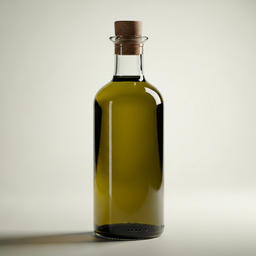 Olive Oil
 Dual bioactive action via chrysin + oleocanthal
Technical: Honey contains chrysin and olive oil oleocanthal — bioactive phenolic compounds studied in research in connection with NF-κB and COX signaling. Together they provide plant compounds through two independent routes.
What does this mean for you? A dressing of honey and olive oil is not just tasty — the chrysin and oleocanthal work through two different routes in your body.
Anti-inflammatoryHeartJoints
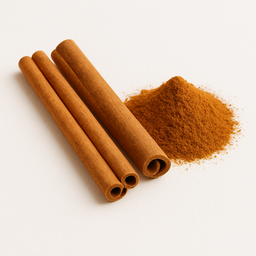 Cinnamon Honey
 Traditional warm combination of cinnamon and honey
Technical: Cinnamon contains cinnamaldehyde and proanthocyanidins with bioactive action via cell wall disruption. Honey's glucose oxidase produces hydrogen peroxide with bioactive action, while honey's high viscosity forms a physical barrier. Two independent bioactive mechanisms that work more broadly together.
What does this mean for you? Cinnamon + honey in warm tea — a classic combination. Both have bioactive action via different pathways — broader together than alone.
Immune System
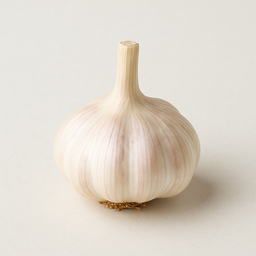 Garlic Honey
 Fermented: allicin + bee defensin in traditional condiment
Technical: Raw garlic contains alliin converted by alliinase to allicin — an organosulfur compound with bioactive properties — when cut. Raw honey contains hydrogen peroxide, bee defensin-1 and methylglyoxal. Fermenting garlic in honey increases bioavailability of S-allylcysteine (SAC), a more stable bioactive metabolite.
What does this mean for you? Submerge raw garlic cloves in raw honey and ferment for 2-4 weeks. You get a traditional condiment with concentrated bioactive compounds — an ancient fermentation technique that increases bioavailability.
Immune System
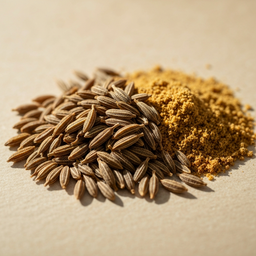 Cumin Garlic
 Double digestive support: enzymes + bioactive compounds
Technical: Cumin promotes digestive enzyme activity (amylase, lipase, protease) and increases bile flow. Garlic's allicin has broad bioactivity targeting pathogenic gut bacteria while sparing beneficial ones.
What does this mean for you? Fry garlic and cumin together as base for curries, soups and stews. Classic combination in virtually every cuisine in the world.
DigestionImmune System
Cumin Olive Oil Fat activates volatile oils and increases cuminaldehyde absorption
Technical: Cumin's active compounds (cuminaldehyde, cymene, terpinene) are volatile, fat-soluble compounds. Frying in olive oil extracts and stabilizes these compounds, and the fat improves their gut absorption.
What does this mean for you? Briefly fry cumin in olive oil before adding other ingredients (tadka/tempering). This is why Indian and Middle Eastern cuisines always fry cumin in oil.
DigestionAnti-inflammatoryBlood Sugar
Olive Oil Garlic Aglio e olio: allicin + oleocanthal via complementary biochemical pathways
Technical: Garlic contains allicin (formed when cutting/crushing) that influences HMG-CoA reductase (involved in lipid metabolism). Olive oil contains oleocanthal that modulates COX-1/2 enzymes. Together they influence lipid metabolism and prostaglandin cascade via complementary biochemical pathways. The fat also helps absorb fat-soluble garlic compounds.
What does this mean for you? Gently warm garlic in olive oil (don't burn!) as the base for many dishes. This is why 'aglio e olio' pasta is so beloved — two bioactive compounds that reinforce each other.
HeartImmune System
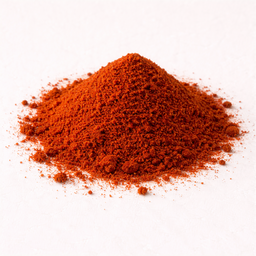 Paprika powder (sweet) Olive Oil
 3x better carotenoid absorption with fats
Technical: Paprika powder is extremely rich in carotenoids: beta-carotene, capsanthin and cryptoxanthin. These are all fat-soluble with only 5-10% absorption without fat. Olive oil or butter create micelles increasing absorption up to 3x. Additionally, vitamin E from olive oil protects carotenoids from oxidation.
What does this mean for you? Always briefly fry paprika powder in oil or butter before adding liquid. This activates the color and increases vitamin absorption up to 3x — the basis of Hungarian goulash.
Skin & HairImmune System
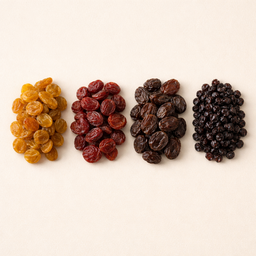 Raisins Almonds
 Quick + sustained energy for balanced fuel
Technical: Raisins contain 59g concentrated sugars per 100g (glucose + fructose) available as glycogen within 15-30 minutes. Nuts provide slow fuels: fats (49-65g per 100g), proteins (15-25g) and fiber providing 2-4 hours of energy. The fats slow absorption of raisin sugars, flattening the glycemic response. Nuts also contain magnesium (150-270mg) for energy metabolism.
What does this mean for you? Trail mix is scientifically sound: raisins for immediate energy, nuts for sustained fuel. Ideal as pre-workout, hiking snack or emergency rations. Choose a mix of walnuts, almonds and cashews for the broadest nutritional profile.
EnergyMuscle GainGeneral Wellness
Raisins Cinnamon Procyanidins + cinnamaldehyde for glycemic balance
Technical: Raisins contain procyanidins and catechins that inhibit alpha-amylase by 30-50%, slowing starch breakdown. Cinnamon's cinnamaldehyde (65-80% of essential oil) stimulates GLUT4 translocation to cell membrane, accelerating glucose uptake. Methylhydroxychalcone polymer (MHCP, 5mg/100g) amplifies this effect. Together: double glycemic dampening — raisins slow absorption, cinnamon accelerates glucose clearance from the blood. The glucose peak is dampened by cinnamon. Ideal for those monitoring glycemic response.
What does this mean for you? Mix raisins with cinnamon into oatmeal or rice pudding. The raisins provide natural sweetness and the cinnamon dampens the glycemic response. A simple addition with significant biochemical effect.
Blood SugarEnergyWeight Loss
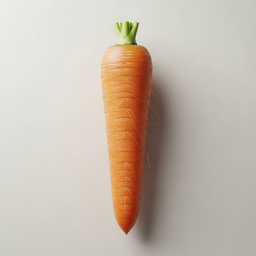 Carrot Olive Oil
 Up to 5x more beta-carotene absorption
Technical: Carrot contains 8285μg beta-carotene per 100g, but bioavailability from raw carrot is only 3-4%. Heating + olive oil increases this to 20-25%. Oleic acid (73% of olive oil) forms mixed micelles that efficiently transport beta-carotene to enterocytes for absorption.
What does this mean for you? Roast carrots with olive oil or eat them in a salad with dressing. Without fat you absorb only 3% of beta-carotene — with olive oil up to 5x more.
Skin & HairFocusImmune System
Ingredients (12)
+9 more ingredientsInstructions
- 1 Cut the carrots into pieces and mix with 2 tablespoons olive oil, cumin, paprika and cinnamon.
- 2 Roast for 35 minutes in the oven at 200°C until soft and caramelised.
Nutrition per serving
Indicative values per serving.
Timing & Suitability
Shelf life: 3 days in fridge
Tags & Diet
Allergens: Nuts