- Medium
- 35 min
- 2 serv.
- 13 synergies
- Now at its best: Potato
Classic Indonesian dish of cooked vegetables, fried tempeh and hard-boiled eggs, drenched in a rich peanut sauce made with peanut butter, coconut milk, soy sauce and lime. A complete meal on one plate.
Gado-Gado is the dish all of Indonesia agrees on. From Jakarta to Jogjakarta, from street carts to home kitchens — everywhere that plate of stacked vegetables with that thick, sweet, spicy peanut sauce poured over. The word literally means 'mix-mix', and that's exactly what you do: potato, green beans, bean sprouts, cabbage, cucumber, egg, everything on one plate. The tempeh goes crispy-fried on top of the stack. And then the sauce. Peanut butter, coconut milk, soy sauce, a chili pepper, lime juice — you blend it smooth and pour it over everything. Roasted peanuts on top for crunch. It's not a salad, it's not a hot dish, it's something in between. And it works.
- 20
- min prep
- 15
- min cook
- 35
- min total
Nutritional Synergies
This recipe combines ingredients that enhance each other:
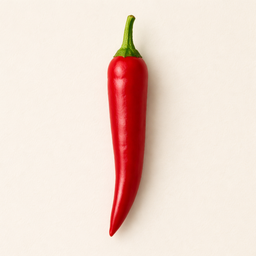 Chili Pepper (Fresh)
 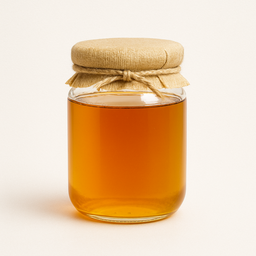 Honey
Honey Capsaicin + bee defensin: complementary bioactive action
Technical: Capsaicin has bioactive action against H. pylori and promotes mucus production in the GI tract. Raw honey contains hydrogen peroxide and bee defensin-1 — bioactive compounds working through broad-spectrum pathways. Capsaicin also stimulates mucosal blood flow, accelerating release of honey's bioactive compounds.
What does this mean for you? Honey-chili combination (hot honey) is tasty and functional. Honey soothes capsaicin's burn while both ingredients provide complementary bioactive compounds. Try on goat cheese or in tea.
Immune SystemDigestion
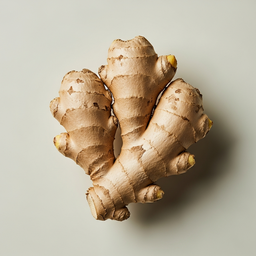 Ginger Honey
 Classic combination: warming herbal drink with honey
Technical: Ginger's gingerol modulates COX-2 and has antiemetic action (suppresses nausea via 5-HT3 receptor blockade). Honey's glucose oxidase produces hydrogen peroxide with bioactive action, while honey physically coats and soothes the throat. Together: bioactive modulation + throat protection.
What does this mean for you? Ginger tea with honey is a classic, warming combination. The ginger provides gingerol, the honey a smooth, sweet layer.
Immune System
Honey 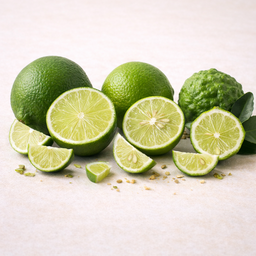 Lime
Lime Honey enzymes + vitamin C for dual immune support
Technical: Honey's glucose oxidase generates hydrogen peroxide with bioactive action. Lime's vitamin C (ascorbic acid) is a powerful antioxidant that directly supports immune cells. Together they provide both direct bioactive action and immune cell activation.
What does this mean for you? Honey-lime drink is a classic combination for good reason — it works through two different pathways for your immune support.
Immune SystemEnergyAnti-inflammatory
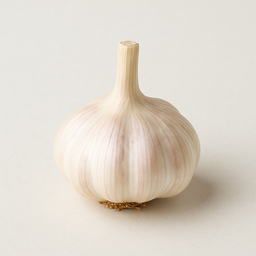 Garlic Ginger
 Allicin + gingerols: complementary bioactive action
Technical: Garlic's allicin works via thiol enzyme inhibition — effective against gram-positive bacteria (Staphylococcus, Streptococcus). Ginger's gingerols and shogaols influence viral replication and stimulate interferon production. Together they cover both bacterial and viral pathways.
What does this mean for you? Garlic-ginger tea is a classic combination. Garlic works via thiol enzymes, ginger via interferon pathways. Cut both fresh for maximum active compounds — allicin only forms after 10 minutes of air exposure.
Immune System
Garlic Honey Fermented: allicin + bee defensin in traditional condiment
Technical: Raw garlic contains alliin converted by alliinase to allicin — an organosulfur compound with bioactive properties — when cut. Raw honey contains hydrogen peroxide, bee defensin-1 and methylglyoxal. Fermenting garlic in honey increases bioavailability of S-allylcysteine (SAC), a more stable bioactive metabolite.
What does this mean for you? Submerge raw garlic cloves in raw honey and ferment for 2-4 weeks. You get a traditional condiment with concentrated bioactive compounds — an ancient fermentation technique that increases bioavailability.
Immune System
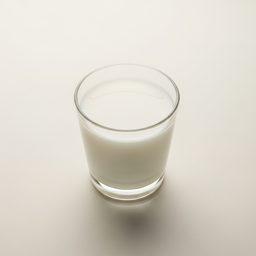 Coconut Milk Honey
 MCTs + prebiotics for gut flora and energy
Technical: Coconut milk contains lauric acid (MCT) that is quickly converted to energy. Honey contains prebiotic oligosaccharides (FOS) feeding beneficial gut bacteria. The combination offers quick energy plus gut flora support.
What does this mean for you? Add honey to coconut milk-based smoothies, chia puddings or warm drinks. The MCTs provide quick energy while the prebiotics feed your gut flora.
EnergyDigestionImmune System
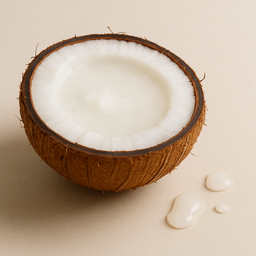 Coconut Oil Honey
 MCTs protect honey enzymes — complementary bioactive compounds
Technical: Coconut oil contains lauric acid (48%), a medium-chain fatty acid (MCT). Honey contains glucose oxidase producing hydrogen peroxide. Together they provide complementary bioactive compounds. MCTs also help preserve fat-soluble compounds in honey.
What does this mean for you? Combine coconut oil with honey in energy balls, granola or as coating for snacks. The combination is both flavorful and functional.
Immune SystemEnergyDigestion
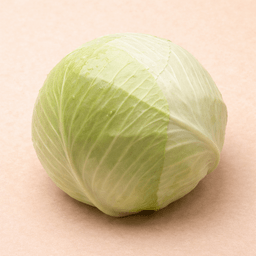 White Cabbage
 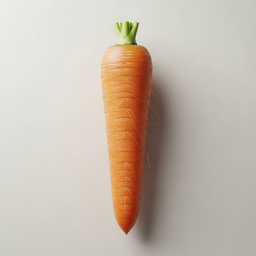 Carrot
 Glucosinolates + beta-carotene (provitamin A): complementary bioactive pathways
Technical: Cabbage contains glucosinolates converted to isothiocyanates (ITC) during digestion — compounds that modulate NF-κB signaling and activate phase-II enzymes. Carrot provides 8285μg beta-carotene per 100g — provitamin A that contributes to the normal function of the immune system (EFSA-approved). Together they offer two complementary bioactive pathways.
What does this mean for you? Coleslaw (cabbage-carrot salad) is more than a side dish. The raw combination maximizes both glucosinolates (heat-sensitive) and beta-carotene. Vitamin A contributes to normal immune system function.
Immune SystemAnti-inflammatory
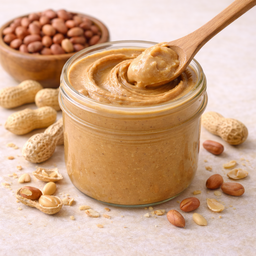 Peanut Butter Honey
 Protein + fast carbohydrates for post-workout recovery
Technical: After training, glycogen stores are depleted. Honey provides fast sugars (glucose + fructose) that replenish glycogen and stimulate insulin. Insulin triggers amino acid transport to muscles via the mTOR pathway, making muscle protein synthesis 20-30% higher than with protein alone. Optimal ratio is 3-4:1 carbs:protein.
What does this mean for you? Eat 2 tablespoons peanut butter with 1 tablespoon honey within 30 minutes after training. The honey replenishes your energy stores, the insulin spike helps shuttle protein from the peanut butter to your muscles faster.
Muscle GainEnergyGeneral Wellness
Peanut Butter Carrot Fat from nut butter increases carotenoid absorption by 3-6x
Technical: Carotenoids (beta-carotene, lutein, lycopene) in vegetables are fat-soluble and poorly absorbed without fat (5-10%). Nut butters contain 50-60g fat per 100g. Just 3-5g fat (1 tablespoon nut butter) increases carotenoid absorption to 30-60% — a 3-6x improvement. This applies to carrot, bell pepper, spinach and other colorful vegetables.
What does this mean for you? Dip veggie sticks in peanut butter or almond butter. The fat from the nut butter ensures your body absorbs 3-6x more vitamins from the vegetables.
Immune SystemSkin & HairGeneral Wellness
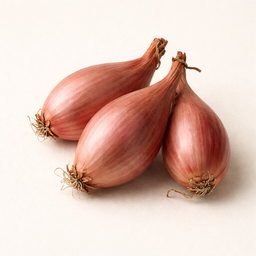 Shallot Garlic
 Complementary Allium sulfur compounds: >15 organosulfur in one combination
Technical: Shallots contain quercetin (32mg/100g) plus allyl propyl disulfide. Garlic contains allicin and ajoene. Together they provide >15 unique organosulfur compounds that influence platelet aggregation signaling and modulate fibrinolysis. Allium crops are intensively studied in epidemiological research.
What does this mean for you? Shallot and garlic together (base of many sauces and stews) combine more than 15 unique organosulfur compounds. The different Allium sulfur compounds complement each other through different biochemical pathways.
HeartAnti-inflammatory
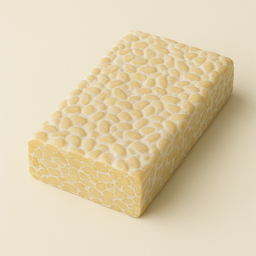 Tempeh Ginger
 Protein digestion + bioactive gingerols
Technical: Tempeh's Rhizopus oligosporus mycelium has already started protein breakdown during fermentation — proteins are partially hydrolyzed and more digestible. Ginger's gingerols speed up gastric emptying by ~25%. Together they optimize protein digestion: tempeh makes protein 'pre-digested', ginger accelerates further breakdown.
What does this mean for you? Fry tempeh with fresh ginger and tamari — a classic Indonesian preparation. The ginger not only helps flavor-wise but also ensures you maximize protein utilization from tempeh. Ideal after exercise.
DigestionAnti-inflammatory
Tempeh 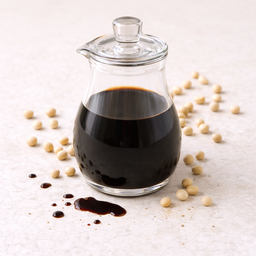 Soy Sauce
 Double fermented: complete umami + enhanced isoflavone absorption
Technical: Tempeh and soy sauce are both fermented from soybeans but through different processes. Tempeh contains Rhizopus oligosporus, soy sauce Aspergillus. Together they provide: complete amino acid profile, umami (glutamate from soy sauce enhances flavor), and increased isoflavone bioavailability through fermentation.
What does this mean for you? Marinate tempeh in soy sauce with ginger and garlic, then fry. This is the standard Indonesian preparation method.
Muscle GainHormonal Balance
Ingredients (19)
- Tempeh — 200 g sliced
-
 Eggs — 2 pcs hard-boiled
 -
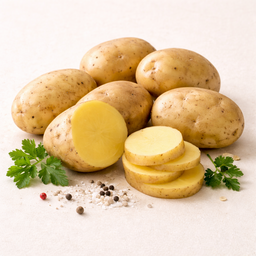 Potato — 150 g boiled, sliced
 -
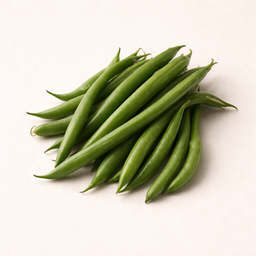 Green Beans — 150 g blanched
Instructions
- 1 Boil potatoes in salted water until just tender (15 min). Cool and slice.
- 2 Blanch green beans 3 min in boiling water, rinse with cold water. Blanch cabbage 1 min, rinse.
Nutrition per serving
Indicative values per serving.
Timing & Suitability
Shelf life: 3 days in fridge
Tags & Diet
Allergens: Nuts, Peanuts, Eggs, Soy