- Medium
- 70 min
- 4 serv.
- 15 synergies
- Now at its best: Garlic
A milder North Indian curry with tender chicken pieces in a velvety tomato sauce with garam masala, cashews and aromatic spices.
Butter Chicken — or Murgh Makhani, if you want to call it by its proper name — started as a way to give leftover tandoori chicken a second life. The sauce is the secret: tomatoes cooked down long with ginger, garlic and a handful of spices, then pureed with soaked cashews into something closer to velvet than sauce.
You marinate the chicken in yogurt with turmeric and cumin. Those thirty minutes of marinating are not optional — the lactic acid tenderizes the meat in a way you cannot rush. Then sear briefly in ghee until the outside is golden and the edges begin to caramelize.
When the chicken goes back into that creamy tomato sauce, all flavors come together. A spoonful of honey rounds off the acids. Cilantro over it, naan bread alongside, and you have a dish that explains why half the world fell in love with it.
- 40
- min prep
- 30
- min cook
- 70
- min total
Nutritional Synergies
This recipe combines ingredients that enhance each other:
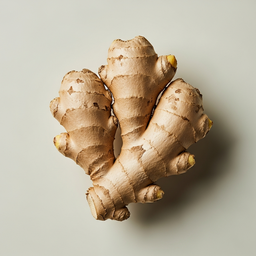 Ginger
 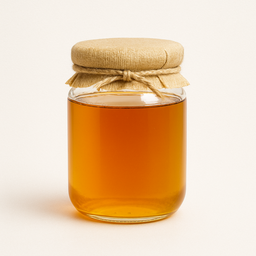 Honey
Honey Classic combination: warming herbal drink with honey
Technical: Ginger's gingerol modulates COX-2 and has antiemetic action (suppresses nausea via 5-HT3 receptor blockade). Honey's glucose oxidase produces hydrogen peroxide with bioactive action, while honey physically coats and soothes the throat. Together: bioactive modulation + throat protection.
What does this mean for you? Ginger tea with honey is a classic, warming combination. The ginger provides gingerol, the honey a smooth, sweet layer.
Immune System
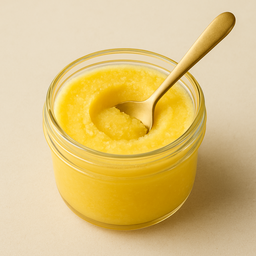 Ghee Ginger
 Ayurvedic digestive: gingerols + butyrate via complementary pathways
Technical: Ginger contains gingerols and shogaols that activate digestive enzymes and speed up gastric emptying. Ghee contains butyrate that nourishes gut epithelial cells. In the Ayurvedic tradition, this combination is used to activate 'agni' (digestive fire) and to better absorb fat-soluble gingerols.
What does this mean for you? Briefly sauté fresh ginger in ghee at the start of a meal, or add both to your rice or vegetables. This is a traditional Ayurvedic combination that combines two complementary pathways for your digestion.
DigestionAnti-inflammatory
Ghee 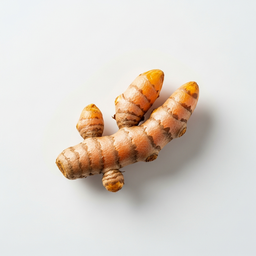 Turmeric
 Traditional Ayurvedic combination for maximum curcumin absorption
Technical: Curcumin is fat-soluble with only ~1% bioavailability without dietary fat. Ghee contains short- and medium-chain fatty acids that are rapidly absorbed, plus butyrate that nourishes gut epithelial cells. The saturated fats in ghee form stable micelles that make curcumin 7-8x more absorbable. In the Ayurvedic tradition, turmeric has been combined with ghee for 3000+ years (haldi doodh).
What does this mean for you? Melt a teaspoon of ghee and stir in turmeric and black pepper — this is the basis of 'golden milk' and one of the oldest food combinations in the world. Without the fat, you absorb almost none of the curcumin.
Anti-inflammatoryJoints
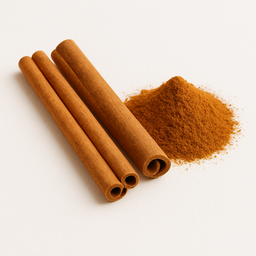 Cinnamon Honey
 Traditional warm combination of cinnamon and honey
Technical: Cinnamon contains cinnamaldehyde and proanthocyanidins with bioactive action via cell wall disruption. Honey's glucose oxidase produces hydrogen peroxide with bioactive action, while honey's high viscosity forms a physical barrier. Two independent bioactive mechanisms that work more broadly together.
What does this mean for you? Cinnamon + honey in warm tea — a classic combination. Both have bioactive action via different pathways — broader together than alone.
Immune System
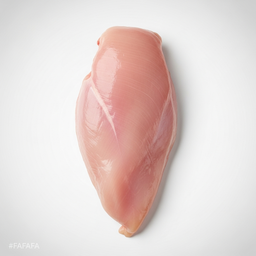 Chicken Breast Ginger
 Gingerols improve protein digestion and modulate the inflammatory response
Technical: Chicken breast contains 31g high-quality protein per 100g. Ginger contains gingerols that stimulate proteolytic enzymes (pepsin, trypsin), breaking down proteins more efficiently. Ginger also reduces formation of AGEs (Advanced Glycation End-products) when cooking meat.
What does this mean for you? Marinate chicken with fresh ginger or add ginger when cooking. This is the basis of many Asian chicken dishes (ginger chicken, congee) and improves both flavor and digestibility.
Muscle GainDigestionAnti-inflammatory
Chicken Breast Turmeric Classic curry combination with complementary bioactive action
Technical: Chicken breast provides 31g protein per 100g with high leucine content (2.4g) for muscle protein synthesis (mTOR activation). After intense exercise, inflammatory processes occur, in part via NF-κB signaling. Curcumin directly modulates NF-κB, supporting muscle recovery without blocking the adaptive training response. Chicken proteins provide building material, curcumin optimizes the recovery process.
What does this mean for you? Make a chicken-turmeric curry as a post-workout meal. The chicken provides proteins for muscle building, the turmeric may support muscle recovery after training. Add black pepper and coconut milk for optimal curcumin absorption.
Muscle GainAnti-inflammatory
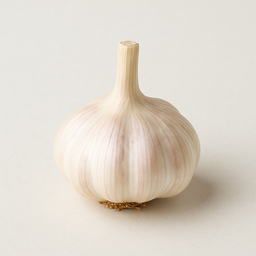 Garlic Ginger
 Allicin + gingerols: complementary bioactive action
Technical: Garlic's allicin works via thiol enzyme inhibition — effective against gram-positive bacteria (Staphylococcus, Streptococcus). Ginger's gingerols and shogaols influence viral replication and stimulate interferon production. Together they cover both bacterial and viral pathways.
What does this mean for you? Garlic-ginger tea is a classic combination. Garlic works via thiol enzymes, ginger via interferon pathways. Cut both fresh for maximum active compounds — allicin only forms after 10 minutes of air exposure.
Immune System
Garlic Honey Fermented: allicin + bee defensin in traditional condiment
Technical: Raw garlic contains alliin converted by alliinase to allicin — an organosulfur compound with bioactive properties — when cut. Raw honey contains hydrogen peroxide, bee defensin-1 and methylglyoxal. Fermenting garlic in honey increases bioavailability of S-allylcysteine (SAC), a more stable bioactive metabolite.
What does this mean for you? Submerge raw garlic cloves in raw honey and ferment for 2-4 weeks. You get a traditional condiment with concentrated bioactive compounds — an ancient fermentation technique that increases bioavailability.
Immune System
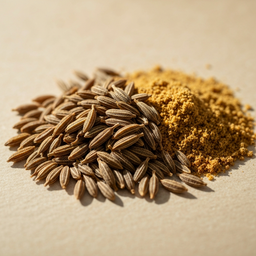 Cumin Garlic
 Double digestive support: enzymes + bioactive compounds
Technical: Cumin promotes digestive enzyme activity (amylase, lipase, protease) and increases bile flow. Garlic's allicin has broad bioactivity targeting pathogenic gut bacteria while sparing beneficial ones.
What does this mean for you? Fry garlic and cumin together as base for curries, soups and stews. Classic combination in virtually every cuisine in the world.
DigestionImmune System
Cumin Turmeric Classic curry base with enhanced digestion
Technical: Cumin promotes production of digestive enzymes (amylase, lipase, protease) and increases bile flow. Turmeric's curcumin modulates NF-κB and COX-2 signal transduction and supports hepatobiliary activity via bile stimulation. Together they provide enhanced digestion + bioactive action.
What does this mean for you? Cumin + turmeric is the base of every curry. The cumin promotes your digestion, the turmeric adds bioactive action — the perfect combination for a nutritious curry.
DigestionAnti-inflammatory
Cumin 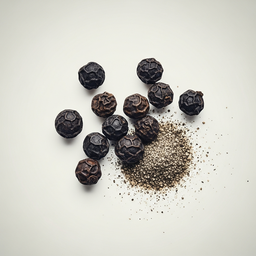 Black Pepper
 Piperine increases absorption of cumin's active compounds 2-3x
Technical: Cumin contains cuminaldehyde and thymoquinone with digestive-promoting and bioactive properties. Piperine from black pepper inhibits CYP3A4 enzymes, reducing breakdown and improving absorption 2-3x.
What does this mean for you? Always add black pepper to dishes with cumin. This is why many spice blends (garam masala, ras el hanout) contain both.
DigestionAnti-inflammatory
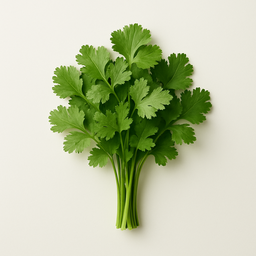 Ground coriander Turmeric
 Linalool + curcumin for enhanced bioactive action
Technical: Coriander's linalool and coriander oil are studied in relation to lipoxygenase modulation. Turmeric's curcumin modulates NF-κB and COX-2 signal transduction. Together they cover more bioactive signaling pathways than each herb alone.
What does this mean for you? Use coriander and turmeric together in curries and Indian dishes — a traditional combination that is scientifically supported.
Anti-inflammatoryDigestionAntioxidants
Turmeric Ginger Enhanced bioactive action via two pathways
Technical: Turmeric and ginger belong to the same plant family (Zingiberaceae). Curcumin (turmeric) modulates NF-kB, while gingerol (ginger) modulates COX-2 and LOX (lipoxygenase). Because they target different signaling pathways, they enhance each other's bioactive action.
What does this mean for you? Turmeric + ginger in curry, soup or tea — two related spices that work bioactively via different pathways. Broader together than alone.
Anti-inflammatoryJoints
Turmeric Black Pepper Increases curcumin absorption by 2000%
Technical: Curcumin from turmeric has bioavailability below 1% due to rapid glucuronidation in the liver. Piperine from black pepper inhibits UGT (UDP-glucuronosyltransferase) and CYP3A4, preventing curcumin breakdown. This increases bioavailability by 2000% (20x). Use ratio ¼ teaspoon pepper to 1 teaspoon turmeric.
What does this mean for you? ALWAYS add black pepper when using turmeric. Without pepper your body absorbs virtually nothing — with pepper 20x more. This is the most important food synergy there is.
Anti-inflammatoryJointsFocus
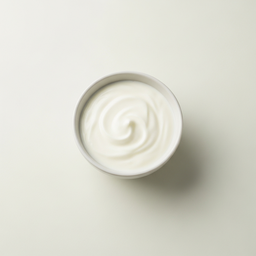 Yogurt Honey
 Synbiotic duo: prebiotic honey feeds probiotics from yogurt
Technical: Yogurt contains live probiotics that support gut flora diversity. Raw honey contains prebiotic oligosaccharides serving as food for these probiotics, plus glucose oxidase producing hydrogen peroxide. This synbiotic effect — honey feeds beneficial bacteria — provides complementary action that neither ingredient offers alone.
What does this mean for you? Use raw (unheated) honey in your yogurt. The honey is more than a sweetener — it actively feeds the beneficial bacteria from the yogurt, forming a synbiotic combination.
DigestionImmune System
Ingredients (13)
+10 more ingredientsInstructions
- 1 Marinate chicken in yogurt, turmeric, cumin and salt for 30 min.
- 2 Fry marinated chicken in ghee until golden, set aside.
Nutrition per serving
Indicative values per serving.
Timing & Suitability
Shelf life: 4 days in fridge
Tags & Diet
Allergens: Dairy, Nuts