- Easy
- 55 min
- 15 serv.
- 11 synergies
- Now at its best: Walnuts
Homemade granola with oats, almonds, walnuts, seeds and a touch of honey. Slowly baked for big, crunchy clusters.
That smell when the oven opens — toasted nuts, caramelising honey, a wisp of cinnamon lingering in the kitchen. On the tray lie golden-brown chunks you'd want to eat straight off the sheet, still warm. Break a cluster apart: crispy and glossy on the outside, packed with almonds, walnuts and pumpkin seeds inside. With a scoop of yoghurt and fresh fruit, this is the breakfast worth getting up for.
- 10
- min prep
- 45
- min cook
- 55
- min total
Nutritional Synergies
This recipe combines ingredients that enhance each other:
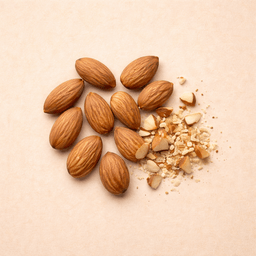 Almonds
 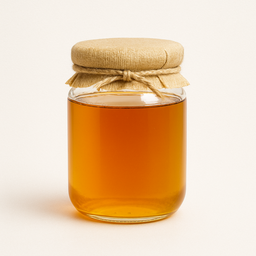 Honey
Honey Vitamin E + flavonoids for enhanced antioxidant protection
Technical: Almonds are rich in alpha-tocopherol (vitamin E), a fat-soluble antioxidant. Honey's flavonoids (chrysin, pinocembrin) are water-soluble antioxidants. Together they provide protection in both lipid and aqueous compartments of cells.
What does this mean for you? Almonds with a bit of honey is not just a classic snack, but gives your cells double antioxidant protection — in fat and water.
Anti-inflammatorySkin & HairImmune System
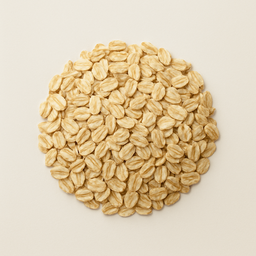 Rolled oats
 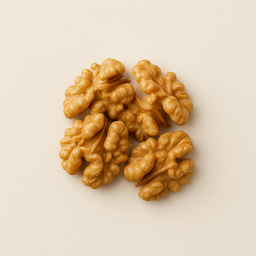 Walnuts
 Soluble fiber + omega-3 for lipid profile and cognition
Technical: Oatmeal's beta-glucans form a gel in the gut that binds bile acids. Walnuts provide ALA omega-3 (9g/100g), melatonin and ellagic acid. The combination supports the lipid profile via two routes: bile acid binding + omega-3 metabolism.
What does this mean for you? Oatmeal with walnuts is a breakfast classic that is genuinely synergistic. The beta-glucans and omega-3 both support your lipid profile, the melatonin in walnuts contributes to your circadian rhythm.
HeartFocus
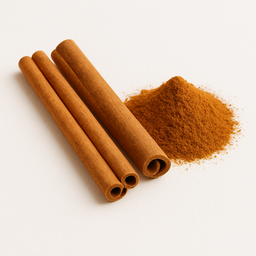 Cinnamon Rolled oats
 Flattens the sugar spike after carbohydrate-rich meals
Technical: Oatmeal contains complex carbohydrates that raise blood sugar. Cinnamon's MHCP (methylhydroxy chalcone polymers) increase insulin activity up to 20x and cinnamaldehyde activates AMPK, improving glucose transport to cells. This lowers postprandial glucose peak by 18-29% and extends satiety.
What does this mean for you? Always add cinnamon to your oatmeal, apple or banana bread. The cinnamon helps keep your blood sugar more stable after these carb-rich meals.
EnergyWeight Loss
Cinnamon Honey Traditional warm combination of cinnamon and honey
Technical: Cinnamon contains cinnamaldehyde and proanthocyanidins with bioactive action via cell wall disruption. Honey's glucose oxidase produces hydrogen peroxide with bioactive action, while honey's high viscosity forms a physical barrier. Two independent bioactive mechanisms that work more broadly together.
What does this mean for you? Cinnamon + honey in warm tea — a classic combination. Both have bioactive action via different pathways — broader together than alone.
Immune System
Cinnamon Walnuts Cinnamon's insulin sensitivity + walnut omega-3 for metabolic health
Technical: Cinnamaldehyde activates AMPK and improves insulin signaling, while walnuts' ALA (alpha-linolenic acid) and ellagitannins regulate fat metabolism via PPARγ activation. Together they improve glucose metabolism via two complementary pathways.
What does this mean for you? Sprinkle walnuts with cinnamon as a snack or in your oatmeal — a delicious combination that supports your blood sugar and fat metabolism.
Blood SugarHeartWeight Loss
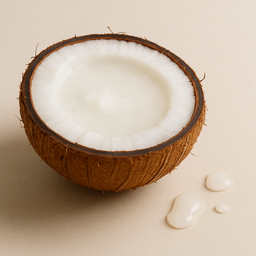 Coconut oil Almonds
 MCTs improve vitamin E absorption from almonds
Technical: Almonds contain 25mg vitamin E per 100g (167% RDI). Vitamin E is fat-soluble and better absorbed with MCTs that quickly pass the gut wall. Coconut oil contains 60% MCTs serving as transport.
What does this mean for you? Coat almonds with coconut oil and lightly roast for a crunchy snack with improved vitamin E absorption.
Skin & HairAnti-inflammatoryGeneral Wellness
Coconut oil Honey MCTs protect honey enzymes — complementary bioactive compounds
Technical: Coconut oil contains lauric acid (48%), a medium-chain fatty acid (MCT). Honey contains glucose oxidase producing hydrogen peroxide. Together they provide complementary bioactive compounds. MCTs also help preserve fat-soluble compounds in honey.
What does this mean for you? Combine coconut oil with honey in energy balls, granola or as coating for snacks. The combination is both flavorful and functional.
Immune SystemEnergyDigestion
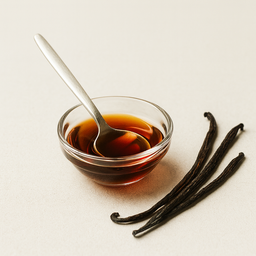 Vanilla extract Honey
 Vanillin antioxidant + honey enzymes for aroma and well-being
Technical: Vanilla extract contains vanillin (1-2%) — a powerful antioxidant 5x stronger than vitamin C in DPPH assay. Vanillin also has anxiolytic action via GABA-A receptor modulation and inhibits MAO-B (mood improvement). Honey's enzymes and prebiotic FOS enhance the well-being effect: gut bacteria produce 90% of serotonin. The combination is aromatic (vanillin + honey flavors) and therapeutic (antioxidant + prebiotic + anxiolytic).
What does this mean for you? Add a few drops of real vanilla extract to warm honey milk or tea. The vanilla calms your nervous system, the honey feeds your gut bacteria that produce serotonin — comfort food at a molecular level.
Stress ReliefSleep
Vanilla extract Cinnamon Vanillin + cinnamaldehyde reduce sugar craving
Technical: Vanillin activates sweet receptors (T1R2/T1R3) without providing calories, increasing perceived sweetness of dishes by 30-40%. Cinnamon's cinnamaldehyde activates AMPK and supports glucose uptake in cells, biochemically reducing sugar cravings. Together they lower the need for added sugar: vanilla makes sweeter (sensory), cinnamon supports glucose balance (metabolic).
What does this mean for you? Add vanilla extract + cinnamon to your coffee, oatmeal or yogurt instead of sugar. Your brain experiences sweetness but your glucose balance stays stable — the smartest way to eat less sugar.
Blood SugarWeight Loss
Walnuts Honey ALA omega-3 + enzymatic honey: complementary bioactive pathways
Technical: Walnuts' ALA (omega-3) influences prostaglandin metabolism via complementary biochemical pathways. Honey's glucose oxidase produces hydrogen peroxide. Together they provide two complementary bioactive pathways: walnuts via the omega-3 → prostaglandin pathway, honey via enzymatic activity.
What does this mean for you? Walnuts with honey is a classic combination — the omega-3 fatty acids influence prostaglandin metabolism, honey provides enzymes such as glucose oxidase. Two complementary pathways in one snack.
HeartImmune SystemEnergy
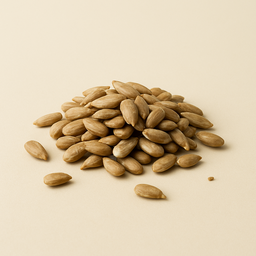 Sunflower seeds
 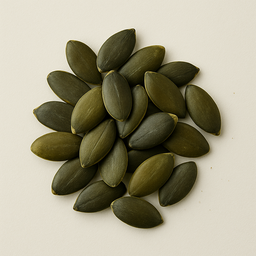 Pumpkin seeds
 Broad mineral spectrum: zinc + magnesium + selenium
Technical: Sunflower seeds provide selenium (53μg/100g, 96% RDA) and vitamin E (35mg). Pumpkin seeds add zinc (7.6mg, 51% RDA). Sesame seeds bring calcium (975mg, 97% RDA). Together these three seed types cover a broad mineral spectrum: selenium for thyroid and immune system, zinc for cell division and hormones, calcium for bones and muscle contraction.
What does this mean for you? Make a seed mix of sunflower seeds, pumpkin seeds and sesame seeds. Sprinkle over salads, yogurt or bread. Three seeds that together fill multiple mineral gaps.
Immune SystemHormonal Balance
Instructions
- 1 Preheat the oven to 150°C. Line a large baking sheet with parchment paper.
- 2 Mix oats, almonds, walnuts, pumpkin seeds, sunflower seeds, cinnamon and sea salt in a large bowl.
Nutrition per serving
Indicative values per serving.
Timing & Suitability
Shelf life: 21 days in fridge
Tags & Diet
Allergens: Nuts, Gluten