- Medium
- 35 min
- 2 serv.
- 9 synergies
- Now at its best: Cauliflower
Tender grilled fish fillet with a golden-brown crust, served on velvety cauliflower purée with garlic. Fresh dill and a squeeze of lemon juice complete this light paleo dinner.
The fish comes off the grill pan with those distinctive marks and a crispy crust that cracks the moment you cut in. Underneath lies a bed of creamy cauliflower purée — so smooth and silky you forget there's no potato in it. The garlic adds a subtle warmth, while fresh dill provides that distinctively fresh, slightly sweet aroma that pairs so well with fish. A generous squeeze of lemon juice brings it all together: bright, light and satisfying.
- 15
- min prep
- 20
- min cook
- 35
- min total
Nutritional Synergies
This recipe combines ingredients that enhance each other:
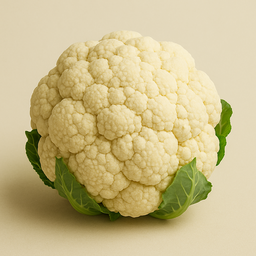 Cauliflower
 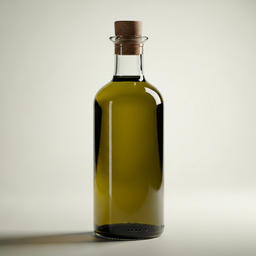 Olive Oil
 Olive oil improves absorption of cauliflower's vitamin K and sulforaphane
Technical: Cauliflower contains vitamin K and glucosinolates converted to sulforaphane. Olive oil's fats improve absorption of fat-soluble vitamin K, while light roasting in olive oil optimizes glucosinolate conversion to sulforaphane.
What does this mean for you? Roast cauliflower with olive oil — this is the best way to maximize the bioactive compounds from cauliflower.
Anti-inflammatoryImmune SystemAntioxidants
Olive Oil 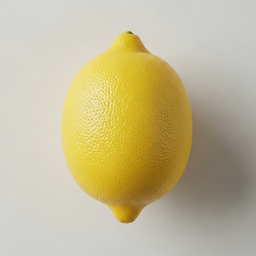 Lemon
Lemon Oleic acid + citric acid: complementary pathways for glycemic response
Technical: Lemon contains citric acid that slows gastric emptying, causing carbohydrates from the meal to be absorbed more slowly. Olive oil's fats reinforce this effect by further influencing glycemic response. Together they influence the postprandial glucose response via two complementary mechanisms. Olive oil's oleocanthal and lemon's vitamin C additionally provide complementary antioxidant action.
What does this mean for you? A simple dressing of olive oil and lemon juice over your salad is one of the smartest combinations you can make. The two mechanisms (delayed gastric emptying + fat slowing) work together to influence the glucose response after your meal.
EnergyDigestion
Olive Oil 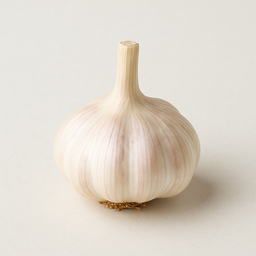 Garlic
 Aglio e olio: allicin + oleocanthal via complementary biochemical pathways
Technical: Garlic contains allicin (formed when cutting/crushing) that influences HMG-CoA reductase (involved in lipid metabolism). Olive oil contains oleocanthal that modulates COX-1/2 enzymes. Together they influence lipid metabolism and prostaglandin cascade via complementary biochemical pathways. The fat also helps absorb fat-soluble garlic compounds.
What does this mean for you? Gently warm garlic in olive oil (don't burn!) as the base for many dishes. This is why 'aglio e olio' pasta is so beloved — two bioactive compounds that reinforce each other.
HeartImmune System
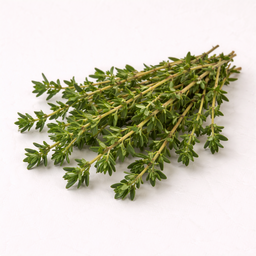 Thyme (Fresh) Garlic
 Double bioactive action via complementary mechanisms
Technical: Thyme's thymol disrupts cell membranes of microorganisms via lipophilic insertion. Garlic's allicin inhibits microbial enzymes (cysteine proteases). Two independent bioactive mechanisms — membrane disruption (thyme) + enzyme inhibition (garlic) — provide broader spectrum coverage than each ingredient alone.
What does this mean for you? Use thyme and garlic together in sauces, soups and marinades. Two bioactive ingredients working through different routes — the foundation of Provençal cuisine.
Immune System
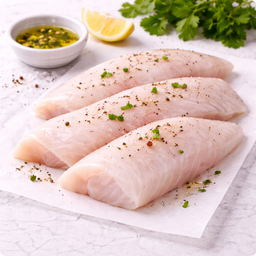 White Fish Lemon
 Vitamin C improves mineral absorption from white fish
Technical: White fish (cod, tilapia, plaice) contains 0.3mg iron, 32μg selenium and 18-20g protein per 100g. Vitamin C from lemon reduces Fe³⁺ to Fe²⁺ forming soluble chelates. The acidic environment also improves protein denaturation making peptides more accessible to pepsin and trypsin.
What does this mean for you? Fish with lemon is a universal combination for good reason. Lemon juice improves mineral absorption and makes protein more digestible. Fish and chips with lemon? Scientifically justified!
EnergyGeneral Wellness
White Fish 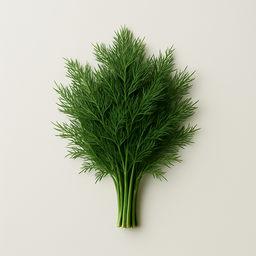 Dill
Dill Lean protein + carveol for digestion and antioxidant protection
Technical: White fish provides 18-20g lean protein per 100g with all essential amino acids. Dill contains carveol and limonene (monoterpenes) with carminative and antioxidant action. Dill's essential oils also activate CCK (cholecystokinin) release, improving fat emulsification with fried fish. Dill also contains 43mg vitamin C per 100g.
What does this mean for you? Fish with dill is a Northern European classic (gravlax, potato soup with fish). Dill aids digestion and contains antioxidants. Especially good with light white fish.
DigestionGeneral Wellness
 Sea Salt Lemon
 Trace minerals + vitamin C for electrolytes and immune system
Technical: Unrefined sea salt contains 80+ trace elements (magnesium 0.5%, potassium 0.4%, calcium 0.1%, plus iodine, zinc, selenium in trace amounts) alongside sodium. Lemon's vitamin C improves absorption of non-heme iron and zinc from sea salt. Sodium + potassium together regulate cellular osmosis. Vitamin C is also essential for collagen synthesis where sea salt minerals serve as cofactors.
What does this mean for you? A glass of warm water with a pinch of unrefined sea salt and lemon juice in the morning is an effective hydration ritual. The minerals + vitamin C start your day with good electrolyte balance.
EnergyImmune System
Sea Salt Olive Oil Minerals + polyphenols for cellular balance
Technical: Sea salt's sodium is essential for the sodium-potassium pump (Na+/K+-ATPase) that regulates every body cell. Olive oil's oleuropein and hydroxytyrosol provide antioxidant protection for cell membranes. The combination supports cell integrity: sea salt regulates ion balance, olive oil protects the membrane. In Mediterranean cuisine, coarse sea salt + olive oil is the most basic flavor profile.
What does this mean for you? Freshly ground sea salt with extra virgin olive oil is the simplest and most nutritious finishing of any dish. The combination provides the basic needs of your cells: minerals for function, polyphenols for protection.
HeartGeneral Wellness
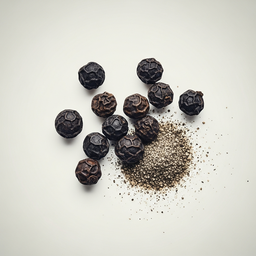 Black Pepper Olive Oil
 Fat increases piperine absorption and enhances polyphenols
Technical: Piperine is fat-soluble and absorbed 2-3x better with dietary fat. Olive oil's oleocanthal and piperine both modulate COX signal transduction through different mechanisms, providing additive bioactive effect.
What does this mean for you? Grind fresh pepper over salads with olive oil dressing. The combination enhances both pepper absorption and bioactive action.
Anti-inflammatoryHeartDigestion
Instructions
- 1 Cut the cauliflower into florets. Boil in plenty of salted water for 12-15 minutes until tender. Drain and let steam off briefly.
Nutrition per serving
Indicative values per serving.
Timing & Suitability
Shelf life: 3 days in fridge
Tags & Diet
Allergens: Fish