- Medium
- 65 min
- 2 serv.
- 4 synergies
- Now at its best: Cauliflower
A golden cauliflower crust with almond flour, mozzarella, egg and oregano. Topped with tomato passata, soft goat cheese, cherry tomatoes, arugula and basil.
This cauliflower pizza depends on one crucial step: squeezing the cauliflower until it feels almost dry. Only then does the crust become firm enough to hold and golden enough at the edges. Almond flour gives the base a gentle nutty flavor, mozzarella helps bind it, and oregano brings that familiar pizza aroma straight away. The topping stays intentionally simple: tomato passata, creamy goat cheese and sweet cherry tomatoes. After baking, arugula and basil make the pizza fresh and lively. It is not a classic dough pizza, but it is a surprisingly satisfying lighter version that still feels like pizza.
- 30
- min prep
- 35
- min cook
- 65
- min total
Nutritional Synergies
This recipe combines ingredients that enhance each other:
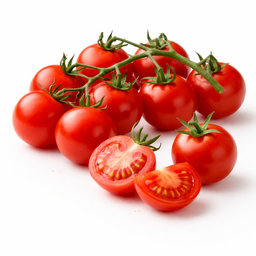 Cherry tomatoes
 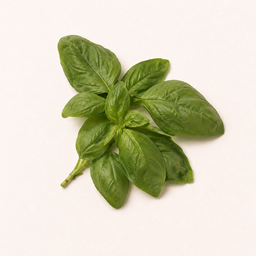 Fresh basil
 Lycopene + eugenol: two complementary bioactive pathways
Technical: Cherry tomatoes contain lycopene (carotenoid) and basil contains eugenol and rosmarinic acid (phenol compounds). They work through different biochemical pathways: lycopene quenches singlet oxygen, eugenol neutralizes free radicals via electron donation.
What does this mean for you? Tomato with basil (caprese!) is not just a flavor classic — the combination delivers two entirely different categories of bioactive compounds. Each with its own mechanism. Add olive oil to better absorb the fat-soluble lycopene.
Anti-inflammatoryHeartSkin & Hair
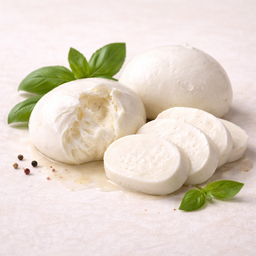 Shredded mozzarella Fresh basil
 Caprese trio: calcium + eugenol + oleocanthal — bioactive compounds optimally absorbed
Technical: Mozzarella provides calcium (403mg/100g) and CLA (conjugated linoleic acid, 0.4-0.6%). Basil contains eugenol (12-18mg/g dry weight) and olive oil provides oleocanthal (0.2mg/ml) — bioactive compounds studied in research in connection with NF-κB and COX signaling. Fat from mozzarella and olive oil dissolves eugenol better, aiding absorption.
What does this mean for you? Caprese salad (mozzarella + basil + olive oil + tomato) is the epitome of functional Italian cuisine. Each ingredient enhances the other — the combination contains bioactive compounds working via three different biochemical pathways.
Anti-inflammatoryJointsHeart
Shredded mozzarella 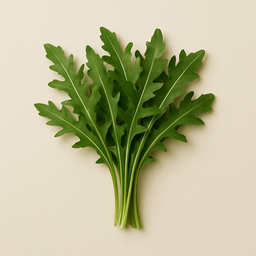 Arugula
 Mozzarella fat increases arugula nitrate and vitamin K absorption
Technical: Arugula contains 480mg nitrates per 100g converted to NO (nitric oxide) via nitrate→nitrite→NO pathway. NO dilates blood vessels through vasodilation. Mozzarella's fat (16-24g/100g) improves absorption of fat-soluble vitamin K from arugula (108.6μg/100g = 90% RDI). Studies show nitrates with fat are absorbed 20-30% better through improved intestinal transit and micelle formation.
What does this mean for you? Arugula-mozzarella salad is a smart combination. The arugula provides nitrates that relax blood vessels via NO, the mozzarella ensures you absorb vitamin K — vitamin K contributes to normal blood clotting (EFSA). Classic Italian combination with scientific foundation.
HeartJoints
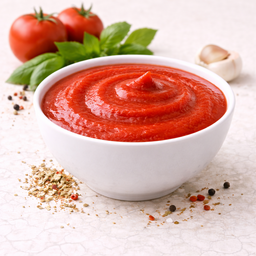 Tomato passata Fresh basil
 Heated + fats = 5x more lycopene absorption
Technical: Tomato passata is already heated, releasing lycopene from cell walls in cis-form (better absorbable than trans-lycopene in raw tomato). Olive oil fats create micelles transporting this released lycopene through the gut wall. Basil adds eugenol (COX-2 inhibitor). Absorption increases up to 5x.
What does this mean for you? Make pasta sauce with tomato passata, olive oil and basil. You absorb up to 5x more lycopene than from raw tomato — great for your heart and skin.
HeartSkin & Hair
Ingredients (12)
-
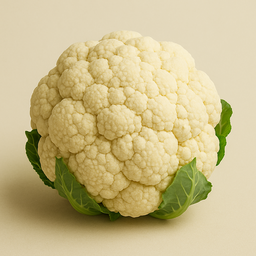 Cauliflower — 500 g in florets, about 1 medium cauliflower
 -
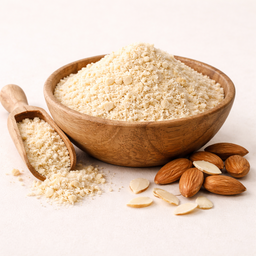 Almond flour — 50 g
 - Shredded mozzarella — 100 g for the crust, choose halal or vegetarian rennet
Instructions
- 1 Preheat the oven to 220°C top/bottom heat. Line a baking sheet with parchment paper.
- 2 Pulse the cauliflower florets in a food processor until they are the size of rice grains.
Nutrition per serving
Indicative values per serving.
Timing & Suitability
Shelf life: 2 days in fridge
Tags & Diet
Allergens: Dairy, Eggs, Nuts