- Medium
- 45 min
- 2 serv.
- 6 synergies
- Now at its best: Onion
A fragrant Vietnamese pho with thinly sliced beef, rice noodles, warm beef broth, ginger, star anise and cinnamon. Bean sprouts, lime, cilantro and Thai basil make every bowl fresh and lively.
A good pho does not begin with haste, but with aroma. Onion, ginger, star anise and cinnamon are briefly toasted until the kitchen smells warm and spiced. Then the beef broth gets time to absorb that deep, clear flavour. In the bowl, soft rice noodles and paper-thin beef are waiting; the boiling-hot broth does the rest, cooking the meat just enough. Bean sprouts add crunch, cilantro brings freshness, lime adds brightness and Thai basil gives that unmistakable green perfume. The result is not a heavy stew-like soup, but a steaming bowl that smells rich, tastes clear and is truly finished at the table.
- 15
- min prep
- 30
- min cook
- 45
- min total
Nutritional Synergies
This recipe combines ingredients that enhance each other:
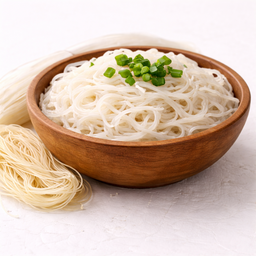 Rice Noodles
 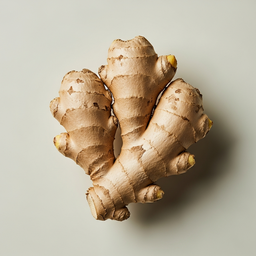 Ginger
 Mild carbohydrates + gingerols for digestion and warmth
Technical: Rice noodles are gluten-free and easily digestible with moderate starch (24g/100g cooked). Ginger contains gingerols and shogaols that promote gastric motility via 5-HT3 antagonism and prokinetic action. Gingerols increase production of digestive enzymes.
What does this mean for you? Rice noodles with ginger is a classic Asian combination that's easily digestible. The ginger keeps your digestion active while the noodles provide gentle energy.
DigestionImmune System
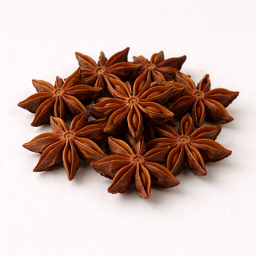 Star Anise Ginger
 Enhanced digestion and bioactive action
Technical: Star anise contains shikimic acid and anethole, plant compounds with broad bioactivity. Ginger's gingerol is studied for similar bioactive properties and combats nausea via 5-HT3 receptor blockade. Together: broad bioactive + antiemetic action.
What does this mean for you? Make tea from star anise and ginger as a warm, spicy drink. The star anise provides shikimic acid, the ginger a spicy warmth — a powerful combination.
Immune SystemDigestion
Star Anise 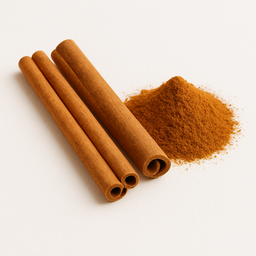 Cinnamon
 Anethole + cinnamaldehyde for blood sugar and bioactive action
Technical: Star anise contains anethole (80-90% of essential oil) that inhibits α-glucosidase — the enzyme that breaks down carbohydrates in the gut. Cinnamon's cinnamaldehyde activates AMPK for insulin-independent glucose uptake. Together they inhibit carbohydrate digestion (star anise) and improve glucose uptake in cells (cinnamon). Both also contain bioactive phenolic compounds traditionally valued in food preservation: star anise effective against E. coli, cinnamon against Candida.
What does this mean for you? Add star anise and cinnamon together to stews, chai or compote. The combination is traditional in Chinese five-spice and lowers the blood sugar impact of sweet dishes.
Blood SugarImmune System
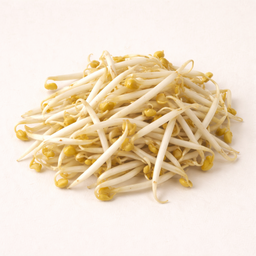 Bean Sprouts (Mung) Rice Noodles
 Amylase enzymes from sprouts improve starch digestion
Technical: Bean sprouts (sprouted mung beans) contain active α-amylase and other hydrolytic enzymes activated during germination. These break starch chains (amylose and amylopectin) into maltose and glucose. This lowers the glycemic index of rice by 15-20% and slows the postprandial glycemic response.
What does this mean for you? Add bean sprouts to your rice dish (nasi goreng, fried rice). Sprout enzymes help break down rice starch, slowing the glycemic response. A classic Asian combination with nutritional backing.
DigestionBlood Sugar
Bean Sprouts (Mung) 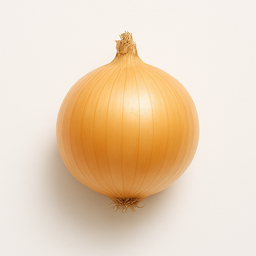 Onion
Onion Sprout enzymes + quercetin for digestion and cell support
Technical: Bean sprout's active enzymes (amylase, protease) are activated during germination and support starch and protein digestion. Onion contains quercetin (20-40mg/100g) — a flavonoid intensively studied in science. Onion's fructo-oligosaccharides also feed Bifidobacterium. Together they optimize digestion and provide a broad spectrum of bioactive compounds.
What does this mean for you? Bean sprouts with onion in stir-fry or fried rice is a classic Asian combination. Sprout enzymes support digestion, onion's quercetin adds an extra bioactive dimension.
DigestionAnti-inflammatory
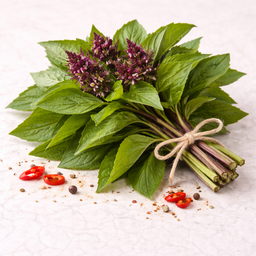 Thai Basil Ginger
 Anise-like basil + gingerols for Asian aromatherapy and digestion
Technical: Thai basil's estragole relaxes smooth muscles of the digestive tract via calcium channel blockade. Ginger's gingerols promote gastric motility via 5-HT3 antagonism — the opposite but complementary mechanism. Together they prevent both spasms (basil) and stagnation (ginger). Both also contain volatile oils that promote bile flow. This is the scientific basis behind the Thai cuisine combination.
What does this mean for you? Thai basil and ginger are the backbone of Thai cuisine (pad krapao, curries). They make fatty dishes more digestible — Thai cuisine isn't easily digestible despite rich flavors by accident.
DigestionAnti-inflammatory
Ingredients (11)
-
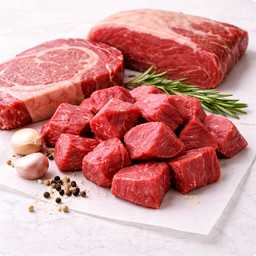 Beef — 250 g very thinly sliced, halal if needed
 - Rice Noodles — 200 g flat pho noodles
-
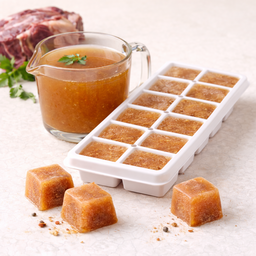 Beef Stock — 800 ml warm, good-quality
Instructions
- 1 Heat a dry skillet over medium heat and toast the halved onion, ginger, star anise and cinnamon stick for 2-3 minutes, until fragrant and lightly coloured.
- 2 Add the beef broth, toasted onion, ginger, star anise and cinnamon to a large soup pot.
Nutrition per serving
Indicative values per serving.
Timing & Suitability
Shelf life: 4 days in fridge