- Easy
- 10 min
- 2 serv.
- 4 synergies
- Now at its best: Honey
A concentrated morning shot with fresh turmeric, ginger, lemon and black pepper. The pepper significantly increases the absorption of curcumin from turmeric.
It starts with the peeling — the turmeric stains your fingers golden-yellow immediately, and the ginger spreads that sharp, almost peppery scent that prickles your nose before you've even cut a piece. Through the slow juicer comes a thick, dark yellow juice that borders on orange. The lemon juice goes in last: a bright yellow streak through the dark turmeric juice. Then that pinch of black pepper — nearly invisible, but essential. The first sip burns slightly on your tongue, the ginger bites, the lemon pulls your mouth together, and the turmeric leaves an earthy, bitter aftertaste that slowly fades. It's not a drink to savour — it's a drink to wake up to.
- 10
- min prep
- 0
- min cook
- 10
- min total
Nutritional Synergies
This recipe combines ingredients that enhance each other:
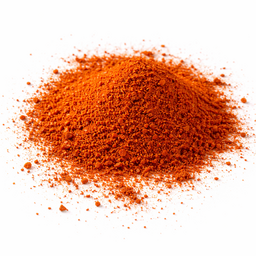 Cayenne Pepper
 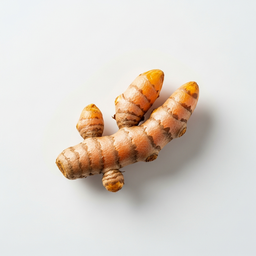 Turmeric
 Capsaicin increases curcumin absorption
Technical: Capsaicin from cayenne increases intestinal mucosa permeability via TRPV1 activation, allowing larger molecules like curcumin to be better absorbed. This mechanism is similar to but independent from the piperine effect. Capsaicin's thermogenic action also enhances blood flow to the gut.
What does this mean for you? Combine cayenne with turmeric in curries or soups. The cayenne helps your gut absorb more curcumin — a different mechanism than black pepper, so adding both is optimal.
Anti-inflammatoryJoints
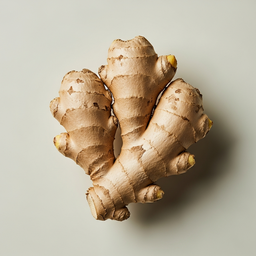 Ginger
 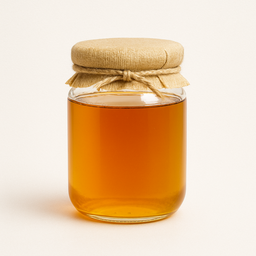 Honey
Honey Classic combination: warming herbal drink with honey
Technical: Ginger's gingerol modulates COX-2 and has antiemetic action (suppresses nausea via 5-HT3 receptor blockade). Honey's glucose oxidase produces hydrogen peroxide with bioactive action, while honey physically coats and soothes the throat. Together: bioactive modulation + throat protection.
What does this mean for you? Ginger tea with honey is a classic, warming combination. The ginger provides gingerol, the honey a smooth, sweet layer.
Immune System
Turmeric Ginger Enhanced bioactive action via two pathways
Technical: Turmeric and ginger belong to the same plant family (Zingiberaceae). Curcumin (turmeric) modulates NF-kB, while gingerol (ginger) modulates COX-2 and LOX (lipoxygenase). Because they target different signaling pathways, they enhance each other's bioactive action.
What does this mean for you? Turmeric + ginger in curry, soup or tea — two related spices that work bioactively via different pathways. Broader together than alone.
Anti-inflammatoryJoints
Turmeric 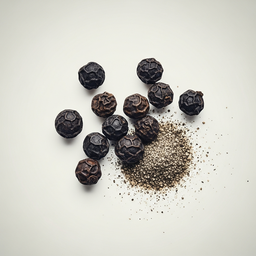 Black Pepper
 Increases curcumin absorption by 2000%
Technical: Curcumin from turmeric has bioavailability below 1% due to rapid glucuronidation in the liver. Piperine from black pepper inhibits UGT (UDP-glucuronosyltransferase) and CYP3A4, preventing curcumin breakdown. This increases bioavailability by 2000% (20x). Use ratio ¼ teaspoon pepper to 1 teaspoon turmeric.
What does this mean for you? ALWAYS add black pepper when using turmeric. Without pepper your body absorbs virtually nothing — with pepper 20x more. This is the most important food synergy there is.
Anti-inflammatoryJointsFocus
Instructions
- 1 Peel turmeric and ginger and cut into pieces.
Nutrition per serving
Indicative values per serving.
Timing & Suitability
Shelf life: 3 days in fridge