- Medium
- 25 min
- 2 serv.
- 8 synergies
- Now at its best: Garlic
A low-carb twist on the classic Pad Thai: crispy fried tempeh strips with spiralised zucchini noodles, carrot strips and a creamy peanut sauce of peanut butter, tamari, lemon juice and ginger. Finished with chopped peanuts and spring onion.
A steaming wok of colour and texture: crispy fried tempeh strips with a golden crust, curling zucchini noodles that still have their bite, and fine carrot strips in a glossy peanut sauce. The sauce — creamy from the peanut butter, spicy from the ginger, savoury from the tamari and fresh from the lemon juice — coats every ingredient like a thin, shiny jacket. On top, a generous sprinkle of chopped peanuts for crunch and spring onion rings for a sharp, oniony bite. Asian comfort food without the carb bonus.
- 15
- min prep
- 10
- min cook
- 25
- min total
Nutritional Synergies
This recipe combines ingredients that enhance each other:
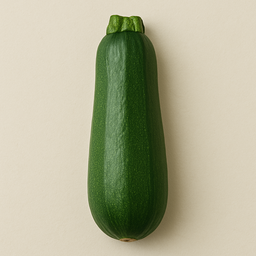 Zucchini
 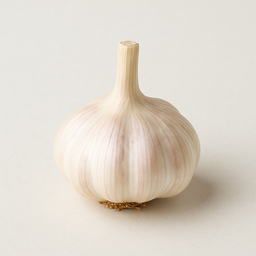 Garlic
 Potassium + allicin: complementary mineral-sulfur pathway
Technical: Zucchini contains 261mg potassium per 100g — potassium contributes to the maintenance of normal blood pressure (EFSA-approved). Garlic's allicin influences angiotensin-converting enzyme (ACE) and stimulates NO production via the nitrate-nitrite-NO pathway. Together they influence vascular physiology via two complementary mechanisms: electrolyte balance and NO signaling.
What does this mean for you? Sautéed zucchini with garlic is a simple side dish with two pathways influencing vascular physiology. Potassium from zucchini and allicin from garlic work complementarily. Add olive oil for extra polyphenols.
HeartAnti-inflammatory
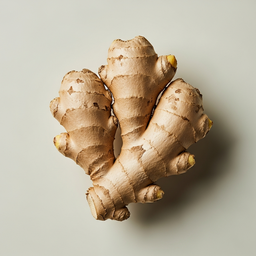 Ginger
 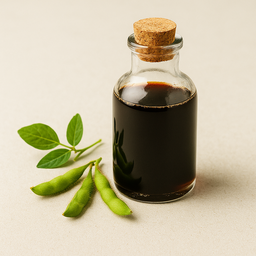 Tamari
 Asian umami base with bioactive action
Technical: Ginger contains gingerols and shogaols that modulate COX-2. Tamari (gluten-free soy sauce) provides umami flavor plus fermented compounds supporting gut flora. Together they form the base of many Asian dishes and offer both flavor and bioactive action.
What does this mean for you? Ginger + tamari is the base of stir-fries, marinades and dressings. Two ingredients that enhance each other's flavor and combine bioactive compounds.
DigestionAnti-inflammatory
Garlic Ginger Allicin + gingerols: complementary bioactive action
Technical: Garlic's allicin works via thiol enzyme inhibition — effective against gram-positive bacteria (Staphylococcus, Streptococcus). Ginger's gingerols and shogaols influence viral replication and stimulate interferon production. Together they cover both bacterial and viral pathways.
What does this mean for you? Garlic-ginger tea is a classic combination. Garlic works via thiol enzymes, ginger via interferon pathways. Cut both fresh for maximum active compounds — allicin only forms after 10 minutes of air exposure.
Immune System
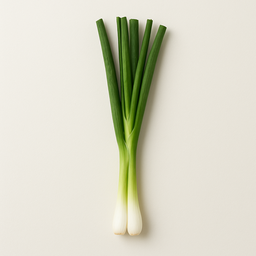 Spring Onion
 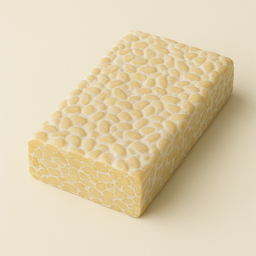 Tempeh
 Allicin improves iron absorption from plant sources
Technical: Tofu contains 5.4mg non-heme iron per 100g, but also phytate (inositol hexaphosphate) that binds iron. Green onion's sulfur compounds (allyl sulfides) reduce phytate binding through pH lowering in the gut. Vitamin C in green onion (18.8mg/100g) reduces Fe³⁺ to Fe²⁺ for better absorption via DMT-1 transport proteins.
What does this mean for you? Always garnish tofu with green onion — the sulfur compounds free iron that would otherwise remain bound to phytate. Essential for vegetarians and vegans relying on plant-based iron.
EnergyGeneral Wellness
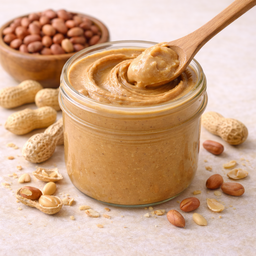 Peanut Butter
 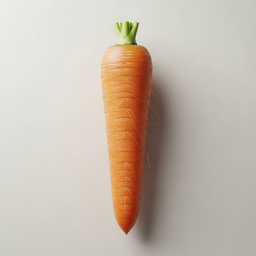 Carrot
 Fat from nut butter increases carotenoid absorption by 3-6x
Technical: Carotenoids (beta-carotene, lutein, lycopene) in vegetables are fat-soluble and poorly absorbed without fat (5-10%). Nut butters contain 50-60g fat per 100g. Just 3-5g fat (1 tablespoon nut butter) increases carotenoid absorption to 30-60% — a 3-6x improvement. This applies to carrot, bell pepper, spinach and other colorful vegetables.
What does this mean for you? Dip veggie sticks in peanut butter or almond butter. The fat from the nut butter ensures your body absorbs 3-6x more vitamins from the vegetables.
Immune SystemSkin & HairGeneral Wellness
 Sesame Oil Ginger
 Asian cooking base: lignans + gingerols via complementary pathways
Technical: Sesame oil contains sesamin and sesamolin (lignans) with antioxidant action. Ginger contains gingerols that modulate COX-2. Both compounds influence NF-κB via complementary mechanisms. The fat in sesame oil also improves absorption of fat-soluble gingerols.
What does this mean for you? Start Asian dishes with sesame oil + ginger as flavor base. This is the fundamental start of wok dishes and combines two bioactive compounds via complementary pathways.
Anti-inflammatoryDigestion
Tamari Sesame Oil Fermented soy isoflavones + sesamol for antioxidant protection
Technical: Tamari contains fermentation-released isoflavones (genistein, daidzein) that work synergistically with sesame oil's sesamol and sesaminol. Together they provide broader antioxidant protection via different radical scavenging mechanisms.
What does this mean for you? A splash of tamari with sesame oil as dressing or stir-fry sauce gives not only umami flavor but also a double antioxidant effect.
Anti-inflammatoryHeartSkin & Hair
Tempeh Ginger Protein digestion + bioactive gingerols
Technical: Tempeh's Rhizopus oligosporus mycelium has already started protein breakdown during fermentation — proteins are partially hydrolyzed and more digestible. Ginger's gingerols speed up gastric emptying by ~25%. Together they optimize protein digestion: tempeh makes protein 'pre-digested', ginger accelerates further breakdown.
What does this mean for you? Fry tempeh with fresh ginger and tamari — a classic Indonesian preparation. The ginger not only helps flavor-wise but also ensures you maximize protein utilization from tempeh. Ideal after exercise.
DigestionAnti-inflammatory
Instructions
- 1 Spiralise the zucchini into noodles (or cut them into thin ribbons with a peeler). Grate the carrot into thin strips.
- 2 Cut the tempeh into thin strips.
Nutrition per serving
Indicative values per serving.
Timing & Suitability
Shelf life: 3 days in fridge
Tags & Diet
Allergens: Soy, Peanuts, Sesame