- Easy
- 18 min
- 2 serv.
- 9 synergies
- Now at its best: Spinach
A generous salad with softly boiled eggs, fresh spinach, creamy avocado and a crunchy mix of pumpkin seeds, walnuts and sesame. Ideal as a light lunch or simple supper when you want something fresh and substantial that comes together quickly.
This is the kind of salad that looks modest on paper but feels generous in the bowl. The eggs bring softness and an almost velvety richness, the avocado makes every bite rounded and creamy, and opposite that sit the pumpkin seeds, walnuts and sesame with just enough toasted bite. Spinach keeps it green and fresh, while lemon and olive oil pull everything together with a clean, bright finish. The result feels modern without trying too hard: a plate that is at once light, earthy, crisp and comforting, as if lunch and a quiet supper met halfway.
- 10
- min prep
- 8
- min cook
- 18
- min total
Nutritional Synergies
This recipe combines ingredients that enhance each other:
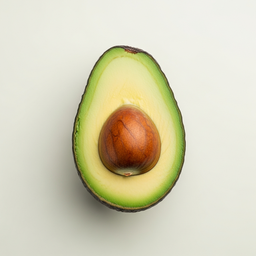 Avocado
 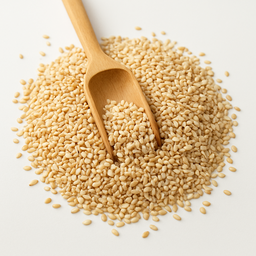 Sesame Seeds
 Healthy fats improve mineral absorption from sesame seeds
Technical: Avocado contains 15% mono-unsaturated fats and vitamin E. Sesame seeds are rich in calcium (975mg/100g), iron (14.5mg) and zinc. The fats from avocado improve absorption of these minerals and the fat-soluble lignans (sesamin, sesamolin) from sesame seeds.
What does this mean for you? Add sesame seeds to your avocado toast or poke bowl. The combination is not only delicious but also remarkably rich in minerals.
JointsEnergySkin & Hair
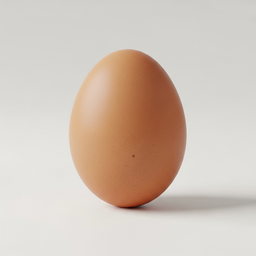 Eggs Avocado
 Double dose of healthy fats and choline
Technical: Eggs contain 147mg choline per egg (27% RDA), essential for the neurotransmitter acetylcholine (memory and focus). Avocado also provides choline (14mg/100g) plus monounsaturated fat that increases absorption of fat-soluble vitamins from the egg (A, D, E, K). Together they deliver a double choline dose plus optimal vitamin absorption.
What does this mean for you? Eat avocado toast with a fried or poached egg. More choline for your memory, and the avocado fat helps absorb all vitamins from the egg.
Focus
Eggs 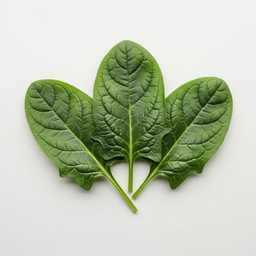 Spinach
 Increases vitamin E absorption by factor 4-7
Technical: Spinach contains vitamin E (2mg/100g), lutein and beta-carotene — all fat-soluble. A study showed that adding an egg (with 5g fat) to a raw vegetable salad increased vitamin E absorption by a factor of 4-7. The egg yolk creates a lipid emulsion serving as transport for these fat-soluble nutrients.
What does this mean for you? Always add an egg to your spinach salad or cook spinach with an egg. Without the egg fat you absorb up to 7x less vitamin E from the spinach.
General Wellness
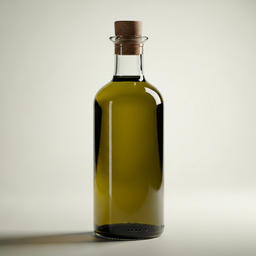 Olive Oil Sesame Seeds
 Olive oil fats improve absorption of sesame seed minerals and lignans
Technical: Olive oil's monounsaturated fats (oleic acid) improve absorption of fat-soluble lignans from sesame seeds. Additionally, olive oil polyphenols (oleocanthal) and sesame lignans form a broader antioxidant spectrum.
What does this mean for you? Use olive oil in dishes with sesame seeds — for example in an Asian salad or as a base for tahini dressing.
HeartAnti-inflammatorySkin & Hair
Spinach Avocado Fat source for better absorption of fat-soluble nutrients
Technical: Spinach contains 12.2mg lutein per 100g — highest of all vegetables. Avocado provides 15g monounsaturated fats per 100g that increase carotenoid bioavailability up to 15x (Molecular Nutrition & Food Research). Avocado's own lutein (0.27mg/100g) also contributes.
What does this mean for you? Spinach salad with avocado is an excellent combination for your eye pigments. Without fat you barely absorb lutein — with avocado up to 15x more. Lutein and zeaxanthin contribute to the maintenance of normal vision.
Skin & HairHeartFocus
Spinach Olive Oil Makes fat-soluble vitamins and antioxidants available
Technical: Spinach contains 483μg vitamin K (403% RDI), 5626μg beta-carotene, 2mg vitamin E and 12.2mg lutein — all fat-soluble. Without fat only 5-10% is absorbed. Olive oil's monounsaturated fats (73% oleic acid) form micelles that increase absorption 2-5x.
What does this mean for you? Always eat spinach with olive oil or another fat source. Without fat you waste most of spinach's impressive vitamin profile. A drizzle of olive oil is essential for proper absorption.
Skin & HairJoints
Spinach Sesame Seeds Iron + calcium + copper: mineral synergy
Technical: Spinach contains 2.7mg iron per 100g (15% RDI). Sesame seeds contain 975mg calcium per 100g (highest of all seeds!) plus 14.5mg iron. The combination delivers a rich mineral dose. Sesame seeds also contain copper (4.1mg/100g) — copper contributes to normal iron transport in the body (EFSA-approved).
What does this mean for you? Korean namul (sesame spinach) is not only delicious but also exceptionally mineral-rich. Copper from sesame seeds contributes to normal iron transport. Ideal for vegetarians.
EnergyJointsMuscle Gain
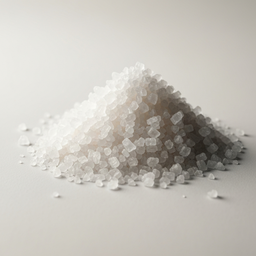 Sea Salt Avocado
 Minerals improve flavor perception and electrolyte balance
Technical: Sea salt contains trace minerals (magnesium, potassium, calcium) besides sodium. Tomato is rich in potassium (237mg/100g) and lycopene. Avocado adds magnesium (29mg) and potassium (485mg). Together they form a broad electrolyte profile: sodium (salt) + potassium (tomato/avocado) + magnesium (avocado) — essential for fluid balance and nerve function.
What does this mean for you? Sprinkle tomato and avocado with a pinch of sea salt. This is more than flavor — the minerals complement each other for a complete electrolyte balance.
HeartEnergy
Sea Salt Olive Oil Minerals + polyphenols for cellular balance
Technical: Sea salt's sodium is essential for the sodium-potassium pump (Na+/K+-ATPase) that regulates every body cell. Olive oil's oleuropein and hydroxytyrosol provide antioxidant protection for cell membranes. The combination supports cell integrity: sea salt regulates ion balance, olive oil protects the membrane. In Mediterranean cuisine, coarse sea salt + olive oil is the most basic flavor profile.
What does this mean for you? Freshly ground sea salt with extra virgin olive oil is the simplest and most nutritious finishing of any dish. The combination provides the basic needs of your cells: minerals for function, polyphenols for protection.
HeartGeneral Wellness
Ingredients (9)
+7 more ingredientsInstructions
- 1 Bring a saucepan of water to the boil. Lower the eggs in carefully and cook for 7 minutes for a softly set, slightly jammy yolk. Cool immediately under cold water, peel and halve them.
Nutrition per serving
Indicative values per serving.
Timing & Suitability
Shelf life: 1 days in fridge
Tags & Diet
Allergens: Eggs, Nuts, Sesame