- Easy
- 35 min
- 3 serv.
- 18 synergies
- Now at its best: Spinach
A Greek-inspired pasta dish with juicy shrimp, sun-dried tomatoes, spinach, lemon and crumbled feta. The orzo cooking water creates a lightly creamy sauce without heavy cream.
Orzo looks like rice but eats like pasta: soft, creamy and perfect for absorbing flavor. In this dish, the cooking water combines with feta and olive oil to create a light sauce that coats every grain. The shrimp are cooked quickly over high heat so they stay juicy rather than turning tough. Sun-dried tomatoes bring deep umami, spinach adds freshness and lemon lifts everything with a bright Mediterranean note. It is quick, elegant, salty, creamy and fresh all at once.
- 15
- min prep
- 20
- min cook
- 35
- min total
Nutritional Synergies
This recipe combines ingredients that enhance each other:
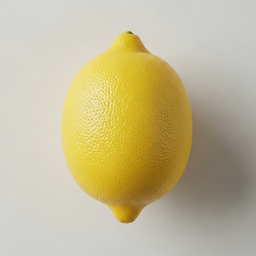 Lemon
Lemon 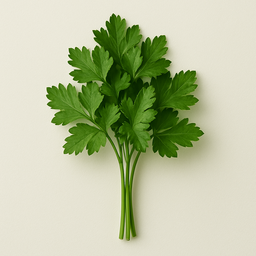 Parsley
 Double vitamin C for maximum iron absorption
Technical: Lemon contains 53mg vitamin C per 100g, parsley 133mg per 100g. Together they provide excess vitamin C that reduces non-heme iron (from vegetables, grains) from Fe³⁺ to Fe²⁺, increasing absorption 3-6x. Parsley also contains 6.2mg iron per 100g.
What does this mean for you? Use lemon + parsley in tabbouleh, dressings and marinades. The combination maximizes iron absorption, ideal for vegetarians.
EnergyImmune System
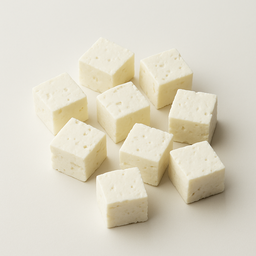 Feta Cheese
 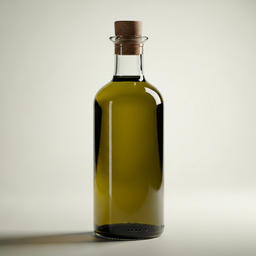 Olive Oil
 Olive oil improves calcium absorption from feta
Technical: Feta contains 493mg calcium per 100g. Fat-soluble vitamins D and K2 are needed for calcium absorption. Olive oil contains mono-unsaturated fats that improve absorption of these vitamins and minerals. Olive oil also contains oleuropein involved in bone metabolism.
What does this mean for you? Always drizzle feta with olive oil — the Mediterranean tradition of feta with olive oil is scientifically smart.
JointsMuscle Gain
Feta Cheese 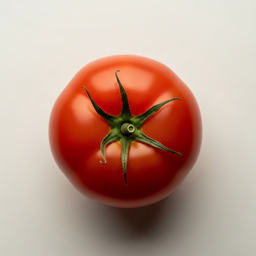 Sun-dried tomatoes
 Greek salad synergy - fat for lycopene absorption
Technical: Tomato contains lycopene, a carotenoid that is fat-soluble. Feta contains 21g fat per 100g that dissolves lycopene and promotes micelle formation in the gut, increasing absorption up to 4x. Feta's calcium (493mg/100g) — calcium contributes to the maintenance of normal bones (EFSA-approved). The Greek salad is a scientifically optimal combination.
What does this mean for you? Always combine feta with tomato (and olive oil) — exactly like in a Greek salad. The fat from feta ensures you absorb 4x more lycopene.
HeartSkin & HairJoints
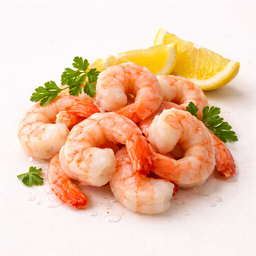 Shrimp Lemon
 Better iron absorption from shellfish
Technical: Shrimp contain 2mg iron per 100g, mainly as heme iron (well absorbed) plus some non-heme iron. Lemon provides 53mg vitamin C per 100g that reduces non-heme iron from Fe³⁺ to the more absorbable Fe²⁺. Additionally, citric acid promotes absorption by chelating minerals, which also improves uptake of zinc (1.6mg) and selenium (38μg) from shrimp.
What does this mean for you? Sprinkle your shrimp with lemon or lime juice. This works in cocktail sauces, ceviche, pad thai and shrimp soup. The citrus not only freshens the flavor but also increases your mineral absorption.
EnergyImmune System
Shrimp 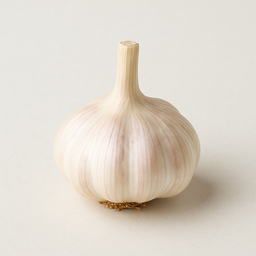 Garlic
 Astaxanthin + allicin influence lipid metabolism via complementary pathways
Technical: Shrimp contain astaxanthin (1.5-3mg per 100g) — a potent carotenoid antioxidant that neutralizes singlet oxygen. Garlic contains allicin that works through a different mechanism: it influences HMG-CoA reductase (involved in lipid metabolism). Together they offer complementary biochemical pathways: antioxidation (astaxanthin) + lipid modulation (allicin).
What does this mean for you? Gambas al ajillo (shrimp in garlic oil) isn't just a Spanish classic but also a functional combination. Use at least 4-5 cloves of garlic and don't brown them too much — allicin breaks down at high temperatures.
HeartAnti-inflammatory
Olive Oil Lemon Oleic acid + citric acid: complementary pathways for glycemic response
Technical: Lemon contains citric acid that slows gastric emptying, causing carbohydrates from the meal to be absorbed more slowly. Olive oil's fats reinforce this effect by further influencing glycemic response. Together they influence the postprandial glucose response via two complementary mechanisms. Olive oil's oleocanthal and lemon's vitamin C additionally provide complementary antioxidant action.
What does this mean for you? A simple dressing of olive oil and lemon juice over your salad is one of the smartest combinations you can make. The two mechanisms (delayed gastric emptying + fat slowing) work together to influence the glucose response after your meal.
EnergyDigestion
Olive Oil Garlic Aglio e olio: allicin + oleocanthal via complementary biochemical pathways
Technical: Garlic contains allicin (formed when cutting/crushing) that influences HMG-CoA reductase (involved in lipid metabolism). Olive oil contains oleocanthal that modulates COX-1/2 enzymes. Together they influence lipid metabolism and prostaglandin cascade via complementary biochemical pathways. The fat also helps absorb fat-soluble garlic compounds.
What does this mean for you? Gently warm garlic in olive oil (don't burn!) as the base for many dishes. This is why 'aglio e olio' pasta is so beloved — two bioactive compounds that reinforce each other.
HeartImmune System
Olive Oil Sun-dried tomatoes Mediterranean golden rule: fat increases lycopene absorption 4x
Fat significantly increases lycopene bioavailability (PMID: 15927929)
Technical: Tomatoes contain lycopene (3-7mg per 100g), a carotenoid with strong antioxidant action. Lycopene is fat-soluble with only 10-15% absorption without fat. Olive oil increases this to 40-60% (2.5-4x improvement). Cooking further increases lycopene bioavailability.
What does this mean for you? Always add olive oil to tomato dishes — sauces, salads, bruschetta. This is why Mediterranean cuisine is so healthy. Cooked tomatoes with olive oil = maximum lycopene.
HeartSkin & Hair
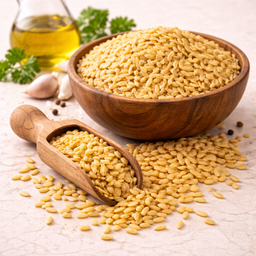 Orzo Pasta Lemon
 Vitamin C enhances iron absorption from enriched pasta
Technical: Orzo (risoni) is enriched durum wheat semolina with non-heme iron (1.2mg/100g). Lemon contains 53mg vitamin C per 100g that reduces Fe³⁺ to the more absorbable Fe²⁺, increasing iron absorption by 3-6x. Citric acid also chelates iron into soluble complexes that pass the intestinal wall. The combination is particularly relevant for vegetarians dependent on non-heme iron.
What does this mean for you? Always squeeze lemon over your orzo salad or soup. This Greek tradition maximizes iron absorption from the pasta — important if you eat little meat.
EnergyImmune System
Orzo Pasta Olive Oil Retrograde starch + healthy fats for microbiome support
Technical: Cooked and cooled orzo forms retrograde starch (resistant starch type 3), a prebiotic fermented by gut bacteria into butyrate — the primary energy source for colonocytes. Olive oil (73% oleic acid) slows glycemic response and adds polyphenols (oleocanthal, hydroxytyrosol) that improve gut flora diversity. Together they lower the meal's GI by 30-40%.
What does this mean for you? Cold orzo salad with olive oil is healthier than warm orzo — cooling creates resistant starch that feeds your gut bacteria. The olive oil also lowers the blood sugar spike.
DigestionBlood SugarHeart
Orzo Pasta 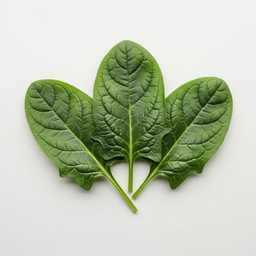 Spinach
 Slow carbs + iron and folate for blood building
Technical: Orzo provides slow carbohydrates (GI 45-50) and B-vitamins. Spinach is exceptionally rich in folate (194μg, 49% RDI) and non-heme iron (2.7mg). Folate is essential for DNA synthesis and red blood cell formation, while carbohydrates from orzo provide energy substrates for this process. The combination offers a complete hematopoietic package.
What does this mean for you? Orzo with spinach (and a squeeze of lemon) is a powerful meal for blood building. Ideal when you're tired, menstruating or recovering — the folate and iron work together for healthy blood.
EnergyGeneral Wellness
Spinach Lemon Increases iron absorption up to 300% by breaking oxalate binding
Technical: Spinach contains 2.7mg non-heme iron per 100g, but also 970mg oxalic acid that binds iron into insoluble calcium oxalate. Vitamin C (53mg/100g in lemon) reduces Fe³⁺ to Fe²⁺ (ferroreduction) and forms soluble iron-ascorbate complexes that break oxalate binding. Iron absorption rises from 2% to 6-12%.
What does this mean for you? Always squeeze lemon over spinach — this is the 'Popeye hack'. Vitamin C breaks the oxalate trap blocking iron absorption. Without lemon you barely absorb any iron from spinach.
Energy
Spinach Olive Oil Makes fat-soluble vitamins and antioxidants available
Technical: Spinach contains 483μg vitamin K (403% RDI), 5626μg beta-carotene, 2mg vitamin E and 12.2mg lutein — all fat-soluble. Without fat only 5-10% is absorbed. Olive oil's monounsaturated fats (73% oleic acid) form micelles that increase absorption 2-5x.
What does this mean for you? Always eat spinach with olive oil or another fat source. Without fat you waste most of spinach's impressive vitamin profile. A drizzle of olive oil is essential for proper absorption.
Skin & HairJoints
Spinach 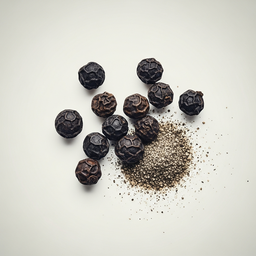 Black Pepper
 Increases beta-carotene absorption from vegetables
Technical: Spinach contains 5626μg beta-carotene per 100g. Piperine from black pepper (5-9% by weight) inhibits glucuronidation in the gut, keeping beta-carotene in its active form longer. Piperine also increases intestinal epithelium permeability via vanilloid receptor activation.
What does this mean for you? Grind fresh black pepper over spinach. Piperine slows beta-carotene breakdown in your gut so you absorb more. Combine with olive oil for the maximum triple effect.
Immune SystemSkin & Hair
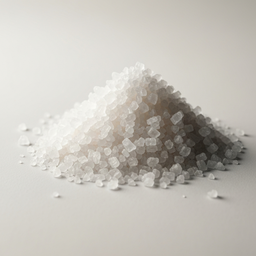 Sea Salt Sun-dried tomatoes
 Minerals improve flavor perception and electrolyte balance
Technical: Sea salt contains trace minerals (magnesium, potassium, calcium) besides sodium. Tomato is rich in potassium (237mg/100g) and lycopene. Avocado adds magnesium (29mg) and potassium (485mg). Together they form a broad electrolyte profile: sodium (salt) + potassium (tomato/avocado) + magnesium (avocado) — essential for fluid balance and nerve function.
What does this mean for you? Sprinkle tomato and avocado with a pinch of sea salt. This is more than flavor — the minerals complement each other for a complete electrolyte balance.
HeartEnergy
Sea Salt Lemon Trace minerals + vitamin C for electrolytes and immune system
Technical: Unrefined sea salt contains 80+ trace elements (magnesium 0.5%, potassium 0.4%, calcium 0.1%, plus iodine, zinc, selenium in trace amounts) alongside sodium. Lemon's vitamin C improves absorption of non-heme iron and zinc from sea salt. Sodium + potassium together regulate cellular osmosis. Vitamin C is also essential for collagen synthesis where sea salt minerals serve as cofactors.
What does this mean for you? A glass of warm water with a pinch of unrefined sea salt and lemon juice in the morning is an effective hydration ritual. The minerals + vitamin C start your day with good electrolyte balance.
EnergyImmune System
Sea Salt Olive Oil Minerals + polyphenols for cellular balance
Technical: Sea salt's sodium is essential for the sodium-potassium pump (Na+/K+-ATPase) that regulates every body cell. Olive oil's oleuropein and hydroxytyrosol provide antioxidant protection for cell membranes. The combination supports cell integrity: sea salt regulates ion balance, olive oil protects the membrane. In Mediterranean cuisine, coarse sea salt + olive oil is the most basic flavor profile.
What does this mean for you? Freshly ground sea salt with extra virgin olive oil is the simplest and most nutritious finishing of any dish. The combination provides the basic needs of your cells: minerals for function, polyphenols for protection.
HeartGeneral Wellness
Black Pepper Olive Oil Fat increases piperine absorption and enhances polyphenols
Technical: Piperine is fat-soluble and absorbed 2-3x better with dietary fat. Olive oil's oleocanthal and piperine both modulate COX signal transduction through different mechanisms, providing additive bioactive effect.
What does this mean for you? Grind fresh pepper over salads with olive oil dressing. The combination enhances both pepper absorption and bioactive action.
Anti-inflammatoryHeartDigestion
Ingredients (11)
+8 more ingredientsInstructions
- 1 Cook the orzo al dente according to package directions. Reserve 200 ml cooking water and drain the orzo.
- 2 Season the shrimp with lemon zest, black pepper and a pinch of sea salt.
Nutrition per serving
Indicative values per serving.
Timing & Suitability
Shelf life: 2 days in fridge
Tags & Diet
Allergens: Gluten, Dairy, Shellfish