- Easy
- 35 min
- 2 serv.
- 15 synergies
- Now at its best: Salmon
A colorful bowl with fresh salmon cubes, creamy avocado and crunchy vegetables on a bed of sushi rice.
Poké originally comes from Hawaii but was influenced by Japanese fishermen. The word means 'to cut into pieces' in Hawaiian. This bowl combines the best of both worlds: fresh fish like in Japan and the colorful presentation of Hawaii. Tender salmon cubes marinate briefly in tamari and ginger, resting on creamy sushi rice alongside cool avocado, crunchy cucumber and bright green edamame. A drizzle of sesame oil and a handful of nori complete the picture — as beautiful as it is delicious.
- 20
- min prep
- 15
- min cook
- 35
- min total
Nutritional Synergies
This recipe combines ingredients that enhance each other:
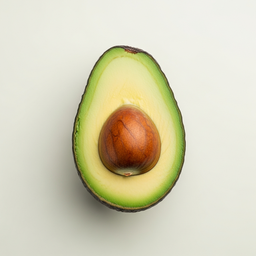 Avocado
 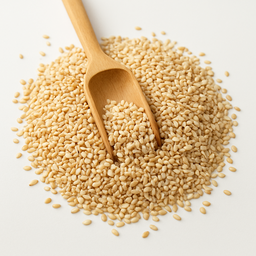 Sesame Seeds
 Healthy fats improve mineral absorption from sesame seeds
Technical: Avocado contains 15% mono-unsaturated fats and vitamin E. Sesame seeds are rich in calcium (975mg/100g), iron (14.5mg) and zinc. The fats from avocado improve absorption of these minerals and the fat-soluble lignans (sesamin, sesamolin) from sesame seeds.
What does this mean for you? Add sesame seeds to your avocado toast or poke bowl. The combination is not only delicious but also remarkably rich in minerals.
JointsEnergySkin & Hair
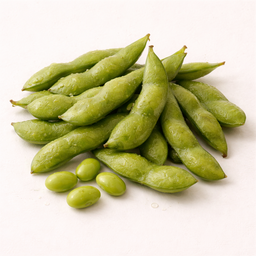 Edamame (shelled)
 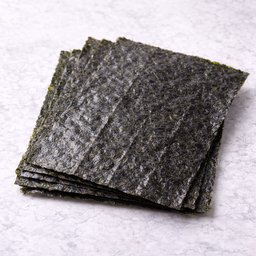 Nori
Nori Japanese combination: isoflavones + iodine
Technical: Soy isoflavones can affect thyroid function at high doses through TPO inhibition. Seaweed provides iodine (16-2000μg per serving) that compensates this effect. Good to know: iodine contributes to the normal production of thyroid hormones and normal thyroid function (EFSA-approved). In Japan where lots of soy AND seaweed are eaten, this combination is standard.
What does this mean for you? If you regularly eat edamame or tofu, combine with seaweed (miso soup with wakame, sushi with nori). This is the traditional Japanese approach followed for centuries.
Hormonal BalanceEnergy
Edamame (shelled) 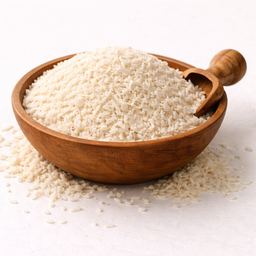 Rice
Rice Complete protein combination (legume + grain)
Technical: Edamame (immature soybeans) contains 11g protein per 100g with high lysine content (0.9g) but relatively low methionine. Rice provides methionine and cysteine but lacks lysine. Together they reach a PDCAAS (protein quality score) close to 1.0 — comparable to animal protein. This is the biochemical basis of the Japanese bento.
What does this mean for you? Serve edamame alongside sushi rice or regular rice — this is why it's served as a side dish in every Japanese restaurant. You get complete proteins without meat.
Muscle GainEnergy
Edamame (shelled) 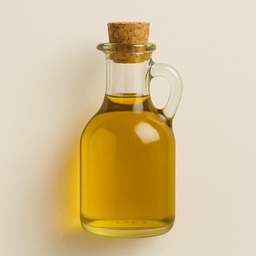 Sesame Oil
 Increased absorption of isoflavones
Technical: Edamame contains isoflavones (genistein and daidzein) — phytoestrogens that are lipophilic (fat-loving) and are significantly better absorbed in the presence of fats. Sesame oil contains sesamin, a lignan with its own antioxidant action. The fat in sesame oil increases isoflavone bioavailability by 2-3x.
What does this mean for you? Drizzle sesame oil over your edamame or briefly stir-fry them in sesame oil with sea salt. The nutty aroma of sesame pairs perfectly with edamame and your body absorbs the isoflavones much better.
Hormonal BalanceHeart
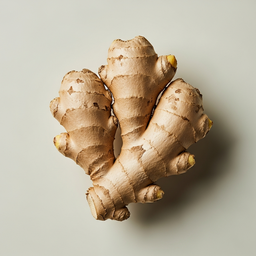 Ginger
 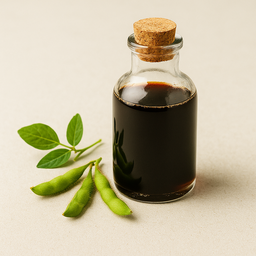 Tamari
 Asian umami base with bioactive action
Technical: Ginger contains gingerols and shogaols that modulate COX-2. Tamari (gluten-free soy sauce) provides umami flavor plus fermented compounds supporting gut flora. Together they form the base of many Asian dishes and offer both flavor and bioactive action.
What does this mean for you? Ginger + tamari is the base of stir-fries, marinades and dressings. Two ingredients that enhance each other's flavor and combine bioactive compounds.
DigestionAnti-inflammatory
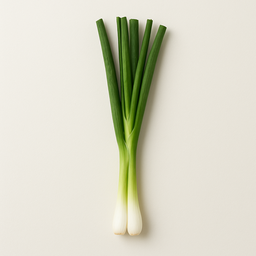 Spring Onion Rice
 Allyl sulfides slow glycemic response of rice
Technical: Green onion's allyl sulfides and quercetin inhibit α-glucosidase and slow carbohydrate breakdown. This reduces the postprandial glycemic peak after rice consumption by 15-20%. Green onion also contains chromium (1.1μg/100g) involved in GLUT4 translocation.
What does this mean for you? Always garnish rice dishes with green onion — this slows the glycemic response. Classic in Asian cuisine, especially for those mindful of carbohydrate processing.
Blood SugarGeneral Wellness
Nori Avocado Fat increases absorption of iodine and fat-soluble vitamins from nori
Technical: Nori contains iodine (16-43μg per sheet), vitamin A, and vitamin K. These are fat-soluble and better absorbed with dietary fat. Avocado contains 15g healthy fats per 100g that stimulate micelle formation in the gut.
What does this mean for you? Make sushi bowls with avocado or eat your nori snacks with guacamole. The combination increases the nutritional value of both ingredients.
EnergySkin & Hair
Nori Rice Complete amino acids through seaweed + grain combination
Technical: Nori is exceptionally rich in iodine (16-43μg per sheet), vitamin B12 (rare in plant sources), and contains all essential amino acids but in small amounts. Rice provides carbohydrates for energy and methionine (an amino acid nori is low in). Together they form a more complete amino acid profile and deliver both quick energy and essential micronutrients.
What does this mean for you? Sushi (nori + rice) isn't just tasty — it's one of the oldest and smartest food combinations in the world. The Japanese tradition of nori around rice is scientifically a perfect match.
General WellnessEnergy
Nori Sesame Seeds Classic Asian combination: minerals + healthy fats
Technical: Nori provides iodine and minerals, sesame seeds add calcium (975mg/100g), iron and healthy fats. The combination enhances absorption of fat-soluble vitamins from nori.
What does this mean for you? Sprinkle sesame seeds on your sushi or rice dishes for a more nutritious meal.
JointsEnergyGeneral Wellness
Rice Ginger Ginger lowers glycemic response of rice by 10-15%
Technical: Rice has a moderate to high GI (56-89 depending on variety). Ginger contains gingerols that modulate amylase activity and influence gastric emptying, reducing the glycemic peak by 10-15%. This has been demonstrated for jasmine rice but applies to all rice varieties.
What does this mean for you? Cook ginger slices in your rice or serve rice with ginger dishes. A simple addition with measurable effect on your blood sugar.
Blood SugarDigestionEnergy
Sesame Oil Ginger Asian cooking base: lignans + gingerols via complementary pathways
Technical: Sesame oil contains sesamin and sesamolin (lignans) with antioxidant action. Ginger contains gingerols that modulate COX-2. Both compounds influence NF-κB via complementary mechanisms. The fat in sesame oil also improves absorption of fat-soluble gingerols.
What does this mean for you? Start Asian dishes with sesame oil + ginger as flavor base. This is the fundamental start of wok dishes and combines two bioactive compounds via complementary pathways.
Anti-inflammatoryDigestion
Sesame Oil Sesame Seeds Sesame oil fats enhance absorption of sesame seed lignans
Technical: Sesame seeds contain lignans (sesamin, sesamolin) that are fat-soluble. Sesame oil provides the ideal fat matrix for absorption. Additionally, the oil contains different bioactive forms (sesamol) that work complementarily to lignans in whole seeds.
What does this mean for you? Top dishes with both sesame seeds and a drizzle of sesame oil — you get the fiber and minerals from the seeds plus optimal lignan absorption.
HeartAnti-inflammatoryHormonal Balance
Tamari Sesame Oil Fermented soy isoflavones + sesamol for antioxidant protection
Technical: Tamari contains fermentation-released isoflavones (genistein, daidzein) that work synergistically with sesame oil's sesamol and sesaminol. Together they provide broader antioxidant protection via different radical scavenging mechanisms.
What does this mean for you? A splash of tamari with sesame oil as dressing or stir-fry sauce gives not only umami flavor but also a double antioxidant effect.
Anti-inflammatoryHeartSkin & Hair
Tamari Sesame Seeds Umami amino acids enhance mineral absorption from sesame seeds
Technical: Tamari's free glutamic acid and amino acids from fermentation promote absorption of zinc and iron from sesame seeds. The organic acids in fermented soy lower intestinal pH, making minerals more soluble.
What does this mean for you? Sprinkle dishes with tamari and sesame seeds together — a classic Asian combination that's not only delicious but also optimizes your mineral absorption.
EnergyImmune SystemGeneral Wellness
Tamari  Salmon
 Japanese teriyaki: umami + omega-3 protection
Technical: Tamari (gluten-free soy sauce) contains amino acids from fermentation that promote the Maillard reaction, giving flavor and color to salmon. The antioxidants in tamari (isoflavones, melanoidins) protect the vulnerable omega-3 fatty acids in salmon from oxidation during cooking.
What does this mean for you? Briefly marinate salmon in tamari with ginger and garlic, then pan-fry or grill. This is the basis of teriyaki salmon — delicious AND protective for omega-3.
HeartAnti-inflammatory
Ingredients (11)
+8 more ingredientsInstructions
- 1 Mix tamari, sesame oil and grated ginger for the marinade.
- 2 Marinate the salmon cubes for 10 minutes in the refrigerator.
Nutrition per serving
Indicative values per serving.
Timing & Suitability
Tags & Diet
Allergens: Fish, Soy, Sesame