- Easy
- 105 min
- 15 serv.
- 10 synergies
- Now at its best: Onion
An aromatic vegetable stock without salt or preservatives. The perfect base for soups, risottos and sauces.
The kitchen already smells wonderful before the stock is done. As soon as onion, carrot, celery and mushrooms slide into the water and the first bubble rises, a warmth spreads that no cube can match. Simmer for an hour and a half — that's all it takes. What remains is a golden liquid that makes everything better: soups gain depth, risotto turns velvety, sauces become round. And the best part? You can use vegetable scraps from the freezer — those peels and ends you'd normally throw away. Zero waste at its tastiest.
- 15
- min prep
- 90
- min cook
- 105
- min total
Nutritional Synergies
This recipe combines ingredients that enhance each other:
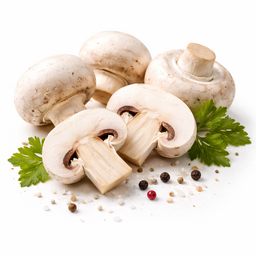 Mushrooms
 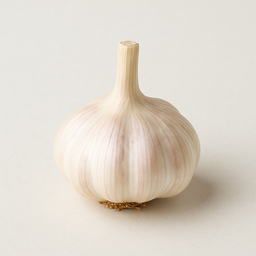 Garlic cloves
 Beta-glucans + allicin activate complementary immune pathways
Technical: Mushrooms contain beta-glucans (polysaccharides) that activate macrophages and NK cells via Dectin-1 receptors — the innate immune system. Garlic's allicin stimulates T-cell proliferation and activates the Th1 response — the adaptive immune system. Together they activate two complementary branches of the immune system.
What does this mean for you? Sauté mushrooms with garlic — a combination that engages two different branches of the immune system. Cut garlic and wait 10 minutes before heating so allicin fully forms.
Immune System
Mushrooms 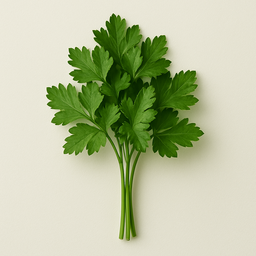 Parsley
 Vitamin C increases absorption of B vitamins and minerals
Technical: Mushrooms are rich in B vitamins (riboflavin 0.4mg, niacin 3.6mg per 100g), selenium (9.3μg) and copper (0.3mg). Parsley contains 133mg vitamin C per 100g and improves absorption of these micronutrients. Chlorophyll in parsley also neutralizes the earthy taste of mushrooms.
What does this mean for you? Always garnish your mushroom dishes with fresh parsley. This increases both nutritional value and freshness of flavor.
EnergyImmune System
Mushrooms 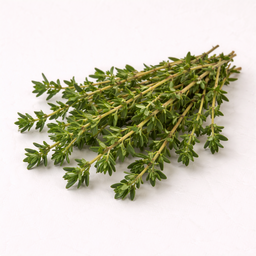 Thyme sprigs
 French classic combination: ergothioneine + thymol
Technical: Mushrooms contain ergothioneine (a distinctive antioxidant that accumulates in mitochondria) and B vitamins. Thyme contains thymol and carvacrol, aromatic compounds with antioxidant properties. Together they bring a range of plant compounds to your plate.
What does this mean for you? Sauté mushrooms with fresh thyme — a classic French combination from Provençal cuisine. Add thyme in the last minute for optimal aroma retention.
Anti-inflammatoryImmune System
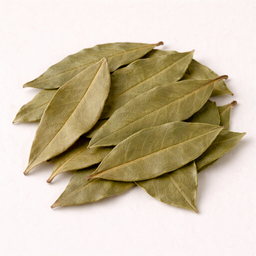 Bay leaves Garlic cloves
 Eucalyptol + allicin for broad-spectrum bioactive action
Technical: Bay's 1,8-cineole contains bioactive compounds effective against gram-negative bacteria and fungi via membrane disruption. Garlic's allicin works via thiol blockade in enzymes of gram-positive and gram-negative pathogens. Together they offer the broadest bioactive spectrum of all kitchen herbs. Bay's tannins also enhance the antioxidant action of garlic's S-allylcysteine.
What does this mean for you? Bay leaf + garlic is the base of virtually every good broth or sauce. Historically this served as a preservation method — a tradition that also works exceptionally well for flavor.
Immune SystemDigestion
Bay leaves 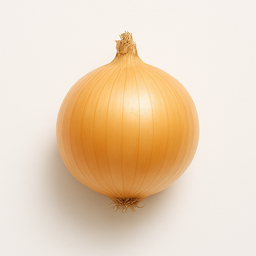 Onions
 Cineole + quercetin: aromatic broth base
Technical: Bay leaf contains 1,8-cineole (eucalyptol, 50% of oil), an aromatic compound. Onion's quercetin (20mg/100g) is a flavonoid. Bay leaf also contains parthenolide, studied in research in relation to COX signaling. The combination is the base of broth and stews in every Mediterranean cuisine.
What does this mean for you? Always add bay leaves together with onions as the base of your broth or stew. The combination gives a warm, aromatic base to any dish.
Immune SystemAnti-inflammatory
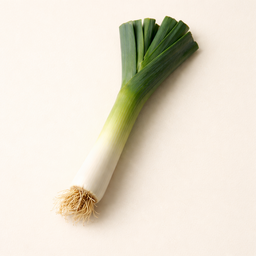 Leek Garlic cloves
 Double Allium power: inulin + allicin for gut and Nrf2
Technical: Leek contains 2-5g inulin per 100g (prebiotic for Bifidobacterium) and kaempferol. Garlic's allicin has bioactive properties and fructo-oligosaccharides (FOS) also feed beneficial gut bacteria. As Allium family members, they share organosulfur compounds that modulate NF-κB and activate the Nrf2 pathway.
What does this mean for you? Leek and garlic together (base of many soups and stews) give your gut bacteria a double feast of prebiotic fibers. Two Allium crops with complementary organosulfur compounds.
DigestionImmune System
Leek 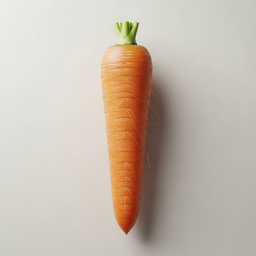 Carrots
 Prebiotic inulin + beta-carotene
Technical: Leek's inulin (2-5g/100g) feeds Bifidobacterium producing short-chain fatty acids (butyrate) for colonocytes. Carrot provides 8285μg beta-carotene per 100g. A healthy gut flora (fed by inulin) increases beta-carotene absorption efficiency, as gut bacteria optimize enterocyte function.
What does this mean for you? Leek-carrot soup is a classic combination. Inulin from leek feeds your gut flora, and a healthy gut flora in turn improves beta-carotene absorption from carrot. Double benefit from two simple ingredients.
DigestionSkin & Hair
Thyme sprigs Garlic cloves Double bioactive action via complementary mechanisms
Technical: Thyme's thymol disrupts cell membranes of microorganisms via lipophilic insertion. Garlic's allicin inhibits microbial enzymes (cysteine proteases). Two independent bioactive mechanisms — membrane disruption (thyme) + enzyme inhibition (garlic) — provide broader spectrum coverage than each ingredient alone.
What does this mean for you? Use thyme and garlic together in sauces, soups and marinades. Two bioactive ingredients working through different routes — the foundation of Provençal cuisine.
Immune System
Onions Garlic cloves More than 20 organosulfur compounds in one soffritto
Technical: Onion contains diallyl disulfide and quercetin (20-40mg/100g). Garlic contains allicin, ajoene and S-allylcysteine. Together they provide more than 20 different organosulfur compounds that modulate NF-κB. Allium crops are intensively studied in nutrition science for their unique sulfur chemistry.
What does this mean for you? Start every dish with sautéed onion and garlic — not just for flavor, but for the unique concentration of organosulfur compounds. Cut garlic 10 minutes before heating to allow allicin formation.
DigestionImmune System
Onions 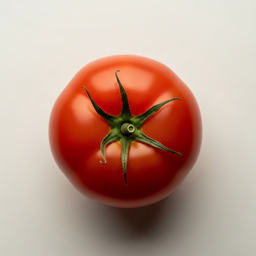 Tomatoes
 Quercetin + lycopene: synergistic polyphenol-carotenoid combination
Technical: Quercetin from onion (20-40mg/100g) and lycopene from tomato (2573μg/100g) work through different mechanisms. Quercetin chelates metal ions and modulates lipid peroxidation, lycopene quenches singlet oxygen. Combined polyphenols and carotenoids work synergistically — the combination works through complementary mechanisms.
What does this mean for you? Tomato sauce with onion is the base of nearly every Mediterranean cuisine — and rightly so. Quercetin and lycopene enhance each other's action through complementary biochemical pathways. Cooking in olive oil makes carotenoids more absorbable.
HeartAnti-inflammatory
Ingredients (11)
- Onions — 3 pcs roughly chopped, peel can stay
- Carrots — 3 pcs roughly chopped
-
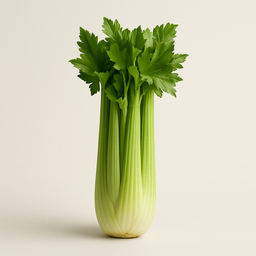 Celery stalks — 4 pcs with leaves
Instructions
- 1 Roughly chop all vegetables. The smaller, the faster the flavor releases.
- 2 Put all ingredients in a large pot and cover with 3 liters cold water.
Nutrition per serving
Indicative values per serving.
Timing & Suitability
Shelf life: 5 days in fridge