- Easy
- 1460 min
- 25 serv.
- 8 synergies
- Now at its best: Onion
Beef bone broth from roasted marrow bones and knuckles. Slowly simmered for the deepest flavor — the base for French sauces, pho and stews.
Oven at two-twenty. Beef bones on the baking sheet, then wait for that moment — the deep, caramelized scent that fills the kitchen as they start to brown. That's the Maillard reaction, and it's why roasted beef broth tastes so different from a pale version. Twelve to twenty-four hours of simmering takes patience, but the result is a mahogany-colored, gelatinous stock that elevates any sauce, stew or pho to restaurant level.
- 20
- min prep
- 1440
- min cook
- 1460
- min total
Nutritional Synergies
This recipe combines ingredients that enhance each other:
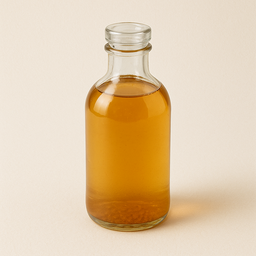 Apple cider vinegar
 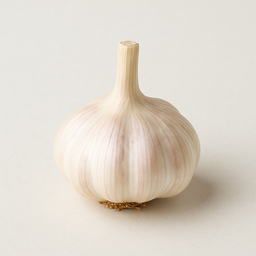 Garlic cloves
 Acetic acid preserves allicin and extends shelf life
Technical: Allicin, garlic's active compound, is unstable and degrades quickly. Acetic acid from apple cider vinegar lowers pH, keeping allicin intact longer. Additionally, acetic acid and allicin work through different mechanisms (membrane disruption vs. thiol reaction), providing a broader spectrum of bioactive compounds.
What does this mean for you? Combine garlic with apple cider vinegar in dressings or marinades — the vinegar keeps garlic's bioactive compounds intact longer.
Immune SystemDigestionAnti-inflammatory
Apple cider vinegar 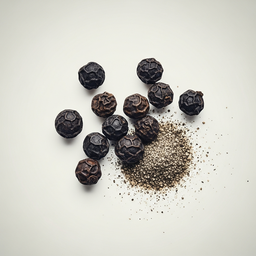 Black peppercorns
 Acetic acid + piperine for dual bioavailability enhancement
Technical: Apple cider vinegar's acetic acid lowers stomach pH for better mineral absorption. Black pepper's piperine affects CYP3A4 and P-glycoprotein in the gut, allowing more nutrients to reach the bloodstream. Together they improve absorption of other nutrients in the meal.
What does this mean for you? Add apple cider vinegar and black pepper to marinades and dressings — they help your body absorb more nutrients from the entire meal.
DigestionGeneral WellnessEnergy
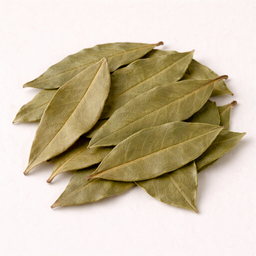 Bay leaves Garlic cloves
 Eucalyptol + allicin for broad-spectrum bioactive action
Technical: Bay's 1,8-cineole contains bioactive compounds effective against gram-negative bacteria and fungi via membrane disruption. Garlic's allicin works via thiol blockade in enzymes of gram-positive and gram-negative pathogens. Together they offer the broadest bioactive spectrum of all kitchen herbs. Bay's tannins also enhance the antioxidant action of garlic's S-allylcysteine.
What does this mean for you? Bay leaf + garlic is the base of virtually every good broth or sauce. Historically this served as a preservation method — a tradition that also works exceptionally well for flavor.
Immune SystemDigestion
Bay leaves 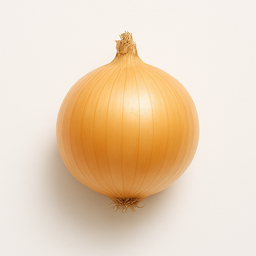 Onions
 Cineole + quercetin: aromatic broth base
Technical: Bay leaf contains 1,8-cineole (eucalyptol, 50% of oil), an aromatic compound. Onion's quercetin (20mg/100g) is a flavonoid. Bay leaf also contains parthenolide, studied in research in relation to COX signaling. The combination is the base of broth and stews in every Mediterranean cuisine.
What does this mean for you? Always add bay leaves together with onions as the base of your broth or stew. The combination gives a warm, aromatic base to any dish.
Immune SystemAnti-inflammatory
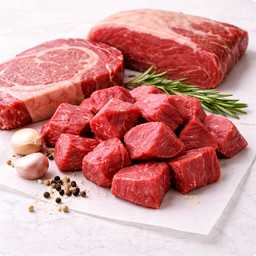 Beef bones
 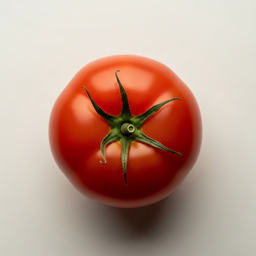 Tomatoes
 Lycopene + iron: antioxidant protection with iron absorption
Technical: Tomatoes contain lycopene, a powerful carotenoid antioxidant that is better absorbed when heated (4x after 30 min cooking). Beef contains heme iron (2.6mg/100g) and zinc (4.8mg/100g). The vitamin C in tomato (14mg) improves iron absorption, while lycopene protects fats in beef from oxidation.
What does this mean for you? Stews with beef and tomatoes (Italian ragù, Hungarian goulash) are nutritionally optimal. Simmer at least 30 minutes for maximum lycopene availability.
HeartEnergyAnti-inflammatory
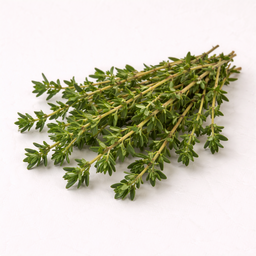 Thyme sprigs Garlic cloves
 Double bioactive action via complementary mechanisms
Technical: Thyme's thymol disrupts cell membranes of microorganisms via lipophilic insertion. Garlic's allicin inhibits microbial enzymes (cysteine proteases). Two independent bioactive mechanisms — membrane disruption (thyme) + enzyme inhibition (garlic) — provide broader spectrum coverage than each ingredient alone.
What does this mean for you? Use thyme and garlic together in sauces, soups and marinades. Two bioactive ingredients working through different routes — the foundation of Provençal cuisine.
Immune System
Onions Garlic cloves More than 20 organosulfur compounds in one soffritto
Technical: Onion contains diallyl disulfide and quercetin (20-40mg/100g). Garlic contains allicin, ajoene and S-allylcysteine. Together they provide more than 20 different organosulfur compounds that modulate NF-κB. Allium crops are intensively studied in nutrition science for their unique sulfur chemistry.
What does this mean for you? Start every dish with sautéed onion and garlic — not just for flavor, but for the unique concentration of organosulfur compounds. Cut garlic 10 minutes before heating to allow allicin formation.
DigestionImmune System
Onions Tomatoes Quercetin + lycopene: synergistic polyphenol-carotenoid combination
Technical: Quercetin from onion (20-40mg/100g) and lycopene from tomato (2573μg/100g) work through different mechanisms. Quercetin chelates metal ions and modulates lipid peroxidation, lycopene quenches singlet oxygen. Combined polyphenols and carotenoids work synergistically — the combination works through complementary mechanisms.
What does this mean for you? Tomato sauce with onion is the base of nearly every Mediterranean cuisine — and rightly so. Quercetin and lycopene enhance each other's action through complementary biochemical pathways. Cooking in olive oil makes carotenoids more absorbable.
HeartAnti-inflammatory
Ingredients (10)
+8 more ingredientsInstructions
- 1 Preheat oven to 220°C. Place the beef bones on a baking sheet.
- 2 Roast bones 30-40 minutes until deep brown. Turn halfway through.
Nutrition per serving
Indicative values per serving.
Timing & Suitability
Shelf life: 5 days in fridge