- Easy
- 10 min
- 2 serv.
- 8 synergies
- Now at its best: Beetroot
A classic salad with peppery arugula, sweet beetroot, creamy goat cheese and crunchy walnuts. Balsamic-honey dressing finishes it off. Ready in ten minutes.
This is the salad you make when you have guests and exactly ten minutes. Arugula brings that peppery bite that wakes you up, the beetroot is earthy and sweet — a contrast you never tire of. Crumble the goat cheese loosely over the top, not too neatly, you want it to melt into the warmth of the beet. The walnuts provide crunch and the balsamic-honey dressing pulls everything together with that familiar sweet-sour line. Use vacuum-packed beets if you're in a hurry, or roast them yourself if you have time — you'll get that deep, caramel-like sweetness you can't get from a package. No lettuce needed, no fuss, just five ingredients that fit together perfectly.
- 10
- min prep
- 0
- min cook
- 10
- min total
Nutritional Synergies
This recipe combines ingredients that enhance each other:
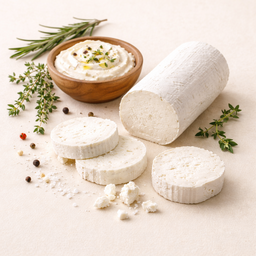 Goat Cheese (Chèvre)
 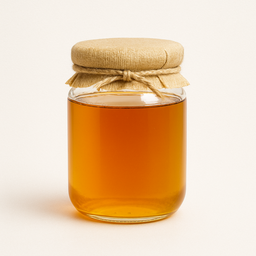 Honey
Honey MCFAs from goat cheese + prebiotics from honey for quick energy and gut flora
Technical: Goat cheese contains 30-35% medium-chain fatty acids (MCFAs) that go directly to the liver and are quickly converted to energy, without being stored in fat tissue. Honey contains oligosaccharides and fructo-oligosaccharides (FOS) acting as prebiotics feeding beneficial gut bacteria. Together: quick energy within 30 minutes plus nourishment for your gut flora.
What does this mean for you? Spread goat cheese with honey on toast as breakfast or pre-workout snack. The cheese gives quick energy, the honey feeds your good gut bacteria.
EnergyDigestion
Honey 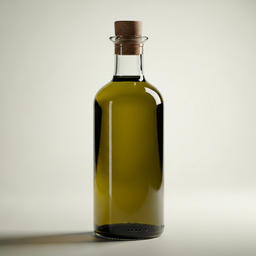 Olive Oil
 Dual bioactive action via chrysin + oleocanthal
Technical: Honey contains chrysin and olive oil oleocanthal — bioactive phenolic compounds studied in research in connection with NF-κB and COX signaling. Together they provide plant compounds through two independent routes.
What does this mean for you? A dressing of honey and olive oil is not just tasty — the chrysin and oleocanthal work through two different routes in your body.
Anti-inflammatoryHeartJoints
Olive Oil 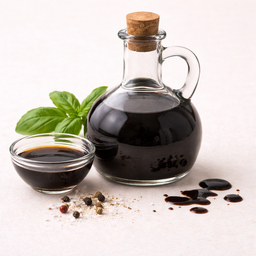 Balsamic Vinegar
 Italian vinaigrette: polyphenols + acetic acid influence glycemic response
Technical: Olive oil contains oleocanthal and hydroxytyrosol (polyphenols with antioxidant action). Balsamic contains polyphenols from grapes plus acetic acid that can influence glycemic response to meals through delayed gastric emptying. Together they offer antioxidant protection via complementary phenol compounds.
What does this mean for you? Use the classic 3:1 olive oil:balsamic ratio as salad dressing. This is not only delicious but also combines two sources of polyphenols with acetic acid that influences the glucose response after the meal.
Blood SugarHeartAnti-inflammatory
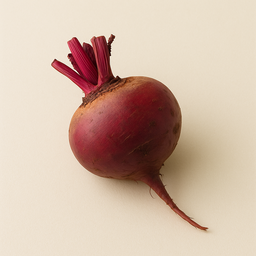 Beetroot Goat Cheese (Chèvre)
 Protein + minerals complement betalains
Technical: Goat cheese provides 22g protein and 500mg calcium per 100g. The fats (21g) in cheese increase absorption of fat-soluble betalains from beetroot. The salty taste also balances the earthy sweetness of the beet.
What does this mean for you? Combine roasted beetroot with crumbled goat cheese or feta, walnuts and some balsamic. A classic salad that's also nutritionally well-composed — cheese fat makes betalains more absorbable.
HeartMuscle Gain
Beetroot 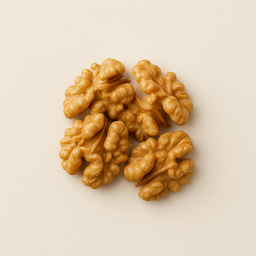 Walnuts
 Nitrates + ALA omega-3: complementary vascular pathways
Technical: Beetroot provides nitrates converted via the nitrate-nitrite-NO pathway to nitric oxide (NO), involved in vasodilation. Walnuts contain 9g ALA omega-3 per 100g — an essential fatty acid. Together they influence vascular physiology via two routes: NO signaling and omega-3 fatty acid metabolism.
What does this mean for you? Make a salad of roasted beetroot with walnuts, goat cheese and arugula. Beetroot for NO production, walnuts for omega-3 — two complementary vascular pathways in one salad.
HeartAnti-inflammatory
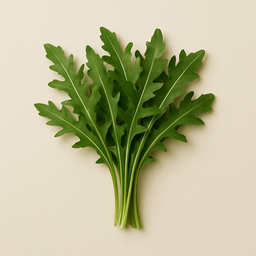 Arugula Olive Oil
 Fat increases absorption of arugula's beta-carotene and vitamin K
Technical: Arugula contains 3747μg beta-carotene and 109μg vitamin K per 100g — both fat-soluble. Olive oil forms mixed micelles increasing absorption 3-5x. Arugula also contains glucosinolates (glucoerucin) converted to sulforaphane — a hydrophobic molecule also better absorbed with fat.
What does this mean for you? Arugula with olive oil dressing isn't just tasty for its peppery character — the oil is necessary to properly absorb fat-soluble vitamins and glucosinolates.
Skin & HairImmune System
Arugula Beetroot Double nitrate source for maximum NO production
Technical: Arugula contains 480mg nitrate per 100g (highest of all leafy greens) and beetroot 250-300mg/100g. Nitrate is converted by oral bacteria to nitrite then nitric oxide (NO) via the nitrate-nitrite-NO pathway. NO is involved in vasodilation. The double nitrate dose delivers substantial NO production.
What does this mean for you? Arugula-beet salad is one of the richest nitrate combinations you can eat. Arugula actually contains more nitrate than beetroot! Popular in sports nutrition, ideal 2-3 hours before exercise.
HeartEnergy
Walnuts Honey ALA omega-3 + enzymatic honey: complementary bioactive pathways
Technical: Walnuts' ALA (omega-3) influences prostaglandin metabolism via complementary biochemical pathways. Honey's glucose oxidase produces hydrogen peroxide. Together they provide two complementary bioactive pathways: walnuts via the omega-3 → prostaglandin pathway, honey via enzymatic activity.
What does this mean for you? Walnuts with honey is a classic combination — the omega-3 fatty acids influence prostaglandin metabolism, honey provides enzymes such as glucose oxidase. Two complementary pathways in one snack.
HeartImmune SystemEnergy
Instructions
- 1 Whisk olive oil, balsamic vinegar and honey together with a pinch of salt and pepper in a small bowl until smooth.
Nutrition per serving
Indicative values per serving.
Timing & Suitability
Shelf life: 1 days in fridge
Tags & Diet
Allergens: Dairy, Nuts