- Easy
- 30 min
- 2 serv.
- 9 synergies
- Now at its best: Spinach
A nourishing warm salad with red lentils cooked in turmeric and cumin, fresh spinach, tomato and red onion, finished with a creamy tahini-lemon dressing.
The red lentils bubble in the pan with turmeric and cumin — the water turns golden. After fifteen minutes they're tender but still have just enough structure. Meanwhile you sauté red onion and garlic in olive oil until fragrant, then the tomato that gently falls apart. The lentils join in, a heap of fresh baby spinach that wilts in seconds, and the dish is almost done. The tahini dressing is whisked separately: creamy, with lemon, just enough to bind everything together. On the plate: a steaming, golden salad with a sprinkle of parsley — comforting and nourishing.
- 10
- min prep
- 20
- min cook
- 30
- min total
Nutritional Synergies
This recipe combines ingredients that enhance each other:
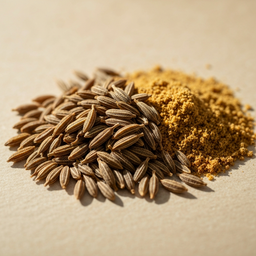 Cumin
Cumin 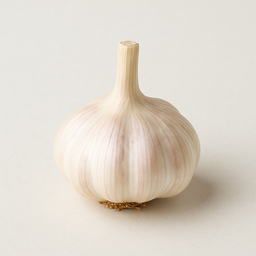 Garlic
 Double digestive support: enzymes + bioactive compounds
Technical: Cumin promotes digestive enzyme activity (amylase, lipase, protease) and increases bile flow. Garlic's allicin has broad bioactivity targeting pathogenic gut bacteria while sparing beneficial ones.
What does this mean for you? Fry garlic and cumin together as base for curries, soups and stews. Classic combination in virtually every cuisine in the world.
DigestionImmune System
Cumin 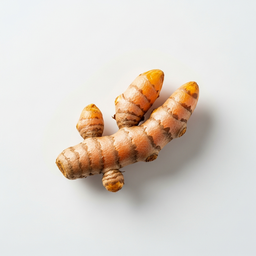 Turmeric
 Classic curry base with enhanced digestion
Technical: Cumin promotes production of digestive enzymes (amylase, lipase, protease) and increases bile flow. Turmeric's curcumin modulates NF-κB and COX-2 signal transduction and supports hepatobiliary activity via bile stimulation. Together they provide enhanced digestion + bioactive action.
What does this mean for you? Cumin + turmeric is the base of every curry. The cumin promotes your digestion, the turmeric adds bioactive action — the perfect combination for a nutritious curry.
DigestionAnti-inflammatory
Cumin 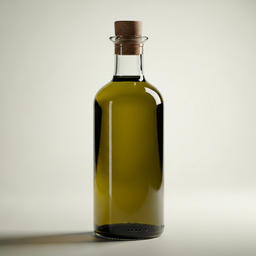 Olive Oil
 Fat activates volatile oils and increases cuminaldehyde absorption
Technical: Cumin's active compounds (cuminaldehyde, cymene, terpinene) are volatile, fat-soluble compounds. Frying in olive oil extracts and stabilizes these compounds, and the fat improves their gut absorption.
What does this mean for you? Briefly fry cumin in olive oil before adding other ingredients (tadka/tempering). This is why Indian and Middle Eastern cuisines always fry cumin in oil.
DigestionAnti-inflammatoryBlood Sugar
Olive Oil Garlic Aglio e olio: allicin + oleocanthal via complementary biochemical pathways
Technical: Garlic contains allicin (formed when cutting/crushing) that influences HMG-CoA reductase (involved in lipid metabolism). Olive oil contains oleocanthal that modulates COX-1/2 enzymes. Together they influence lipid metabolism and prostaglandin cascade via complementary biochemical pathways. The fat also helps absorb fat-soluble garlic compounds.
What does this mean for you? Gently warm garlic in olive oil (don't burn!) as the base for many dishes. This is why 'aglio e olio' pasta is so beloved — two bioactive compounds that reinforce each other.
HeartImmune System
Olive Oil 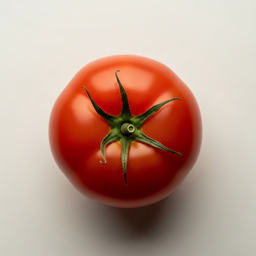 Tomato
 Mediterranean golden rule: fat increases lycopene absorption 4x
Fat significantly increases lycopene bioavailability (PMID: 15927929)
Technical: Tomatoes contain lycopene (3-7mg per 100g), a carotenoid with strong antioxidant action. Lycopene is fat-soluble with only 10-15% absorption without fat. Olive oil increases this to 40-60% (2.5-4x improvement). Cooking further increases lycopene bioavailability.
What does this mean for you? Always add olive oil to tomato dishes — sauces, salads, bruschetta. This is why Mediterranean cuisine is so healthy. Cooked tomatoes with olive oil = maximum lycopene.
HeartSkin & Hair
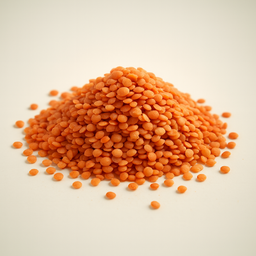 Red Lentils Tomato
 Tomato increases iron absorption from lentils
Technical: Red lentils contain 3.3mg non-heme iron per 100g. Tomatoes provide vitamin C (14mg per 100g) plus citric acid and malic acid that promote iron absorption. When slow-cooked (stew/dal), tomatoes concentrate, increasing organic acid content. This is the basis of Indian dal — one of the most nutritious plant-based dishes.
What does this mean for you? Cook red lentils with fresh or canned tomatoes for a nutritious dal. The tomatoes increase iron absorption, and cooking the lentils makes them softer and more digestible. Add turmeric and cumin for an authentic Indian result.
Energy
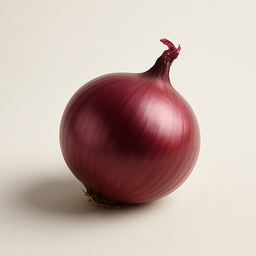 Red Onion Olive Oil
 Fat increases bioavailability of quercetin from red onion
Technical: Red onion contains 32-65mg quercetin per 100g — the richest food source. Quercetin is poorly water-soluble (2μg/mL) but dissolves well in fats. Olive oil increases quercetin oral bioavailability by 50-70% through lipid-based lymphatic transport instead of the portal vein.
What does this mean for you? Sauté red onion in olive oil (soffritto) for maximum quercetin absorption. Oil dissolves quercetin and improves transport to your bloodstream. Caramelizing also enhances flavor.
Anti-inflammatoryHeart
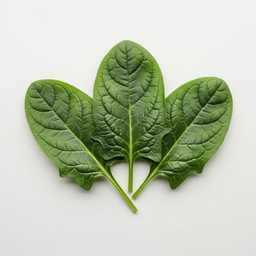 Spinach Olive Oil
 Makes fat-soluble vitamins and antioxidants available
Technical: Spinach contains 483μg vitamin K (403% RDI), 5626μg beta-carotene, 2mg vitamin E and 12.2mg lutein — all fat-soluble. Without fat only 5-10% is absorbed. Olive oil's monounsaturated fats (73% oleic acid) form micelles that increase absorption 2-5x.
What does this mean for you? Always eat spinach with olive oil or another fat source. Without fat you waste most of spinach's impressive vitamin profile. A drizzle of olive oil is essential for proper absorption.
Skin & HairJoints
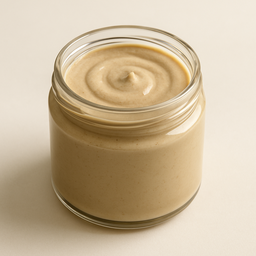 Tahini Garlic
 Hummus base with immune support
Technical: Tahini provides calcium (426mg/100g), magnesium (95mg), zinc (4.6mg) and sesamin (antioxidant lignan). Garlic contains allicin that offers bioactive action via T-cell activation. Zinc from tahini contributes to the normal function of the immune system (EFSA) — the nutritional foundation of hummus.
What does this mean for you? Make hummus with tahini and fresh garlic. The tahini gives minerals like zinc, the garlic bioactive compounds — a nutritious dip.
Immune SystemJoints
Ingredients (11)
+8 more ingredientsInstructions
- 1 Rinse the red lentils thoroughly and cook for 12-15 minutes in water with turmeric, cumin and a pinch of salt until tender but with some structure. Drain.
Nutrition per serving
Indicative values per serving.
Timing & Suitability
Shelf life: 2 days in fridge
Tags & Diet
Allergens: Sesame