- Easy
- 45 min
- 2 serv.
- 10 synergies
- Now at its best: Red Bell Pepper
A warm salad with quinoa, roasted bell pepper, zucchini and eggplant with cumin, and a creamy tahini-lemon dressing with fresh parsley.
While the oven roasts the vegetables golden — bell pepper, zucchini and eggplant with cumin and garlic — you cook the quinoa until fluffy and done. The scent of roasted cumin fills the kitchen. The tahini dressing is whisked quickly: tahini, lemon juice and a splash of water, creamy and slightly tart. The lukewarm quinoa goes on plates, hot roasted vegetables on top, dressing drizzled over, and a shower of fresh parsley finishes it. A salad that works warm and cold, and that still makes you happy as next-day lunch.
- 15
- min prep
- 30
- min cook
- 45
- min total
Nutritional Synergies
This recipe combines ingredients that enhance each other:
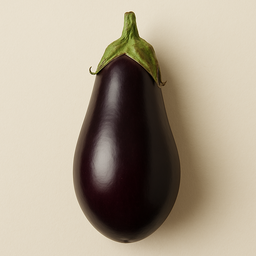 Eggplant
 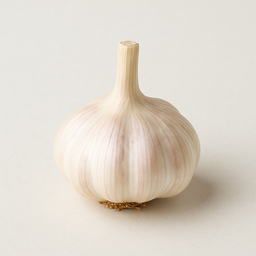 Garlic
 Chlorogenic acid + allicin: complementary NF-κB modulation
Technical: Eggplant contains chlorogenic acid (NF-κB modulation) and nasunin (iron chelator influencing lipid peroxidation). Garlic's allicin (formed when cut) has bioactive action via thiol enzyme inhibition. Together they modulate NF-κB signaling through complementary pathways.
What does this mean for you? Baba ganoush or imam bayıldı — classic combinations that have existed for centuries. Cut garlic 10 minutes before heating for maximum allicin formation.
Immune SystemAnti-inflammatory
Eggplant 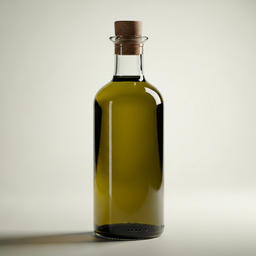 Olive Oil
 Fat makes nasunin (purple antioxidant) absorbable
Technical: Nasunin in the purple eggplant skin is a fat-soluble anthocyanin that crosses the blood-brain barrier. Olive oil's unsaturated fats (73% oleic acid) form micelles that increase nasunin absorption up to 3x.
What does this mean for you? Eggplant absorbs oil like a sponge — that's actually an advantage! The oil makes nasunin absorbable. Fry in olive oil for maximum effect.
FocusHeart
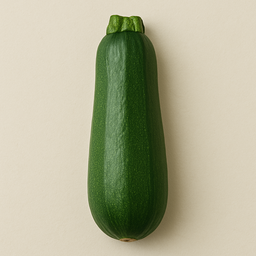 Zucchini Garlic
 Potassium + allicin: complementary mineral-sulfur pathway
Technical: Zucchini contains 261mg potassium per 100g — potassium contributes to the maintenance of normal blood pressure (EFSA-approved). Garlic's allicin influences angiotensin-converting enzyme (ACE) and stimulates NO production via the nitrate-nitrite-NO pathway. Together they influence vascular physiology via two complementary mechanisms: electrolyte balance and NO signaling.
What does this mean for you? Sautéed zucchini with garlic is a simple side dish with two pathways influencing vascular physiology. Potassium from zucchini and allicin from garlic work complementarily. Add olive oil for extra polyphenols.
HeartAnti-inflammatory
Zucchini Olive Oil Better absorption of lutein and zeaxanthin
Technical: Zucchini contains 2125μg lutein + zeaxanthin per 100g — carotenoids that accumulate in the macula lutea (the center of the retina). These are fat-soluble and absorbed up to 6x better with olive oil. Zucchini's mild flavor makes it an ideal carrier for olive oil in various dishes.
What does this mean for you? Sauté zucchini in olive oil or grill with a drizzle of oil. Without fat you barely absorb lutein — the eye pigment that concentrates in your macula. Lutein and zeaxanthin contribute to the maintenance of normal vision.
General Wellness
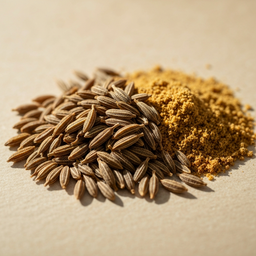 Cumin Garlic
 Double digestive support: enzymes + bioactive compounds
Technical: Cumin promotes digestive enzyme activity (amylase, lipase, protease) and increases bile flow. Garlic's allicin has broad bioactivity targeting pathogenic gut bacteria while sparing beneficial ones.
What does this mean for you? Fry garlic and cumin together as base for curries, soups and stews. Classic combination in virtually every cuisine in the world.
DigestionImmune System
Cumin Olive Oil Fat activates volatile oils and increases cuminaldehyde absorption
Technical: Cumin's active compounds (cuminaldehyde, cymene, terpinene) are volatile, fat-soluble compounds. Frying in olive oil extracts and stabilizes these compounds, and the fat improves their gut absorption.
What does this mean for you? Briefly fry cumin in olive oil before adding other ingredients (tadka/tempering). This is why Indian and Middle Eastern cuisines always fry cumin in oil.
DigestionAnti-inflammatoryBlood Sugar
Olive Oil Garlic Aglio e olio: allicin + oleocanthal via complementary biochemical pathways
Technical: Garlic contains allicin (formed when cutting/crushing) that influences HMG-CoA reductase (involved in lipid metabolism). Olive oil contains oleocanthal that modulates COX-1/2 enzymes. Together they influence lipid metabolism and prostaglandin cascade via complementary biochemical pathways. The fat also helps absorb fat-soluble garlic compounds.
What does this mean for you? Gently warm garlic in olive oil (don't burn!) as the base for many dishes. This is why 'aglio e olio' pasta is so beloved — two bioactive compounds that reinforce each other.
HeartImmune System
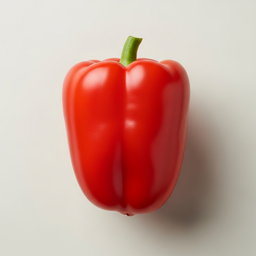 Red Bell Pepper Olive Oil
 Fat improves carotenoid absorption
Technical: Red pepper contains 3131μg beta-carotene per 100g — significantly more than green (208μg). Carotenoids are absorbed via passive transport with mixed micelles. Oleic acid (73% of olive oil) forms these micelles and increases beta-carotene absorption up to 5x (American Journal of Clinical Nutrition).
What does this mean for you? Roasted pepper with olive oil isn't just tasty but increases beta-carotene absorption up to 5x. Your body can barely absorb it without fat.
Immune SystemSkin & Hair
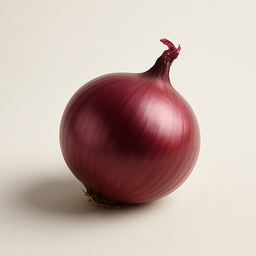 Red Onion Olive Oil
 Fat increases bioavailability of quercetin from red onion
Technical: Red onion contains 32-65mg quercetin per 100g — the richest food source. Quercetin is poorly water-soluble (2μg/mL) but dissolves well in fats. Olive oil increases quercetin oral bioavailability by 50-70% through lipid-based lymphatic transport instead of the portal vein.
What does this mean for you? Sauté red onion in olive oil (soffritto) for maximum quercetin absorption. Oil dissolves quercetin and improves transport to your bloodstream. Caramelizing also enhances flavor.
Anti-inflammatoryHeart
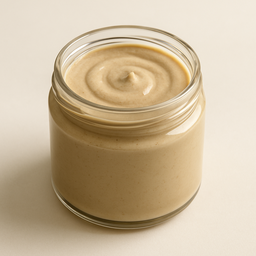 Tahini Garlic
 Hummus base with immune support
Technical: Tahini provides calcium (426mg/100g), magnesium (95mg), zinc (4.6mg) and sesamin (antioxidant lignan). Garlic contains allicin that offers bioactive action via T-cell activation. Zinc from tahini contributes to the normal function of the immune system (EFSA) — the nutritional foundation of hummus.
What does this mean for you? Make hummus with tahini and fresh garlic. The tahini gives minerals like zinc, the garlic bioactive compounds — a nutritious dip.
Immune SystemJoints
Ingredients (11)
-
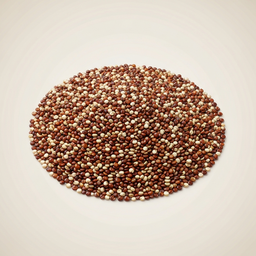 Quinoa — 150 g dry weight
 - Red Bell Pepper — 200 g cut into pieces
- Zucchini — 200 g cut into half moons
Instructions
- 1 Rinse quinoa thoroughly and cook in lightly salted water according to package (usually 15 minutes). Let stand covered until lukewarm.
Nutrition per serving
Indicative values per serving.
Timing & Suitability
Shelf life: 2 days in fridge
Tags & Diet
Allergens: Sesame