- Easy
- 15 min
- 1 serv.
- 9 synergies
- Now at its best: Walnuts
Warm oatmeal cooked with maca powder and cacao, served with banana, almond butter, walnuts and honey. Creamy, sweet and filling. Ready in 15 minutes.
This is the morning ritual. The same every day, but different each day. Oatmeal bubbles in milk, gets thicker, creamier. Then the powder goes in: maca first — that earthy, slightly bitter taste. Cacao after — immediately everything turns brown, that chocolate scent fills the kitchen. Stir until smooth. Spoon into a bowl. Now comes the rest: banana in slices — yellow, soft, sweet. Almond butter — a spoonful on top, slowly sinks into the warm oatmeal, starts to melt. Walnuts — cracked, crunchy, bitter against the sweet. Honey — drips over in a thin line, golden yellow, pulls down. The first moment: the spoon in, stir everything together — cacao, banana, almond butter, walnut. Taste. This tastes like comfort. Not sweet like sugar, but full like real food. The oatmeal holds you, the banana gives softness, the walnuts crack between your teeth, the cacao brings that deep flavor. This is the breakfast you get up for on a cold morning.
- 10
- min prep
- 5
- min cook
- 15
- min total
Nutritional Synergies
This recipe combines ingredients that enhance each other:
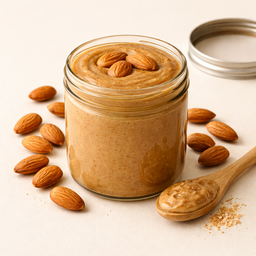 Almond Butter
 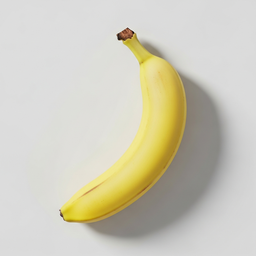 Banana
 Magnesium + tryptophan for better sleep and muscle relaxation
Technical: Almond butter contains 270mg magnesium per 100g (68% RDA). Banana provides tryptophan, an amino acid converted via serotonin to melatonin (sleep hormone). Magnesium activates GABA receptors — the brake on your nervous system — and regulates melatonin receptors. This dual approach shortens sleep onset and improves sleep quality.
What does this mean for you? Eat a banana with almond butter 1-2 hours before bed. The magnesium calms your muscles and nerves, while the banana signals your body to produce melatonin.
SleepStress ReliefMuscle Gain
Banana 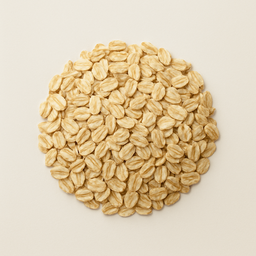 Oatmeal
 Perfect breakfast combination for sustained energy
Technical: Banana contains fast carbohydrates (glucose, fructose, sucrose — 22g per 100g) and 358mg potassium. Oatmeal provides beta-glucans (4g per 100g) — soluble fiber that forms a gel and slows carbohydrate absorption. The combination offers layered energy release: first quick energy from banana, then slow energy from oats. Both also contain tryptophan for serotonin production.
What does this mean for you? Oatmeal with banana is the perfect breakfast for sustained energy without the 11am dip. The banana makes it sweeter without sugar, and potassium helps with fluid balance and muscle function. Add nuts for even more satiety.
EnergyMuscle Gain
Banana 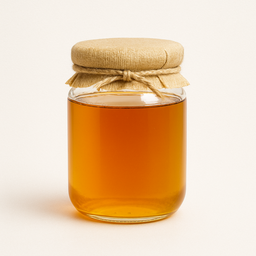 Honey
Honey Quick + slow sugars with potassium for sport and recovery
Technical: Banana contains 358mg potassium and 22g carbohydrates (mix of glucose, fructose, sucrose). Honey provides quick glucose + fructose plus prebiotic FOS. The combination offers immediate energy (honey) plus slower energy (banana starch) and electrolytes (potassium).
What does this mean for you? Banana with honey is an ideal pre- or post-workout snack. The potassium prevents muscle cramps, the sugars replenish glycogen.
EnergyMuscle GainDigestion
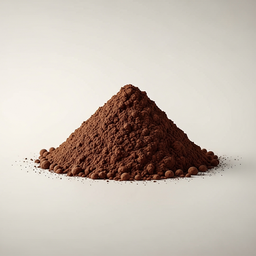 Raw cacao Banana
 Perfect smoothie combination for energy and mood
Technical: Cacao contains theobromine (mild stimulant, 250mg/100g) and 230mg magnesium. Banana provides tryptophan (serotonin precursor) and fast carbohydrates that improve tryptophan uptake in the brain. Magnesium supports conversion of tryptophan to serotonin. The result: a natural mood and energy boost.
What does this mean for you? Make a smoothie with cacao and banana for a natural energy shot. The banana gives instant energy, the cacao adds focus and a good feeling.
EnergyFocus
Oatmeal 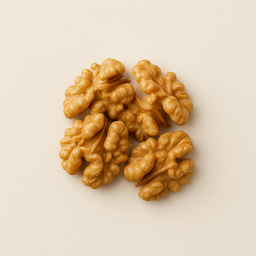 Walnuts
 Soluble fiber + omega-3 for lipid profile and cognition
Technical: Oatmeal's beta-glucans form a gel in the gut that binds bile acids. Walnuts provide ALA omega-3 (9g/100g), melatonin and ellagic acid. The combination supports the lipid profile via two routes: bile acid binding + omega-3 metabolism.
What does this mean for you? Oatmeal with walnuts is a breakfast classic that is genuinely synergistic. The beta-glucans and omega-3 both support your lipid profile, the melatonin in walnuts contributes to your circadian rhythm.
HeartFocus
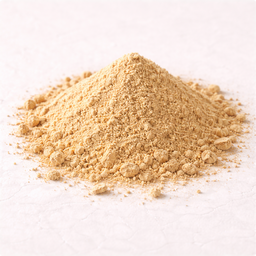 Maca Powder Banana
 Adaptogen + potassium for energy and hormonal balance
Technical: Maca (Lepidium meyenii) contains macamides and macaenes that regulate the hypothalamic-pituitary-adrenal/gonadal axis without containing hormones themselves. Banana provides 358mg potassium and quick carbohydrates (22g sugars) as energy source. Potassium supports adrenal function that maca modulates. Studies show 1.5-3g maca per day improves energy, libido and mood after 6-8 weeks. The banana enhances the energetic effect.
What does this mean for you? Add a teaspoon of maca powder to your banana smoothie. The banana masks maca's earthy taste and provides immediate energy, while maca supports your hormonal balance long-term.
Hormonal BalanceEnergyStress Relief
Maca Powder Raw cacao Adaptogens + theobromine for energy without stress
Technical: Maca contains macamides and macaenes — unique compounds supporting adrenal function and modulating the endocannabinoid system (adaptogenic effect). Cacao provides theobromine (mild stimulant without cortisol spike) and anandamide ('bliss molecule'). Honey adds quick glucose. Together: adaptogenic energy + gentle stimulation + mood.
What does this mean for you? Make a smoothie or latte with maca, cacao and honey. Energy without stress — the maca calms your adrenals while cacao gives gentle alertness.
EnergyHormonal Balance
Maca Powder Honey Adaptogens + theobromine for energy without stress
Technical: Maca contains macamides and macaenes — unique compounds supporting adrenal function and modulating the endocannabinoid system (adaptogenic effect). Cacao provides theobromine (mild stimulant without cortisol spike) and anandamide ('bliss molecule'). Honey adds quick glucose. Together: adaptogenic energy + gentle stimulation + mood.
What does this mean for you? Make a smoothie or latte with maca, cacao and honey. Energy without stress — the maca calms your adrenals while cacao gives gentle alertness.
EnergyHormonal Balance
Walnuts Honey ALA omega-3 + enzymatic honey: complementary bioactive pathways
Technical: Walnuts' ALA (omega-3) influences prostaglandin metabolism via complementary biochemical pathways. Honey's glucose oxidase produces hydrogen peroxide. Together they provide two complementary bioactive pathways: walnuts via the omega-3 → prostaglandin pathway, honey via enzymatic activity.
What does this mean for you? Walnuts with honey is a classic combination — the omega-3 fatty acids influence prostaglandin metabolism, honey provides enzymes such as glucose oxidase. Two complementary pathways in one snack.
HeartImmune SystemEnergy
Instructions
- 1 Cook the oats in the milk in a small saucepan over low heat for 5 minutes. Stir regularly to prevent burning. The oatmeal should become thick and creamy.
Nutrition per serving
Indicative values per serving.
Timing & Suitability
Shelf life: 2 days in fridge
Tags & Diet
Allergens: Dairy, Nuts