- Easy
- 30 min
- 2 serv.
- 6 synergies
- Now at its best: Carrot
An Indonesian-inspired bowl with tempeh marinated in soy and ginger, tender rice noodles and crunchy carrot and cucumber. Edamame adds green bite; a warm peanut sauce with lime juice makes the bowl creamy and bright at once.
The tempeh smells first of soy and garlic, then forms a thin crisp crust in the pan that contrasts with its soft center. The noodles are smooth and warm, perfect for catching the peanut sauce without turning gluey. Carrot and cucumber slip in cool crunch between savory bites, cilantro and lime keep the aroma bright and citrusy. It is street-food comfort: rich in flavor, with a fresh exhale at the end.
- 15
- min prep
- 15
- min cook
- 30
- min total
Nutritional Synergies
This recipe combines ingredients that enhance each other:
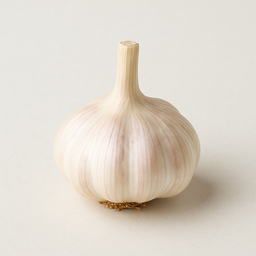 Garlic
 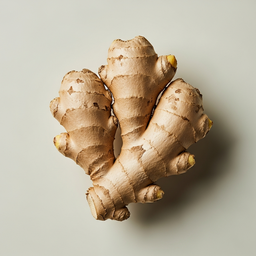 Fresh ginger
 Allicin + gingerols: complementary bioactive action
Technical: Garlic's allicin works via thiol enzyme inhibition — effective against gram-positive bacteria (Staphylococcus, Streptococcus). Ginger's gingerols and shogaols influence viral replication and stimulate interferon production. Together they cover both bacterial and viral pathways.
What does this mean for you? Garlic-ginger tea is a classic combination. Garlic works via thiol enzymes, ginger via interferon pathways. Cut both fresh for maximum active compounds — allicin only forms after 10 minutes of air exposure.
Immune System
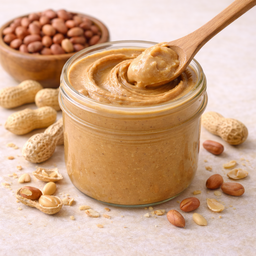 Peanut butter
 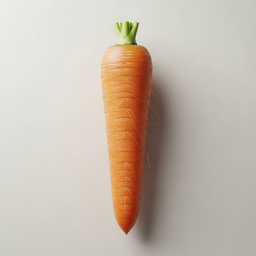 Carrots
 Fat from nut butter increases carotenoid absorption by 3-6x
Technical: Carotenoids (beta-carotene, lutein, lycopene) in vegetables are fat-soluble and poorly absorbed without fat (5-10%). Nut butters contain 50-60g fat per 100g. Just 3-5g fat (1 tablespoon nut butter) increases carotenoid absorption to 30-60% — a 3-6x improvement. This applies to carrot, bell pepper, spinach and other colorful vegetables.
What does this mean for you? Dip veggie sticks in peanut butter or almond butter. The fat from the nut butter ensures your body absorbs 3-6x more vitamins from the vegetables.
Immune SystemSkin & HairGeneral Wellness
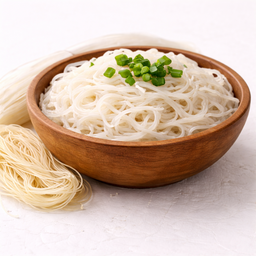 Rice noodles (dry) Fresh ginger
 Mild carbohydrates + gingerols for digestion and warmth
Technical: Rice noodles are gluten-free and easily digestible with moderate starch (24g/100g cooked). Ginger contains gingerols and shogaols that promote gastric motility via 5-HT3 antagonism and prokinetic action. Gingerols increase production of digestive enzymes.
What does this mean for you? Rice noodles with ginger is a classic Asian combination that's easily digestible. The ginger keeps your digestion active while the noodles provide gentle energy.
DigestionImmune System
Rice noodles (dry) 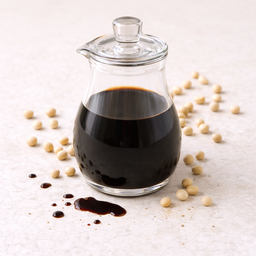 Soy sauce
 Sesame + soy = complete amino acids + fats
Technical: Rice noodles (rice flour) are low in lysine — the limiting amino acid in rice protein. Soy sauce (fermented soybeans) is rich in lysine and provides free glutamate for umami. Sesame oil contains methionine (complementary amino acid) plus sesamin and sesamol — unique lignans with antioxidant action. Together they form an amino acid-complete profile.
What does this mean for you? Stir-fry rice noodles with sesame oil and soy sauce — this is the foundation of countless Asian dishes. The three together provide complete proteins, healthy fats AND intense umami flavor. Add vegetables for a complete meal.
Muscle GainGeneral Wellness
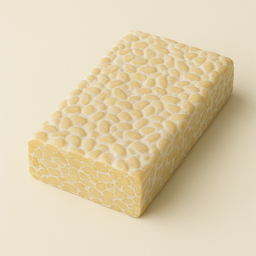 Tempeh Fresh ginger
 Protein digestion + bioactive gingerols
Technical: Tempeh's Rhizopus oligosporus mycelium has already started protein breakdown during fermentation — proteins are partially hydrolyzed and more digestible. Ginger's gingerols speed up gastric emptying by ~25%. Together they optimize protein digestion: tempeh makes protein 'pre-digested', ginger accelerates further breakdown.
What does this mean for you? Fry tempeh with fresh ginger and tamari — a classic Indonesian preparation. The ginger not only helps flavor-wise but also ensures you maximize protein utilization from tempeh. Ideal after exercise.
DigestionAnti-inflammatory
Tempeh Soy sauce Double fermented: complete umami + enhanced isoflavone absorption
Technical: Tempeh and soy sauce are both fermented from soybeans but through different processes. Tempeh contains Rhizopus oligosporus, soy sauce Aspergillus. Together they provide: complete amino acid profile, umami (glutamate from soy sauce enhances flavor), and increased isoflavone bioavailability through fermentation.
What does this mean for you? Marinate tempeh in soy sauce with ginger and garlic, then fry. This is the standard Indonesian preparation method.
Muscle GainHormonal Balance
Ingredients (11)
- Tempeh — 250 g Cubed
- Rice noodles (dry) — 260 g Flat or thin
- Peanut butter — 4 tbsp Unsweetened, creamy
Instructions
- 1 Mix soy sauce, grated ginger and garlic for the tempeh marinade.
- 2 Marinate the tempeh cubes for 15–20 minutes.
Nutrition per serving
Indicative values per serving.
Timing & Suitability
Shelf life: 1 days in fridge
Tags & Diet
Allergens: Peanuts, Soy, Gluten