- Easy
- 35 min
- 2 serv.
- 3 synergies
- Now at its best: Parsley
A modern tabbouleh with quinoa instead of bulgur, mountains of fresh parsley and mint, crunchy walnuts and a sharp lemon-olive oil dressing. Gluten-free and full of flavour.
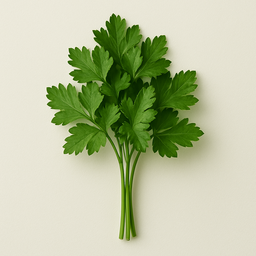
The trick with tabbouleh is that the herbs are the star, not the grain. This is not a quinoa salad with some parsley — this is a parsley salad that happens to contain quinoa. Chop the parsley and mint finely but not to a paste, you still want texture. The quinoa gives body and that nutty undertone that bulgur lacks, the walnuts provide crunch. Cut tomato and cucumber into small equal dice — no larger than half a centimetre, that's the Lebanese way. The dressing is generous lemon juice with good olive oil and a clove of garlic, sharp enough to cut through all that green. Make the salad half an hour ahead, so the quinoa has time to absorb the dressing. In a wrap the next day it's at least as good.
- 20
- min prep
- 15
- min cook
- 35
- min total
Nutritional Synergies
This recipe combines ingredients that enhance each other:
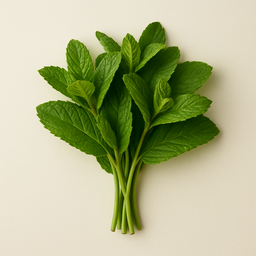 Mint
Mint  Cucumber
 Ultimate cooling: menthol + water-rich food
Technical: Mint contains menthol (40-50% of essential oil) that activates TRPM8 cooling receptors - you feel cooling without temperature drop. Cucumber is 96% water and provides electrolytes. Together they offer both physiological and sensory cooling.
What does this mean for you? Add fresh mint to cucumber water or raita. Ideal in hot weather, after exercise, or for hot flashes. The combination works better than either ingredient alone.
DigestionStress ReliefEnergy
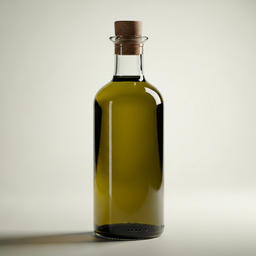 Olive Oil
 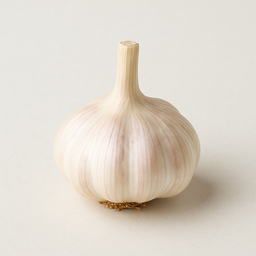 Garlic
 Aglio e olio: allicin + oleocanthal via complementary biochemical pathways
Technical: Garlic contains allicin (formed when cutting/crushing) that influences HMG-CoA reductase (involved in lipid metabolism). Olive oil contains oleocanthal that modulates COX-1/2 enzymes. Together they influence lipid metabolism and prostaglandin cascade via complementary biochemical pathways. The fat also helps absorb fat-soluble garlic compounds.
What does this mean for you? Gently warm garlic in olive oil (don't burn!) as the base for many dishes. This is why 'aglio e olio' pasta is so beloved — two bioactive compounds that reinforce each other.
HeartImmune System
Olive Oil 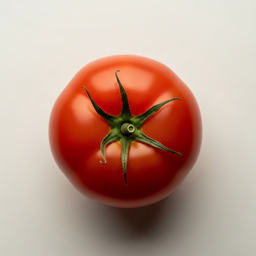 Tomato
 Mediterranean golden rule: fat increases lycopene absorption 4x
Fat significantly increases lycopene bioavailability (PMID: 15927929)
Technical: Tomatoes contain lycopene (3-7mg per 100g), a carotenoid with strong antioxidant action. Lycopene is fat-soluble with only 10-15% absorption without fat. Olive oil increases this to 40-60% (2.5-4x improvement). Cooking further increases lycopene bioavailability.
What does this mean for you? Always add olive oil to tomato dishes — sauces, salads, bruschetta. This is why Mediterranean cuisine is so healthy. Cooked tomatoes with olive oil = maximum lycopene.
HeartSkin & Hair
Ingredients (9)
+7 more ingredients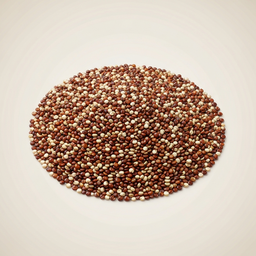
Instructions
- 1 Cook the quinoa in lightly salted water according to the package. Drain, let cool completely and fluff with a fork.
Nutrition per serving
Indicative values per serving.
Timing & Suitability
Shelf life: 2 days in fridge
Tags & Diet
Allergens: Nuts