- Medium
- 780 min
- 12 serv.
- 4 synergies
- Now at its best: Honey
Homemade sourdough whole wheat bread with the full, nutty flavor that only an overnight fermentation can give. The long rise makes the dough lighter and more digestible than quick yeast bread.
It starts in the evening. You mix the flour with the starter, cover it up, and go to sleep. In the quiet hours, the dough does its work — bubbling, rising, and slowly developing that deep, complex flavor you won't find at any bakery.
The next morning, it's time. Your hands sink into the soft, airy dough that smells of yeast and grain. After shaping, a few more hours of patience. Then into the oven, high heat, with a dish of water for steam. Forty-five minutes later: a dark brown crust that cracks under your fingers, a crumb that chews firmly with a subtle sourness. This is bread as it was meant to be — slow, honest, with nothing in it that doesn't belong.
- 45
- min prep
- 50
- min cook
- 780
- min total
Nutritional Synergies
This recipe combines ingredients that enhance each other:
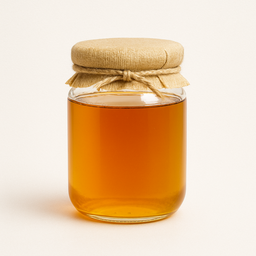 Honey
Honey 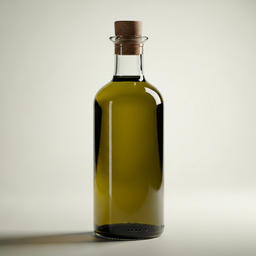 Olive oil
 Dual bioactive action via chrysin + oleocanthal
Technical: Honey contains chrysin and olive oil oleocanthal — bioactive phenolic compounds studied in research in connection with NF-κB and COX signaling. Together they provide plant compounds through two independent routes.
What does this mean for you? A dressing of honey and olive oil is not just tasty — the chrysin and oleocanthal work through two different routes in your body.
Anti-inflammatoryHeartJoints
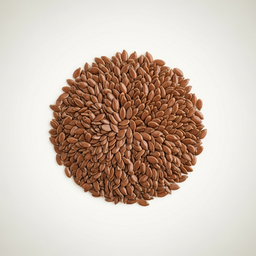 Flaxseed Olive oil
 ALA omega-3 + oleic acid: complementary fatty acids for heart and brain
Technical: Flaxseed contains 23g ALA (omega-3) per 100g. Olive oil contains 73% oleic acid (omega-9) with proven cardiovascular benefits. ALA is partly converted to EPA/DHA, while oleic acid lowers LDL. Together they offer complementary lipid modulation.
What does this mean for you? Add ground flaxseed to salads with olive oil dressing, or mix into pesto. Two fatty acid sources that protect your heart through different routes.
HeartFocusAnti-inflammatory
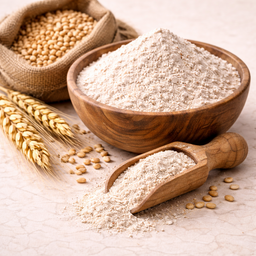 Whole wheat flour
 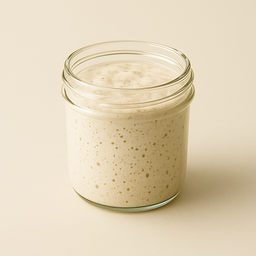 Sourdough starter
 Sourdough fermentation breaks down 60-70% of phytic acid in whole grain
Technical: Whole wheat flour contains 800-1200mg phytic acid per 100g, which binds iron, zinc and magnesium making them unabsorbable. Lactic acid bacteria in the sourdough starter produce phytase enzymes during fermentation (pH 4-5) that break down the majority of phytates in 12-24 hours.
What does this mean for you? Sourdough bread is fundamentally different from regular bread in nutritional value. The long fermentation releases minerals that would otherwise be blocked. Let the dough rise for at least 12 hours for maximum effect.
EnergyGeneral WellnessDigestion
 Sea salt Olive oil
 Minerals + polyphenols for cellular balance
Technical: Sea salt's sodium is essential for the sodium-potassium pump (Na+/K+-ATPase) that regulates every body cell. Olive oil's oleuropein and hydroxytyrosol provide antioxidant protection for cell membranes. The combination supports cell integrity: sea salt regulates ion balance, olive oil protects the membrane. In Mediterranean cuisine, coarse sea salt + olive oil is the most basic flavor profile.
What does this mean for you? Freshly ground sea salt with extra virgin olive oil is the simplest and most nutritious finishing of any dish. The combination provides the basic needs of your cells: minerals for function, polyphenols for protection.
HeartGeneral Wellness
Ingredients (8)
+6 more ingredientsInstructions
- 1 Mix the active sourdough starter with lukewarm water in a large bowl until dissolved.
- 2 Add the whole wheat flour, salt, and optional olive oil and honey.
- 3 Mix to a rough dough and let rest 30 minutes (autolyse) — this hydrates the flour.
Nutrition per serving
Indicative values per serving.
Timing & Suitability
Shelf life: 5 days in fridge
Tags & Diet
Allergens: Gluten