- Easy
- 20 min
- 2 serv.
- 8 synergies
- Fully in season
A fresh Japanese salad with wakame, cucumber and sesame in a tangy dressing of rice vinegar, tamari and sesame oil. Light, mineral-rich and ready in 20 minutes.
There are side dishes you order as an afterthought, and then they turn out to be the best thing on the table. This wakame cucumber salad is exactly that.
It starts with soaked wakame — silky seaweed with that subtle, briny taste of the ocean. Alongside: thin cucumber slices, briefly salted so they release just a bit of moisture and become extra crunchy. The dressing brings it all together: rice vinegar for brightness, tamari for depth, sesame oil for that warm, nutty undertone, and a touch of fresh ginger that wakes everything up. Sprinkle with toasted sesame seeds and green onion rings, and you have a salad that takes twenty minutes but tastes like you're sitting in Tokyo.
- 20
- min prep
- 0
- min cook
- 20
- min total
Nutritional Synergies
This recipe combines ingredients that enhance each other:
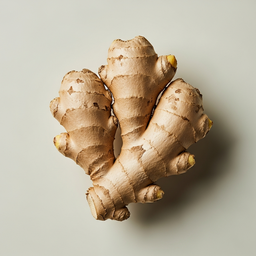 Ginger
 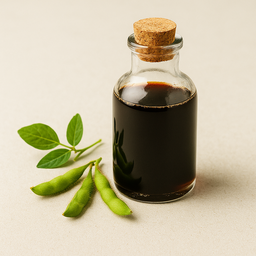 Tamari
 Asian umami base with bioactive action
Technical: Ginger contains gingerols and shogaols that modulate COX-2. Tamari (gluten-free soy sauce) provides umami flavor plus fermented compounds supporting gut flora. Together they form the base of many Asian dishes and offer both flavor and bioactive action.
What does this mean for you? Ginger + tamari is the base of stir-fries, marinades and dressings. Two ingredients that enhance each other's flavor and combine bioactive compounds.
DigestionAnti-inflammatory
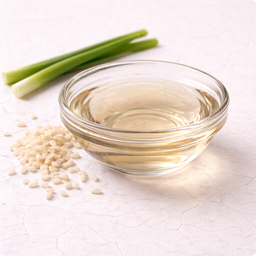 Rice Vinegar Ginger
 Acetic acid + gingerols for glycemic support and bioactive action
Technical: Rice vinegar contains 4-5% acetic acid that inhibits alpha-amylase (slows carbohydrate digestion) and dampens the postprandial glycemic response. Ginger's gingerols support insulin sensitivity via AMPK activation. Together they slow carbohydrate breakdown (vinegar) and support glucose uptake in cells (ginger). Rice vinegar also has a low pH (2.4-3.4) that preserves sushi rice.
What does this mean for you? Ginger-rice vinegar dressing (sunomono style) with rice dishes dampens the blood sugar spike. This is why sushi rice with gari (pickled ginger in rice vinegar) is so cleverly composed.
Blood SugarDigestion
Rice Vinegar 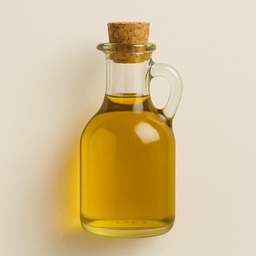 Sesame Oil
 Acetic acid emulsion with sesame oil for mineral absorption
Technical: Rice vinegar's acetic acid (4-5%) chelates minerals (calcium, magnesium, iron) into soluble acetates that are more absorbable. Sesame oil contains sesamin (lignan) that improves intestinal calcium absorption via vitamin D receptor activation. The emulsion of vinegar + oil (vinaigrette principle) distributes fat-soluble compounds from sesame oil into small droplets offering larger absorption surface.
What does this mean for you? Rice vinegar + sesame oil is the base of Asian dressings and dipping sauces. Use this combination over salad, blanched vegetables or cold noodles for better mineral absorption.
General WellnessHeart
Sesame Oil Ginger Asian cooking base: lignans + gingerols via complementary pathways
Technical: Sesame oil contains sesamin and sesamolin (lignans) with antioxidant action. Ginger contains gingerols that modulate COX-2. Both compounds influence NF-κB via complementary mechanisms. The fat in sesame oil also improves absorption of fat-soluble gingerols.
What does this mean for you? Start Asian dishes with sesame oil + ginger as flavor base. This is the fundamental start of wok dishes and combines two bioactive compounds via complementary pathways.
Anti-inflammatoryDigestion
Sesame Oil 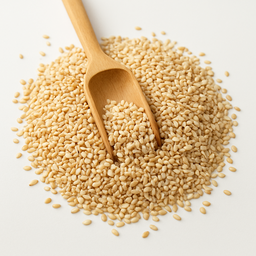 Sesame Seeds
 Sesame oil fats enhance absorption of sesame seed lignans
Technical: Sesame seeds contain lignans (sesamin, sesamolin) that are fat-soluble. Sesame oil provides the ideal fat matrix for absorption. Additionally, the oil contains different bioactive forms (sesamol) that work complementarily to lignans in whole seeds.
What does this mean for you? Top dishes with both sesame seeds and a drizzle of sesame oil — you get the fiber and minerals from the seeds plus optimal lignan absorption.
HeartAnti-inflammatoryHormonal Balance
Tamari Sesame Oil Fermented soy isoflavones + sesamol for antioxidant protection
Technical: Tamari contains fermentation-released isoflavones (genistein, daidzein) that work synergistically with sesame oil's sesamol and sesaminol. Together they provide broader antioxidant protection via different radical scavenging mechanisms.
What does this mean for you? A splash of tamari with sesame oil as dressing or stir-fry sauce gives not only umami flavor but also a double antioxidant effect.
Anti-inflammatoryHeartSkin & Hair
Tamari Sesame Seeds Umami amino acids enhance mineral absorption from sesame seeds
Technical: Tamari's free glutamic acid and amino acids from fermentation promote absorption of zinc and iron from sesame seeds. The organic acids in fermented soy lower intestinal pH, making minerals more soluble.
What does this mean for you? Sprinkle dishes with tamari and sesame seeds together — a classic Asian combination that's not only delicious but also optimizes your mineral absorption.
EnergyImmune SystemGeneral Wellness
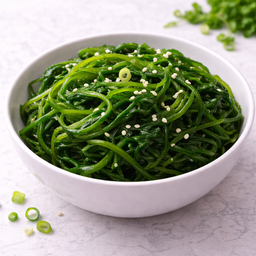 Wakame Sesame Oil
 Better absorption of fat-soluble vitamins from seaweed
Technical: Wakame contains fat-soluble vitamins A (360μg RAE/100g), E, and K, plus fucoxanthin — a unique carotenoid. Without dietary fat, these are barely absorbed. Sesame oil's unsaturated fats (42% oleic acid, 40% linoleic acid) form micelles that increase absorption of these fat-soluble compounds up to 5x.
What does this mean for you? Make a Japanese wakame salad with sesame oil dressing — the oil ensures your body actually absorbs the vitamins and rare fucoxanthin. Without the oil, you eat wakame but miss most of it.
JointsGeneral Wellness
Ingredients (8)
+6 more ingredients
Instructions
- 1 Soak the wakame for 10 minutes in a bowl of cold water. Squeeze out and chop roughly. Sprinkle the cucumber slices with a pinch of salt, let sit for 5 minutes and pat dry with kitchen paper.
Nutrition per serving
Indicative values per serving.
Timing & Suitability
Shelf life: 2 days in fridge
Tags & Diet
Allergens: Soy, Sesame