- Easy
- 20 min
- 2 serv.
- 8 synergies
- Now at its best: Spinach
A meal-sized salad with soft-boiled eggs, creamy avocado, sautéed mushrooms and crunchy Brazil nuts on a bed of spinach. Light in form, yet rich enough to feel like a proper lunch or a calm evening meal.
This is the kind of salad that feels calm and luxurious at the same time. The eggs stay soft and almost creamy in the centre, the mushrooms bring a warm earthy depth, and the avocado makes every bite round and velvety. Spinach keeps everything fresh, while roughly chopped Brazil nuts add just enough crunch to keep the plate interesting. Finished with lemon and olive oil, it becomes a meal that looks clean and simple, yet feels rich and thoughtfully composed — the kind of light dish that lingers longer than you expect.
- 10
- min prep
- 10
- min cook
- 20
- min total
Nutritional Synergies
This recipe combines ingredients that enhance each other:
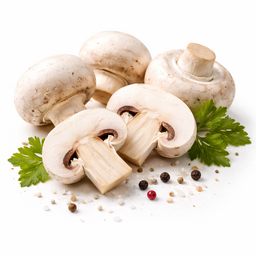 White Button Mushrooms
  Olive Oil
 Increased absorption of ergothioneine and vitamin D
Technical: Mushrooms contain ergothioneine (0.4mg/100g, unique amino acid antioxidant) and vitamin D2 (7 IU/100g, up to 1110 IU after UV exposure). Ergothioneine is absorbed via the specific OCTN1 transporter. Vitamin D is fat-soluble — olive oil increases absorption up to 3x through micelle formation.
What does this mean for you? Sauté mushrooms in olive oil for optimal vitamin D absorption. Tip: place mushrooms in sunlight for 30 minutes first to increase vitamin D content up to 150x.
Immune SystemJoints
 Eggs
Eggs  Avocado
 Double dose of healthy fats and choline
Technical: Eggs contain 147mg choline per egg (27% RDA), essential for the neurotransmitter acetylcholine (memory and focus). Avocado also provides choline (14mg/100g) plus monounsaturated fat that increases absorption of fat-soluble vitamins from the egg (A, D, E, K). Together they deliver a double choline dose plus optimal vitamin absorption.
What does this mean for you? Eat avocado toast with a fried or poached egg. More choline for your memory, and the avocado fat helps absorb all vitamins from the egg.
Focus
Eggs 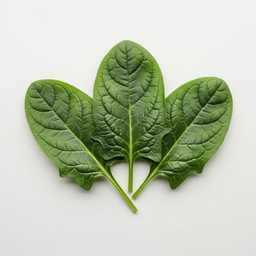 Spinach
 Increases vitamin E absorption by factor 4-7
Technical: Spinach contains vitamin E (2mg/100g), lutein and beta-carotene — all fat-soluble. A study showed that adding an egg (with 5g fat) to a raw vegetable salad increased vitamin E absorption by a factor of 4-7. The egg yolk creates a lipid emulsion serving as transport for these fat-soluble nutrients.
What does this mean for you? Always add an egg to your spinach salad or cook spinach with an egg. Without the egg fat you absorb up to 7x less vitamin E from the spinach.
General Wellness
 Brazil Nuts Eggs
 Complete thyroid support
Technical: Eggs provide tyrosine and iodine — building blocks for thyroid hormones T3 and T4. Brazil nuts are the richest natural source of selenium (1917μg/100g): just 2 nuts cover daily needs. Selenium activates the enzyme deiodinase that converts inactive T4 to active T3. Without selenium your thyroid can produce hormones but not activate them.
What does this mean for you? Eat 2 Brazil nuts with your morning egg. The egg provides the raw material, the Brazil nut the activator — together a complete thyroid breakfast.
Energy
Spinach Avocado Fat source for better absorption of fat-soluble nutrients
Technical: Spinach contains 12.2mg lutein per 100g — highest of all vegetables. Avocado provides 15g monounsaturated fats per 100g that increase carotenoid bioavailability up to 15x (Molecular Nutrition & Food Research). Avocado's own lutein (0.27mg/100g) also contributes.
What does this mean for you? Spinach salad with avocado is an excellent combination for your eye pigments. Without fat you barely absorb lutein — with avocado up to 15x more. Lutein and zeaxanthin contribute to the maintenance of normal vision.
Skin & HairHeartFocus
Spinach Olive Oil Makes fat-soluble vitamins and antioxidants available
Technical: Spinach contains 483μg vitamin K (403% RDI), 5626μg beta-carotene, 2mg vitamin E and 12.2mg lutein — all fat-soluble. Without fat only 5-10% is absorbed. Olive oil's monounsaturated fats (73% oleic acid) form micelles that increase absorption 2-5x.
What does this mean for you? Always eat spinach with olive oil or another fat source. Without fat you waste most of spinach's impressive vitamin profile. A drizzle of olive oil is essential for proper absorption.
Skin & HairJoints
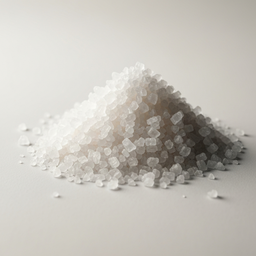 Sea Salt Avocado
 Minerals improve flavor perception and electrolyte balance
Technical: Sea salt contains trace minerals (magnesium, potassium, calcium) besides sodium. Tomato is rich in potassium (237mg/100g) and lycopene. Avocado adds magnesium (29mg) and potassium (485mg). Together they form a broad electrolyte profile: sodium (salt) + potassium (tomato/avocado) + magnesium (avocado) — essential for fluid balance and nerve function.
What does this mean for you? Sprinkle tomato and avocado with a pinch of sea salt. This is more than flavor — the minerals complement each other for a complete electrolyte balance.
HeartEnergy
Sea Salt Olive Oil Minerals + polyphenols for cellular balance
Technical: Sea salt's sodium is essential for the sodium-potassium pump (Na+/K+-ATPase) that regulates every body cell. Olive oil's oleuropein and hydroxytyrosol provide antioxidant protection for cell membranes. The combination supports cell integrity: sea salt regulates ion balance, olive oil protects the membrane. In Mediterranean cuisine, coarse sea salt + olive oil is the most basic flavor profile.
What does this mean for you? Freshly ground sea salt with extra virgin olive oil is the simplest and most nutritious finishing of any dish. The combination provides the basic needs of your cells: minerals for function, polyphenols for protection.
HeartGeneral Wellness
Ingredients (8)
+6 more ingredientsInstructions
- 1 Bring a small pan of water to the boil and cook the eggs for 7 to 8 minutes for a soft but just-set yolk. Rinse under cold water, peel and halve them.
Nutrition per serving
Indicative values per serving.
Timing & Suitability
Shelf life: 1 days in fridge
Tags & Diet
Allergens: Eggs, Nuts