- Easy
- 30 min
- 4 serv.
- 11 synergies
- Now at its best: Spinach
A colourful salad with quinoa, baby spinach, avocado, pomegranate seeds, walnuts and a lemon-honey dressing. On the table in half an hour.
This is the salad you make when you want to impress without spending hours in the kitchen. The quinoa is fluffy and nutty, the avocado creamy, the pomegranate seeds pop with a tangy burst, and the walnuts provide the crunchy bite that holds it all together. Baby spinach is the quiet hero — mild enough not to dominate, but sturdy enough not to wilt under the dressing. And that dressing: lemon, honey and Dijon mustard, three ingredients that together do more than you'd expect. Let the salad sit ten minutes before serving, so the quinoa absorbs the dressing and every forkful is a hit. Feta is optional but honestly — without it it's healthy, with it it's irresistible.
- 15
- min prep
- 15
- min cook
- 30
- min total
Nutritional Synergies
This recipe combines ingredients that enhance each other:
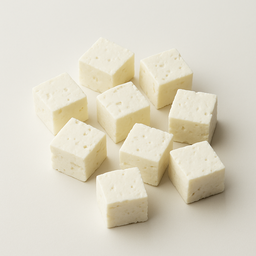 Feta Cheese
 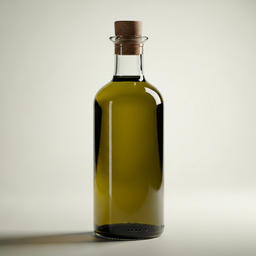 Olive Oil
 Olive oil improves calcium absorption from feta
Technical: Feta contains 493mg calcium per 100g. Fat-soluble vitamins D and K2 are needed for calcium absorption. Olive oil contains mono-unsaturated fats that improve absorption of these vitamins and minerals. Olive oil also contains oleuropein involved in bone metabolism.
What does this mean for you? Always drizzle feta with olive oil — the Mediterranean tradition of feta with olive oil is scientifically smart.
JointsMuscle Gain
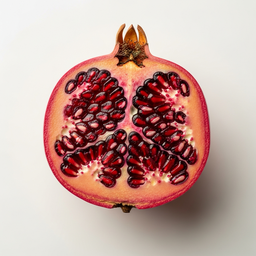 Pomegranate Olive Oil
 Mediterranean polyphenol combination: punicalagins + oleocanthal
Technical: Pomegranate contains punicalagins and punicalins — unique ellagitannins that work via multiple biochemical pathways, including modulation of NF-kB signaling. Olive oil contains oleocanthal — a bioactive phenolic compound that influences COX enzymes. Together they offer complementary polyphenol pathways: ellagitannins via urolithin conversion, oleocanthal via direct enzyme interaction.
What does this mean for you? Drizzle extra virgin olive oil over pomegranate seeds in a salad. This Middle Eastern combination offers two powerful polyphenol sources working via different biochemical pathways. Always use extra virgin olive oil — oleocanthal is lost during refining.
HeartAnti-inflammatory
Pomegranate 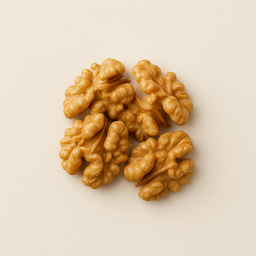 Walnuts
 Complementary polyphenols and omega-3
Technical: Pomegranate contains punicalagins studied in research in connection with LDL oxidation. Walnuts provide ALA omega-3 (9g per 100g); alpha-linolenic acid contributes to the maintenance of normal blood cholesterol levels (EFSA). Both contain unique polyphenols (pomegranate: ellagitannins, walnuts: ellagic acid + pedunculagin) with complementary bioactive pathways.
What does this mean for you? Sprinkle pomegranate seeds and chopped walnuts over your salad or yogurt. This combination provides complementary plant compounds through two routes: polyphenols (pomegranate) + omega-3 fatty acids (walnuts).
Heart
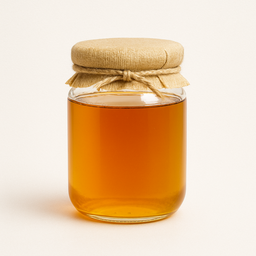 Honey Olive Oil
 Dual bioactive action via chrysin + oleocanthal
Technical: Honey contains chrysin and olive oil oleocanthal — bioactive phenolic compounds studied in research in connection with NF-κB and COX signaling. Together they provide plant compounds through two independent routes.
What does this mean for you? A dressing of honey and olive oil is not just tasty — the chrysin and oleocanthal work through two different routes in your body.
Anti-inflammatoryHeartJoints
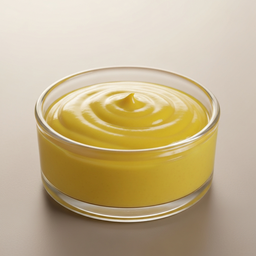 Mustard Olive Oil
 Perfect vinaigrette - mustard as emulsifier
Technical: Mustard contains mucilage (slime) acting as a natural emulsifier — it binds oil and vinegar into a stable vinaigrette. Mustard's sinigrin (glucosinolate) converts to allyl isothiocyanate with thermogenic and bioactive action. Olive oil provides oleocanthal and hydroxytyrosol.
What does this mean for you? Mustard vinaigrette is scientifically the perfect dressing. The mustard emulsifies, the olive oil provides polyphenols — and together they taste amazing.
Weight LossHeart
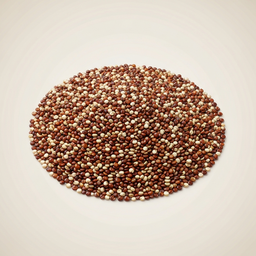 Quinoa
 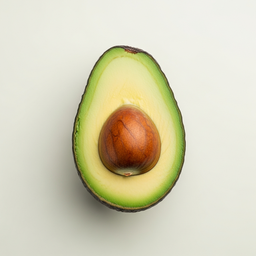 Avocado
 Fat increases absorption of quinoa's fat-soluble vitamins
Technical: Quinoa contains vitamin E (2.4mg/100g), beta-carotene and other carotenoids that are fat-soluble. Avocado contains 15g healthy fats that stimulate micelle formation in the gut and increase absorption of these vitamins by 3-5x. Avocado also provides extra potassium (485mg).
What does this mean for you? Add avocado to your quinoa salad or bowl. This increases not only satiety through the fats but also nutrient absorption.
EnergySkin & Hair
Quinoa 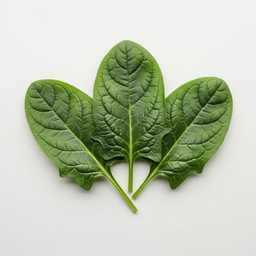 Spinach
 Complete meal with all amino acids and iron
Technical: Quinoa contains all 9 essential amino acids with 14g protein per 100g (dry) — unique for a pseudograin. Spinach provides 2.7mg non-heme iron per 100g plus 28mg vitamin C that increases iron absorption from both quinoa and spinach through Fe³⁺ → Fe²⁺ reduction. Spinach's folic acid (194μg per 100g) complements quinoa's mineral profile.
What does this mean for you? Quinoa-spinach salad is one of the most complete plant-based meals. The vitamin C in spinach ensures you actually absorb the iron from both ingredients. Add lemon juice for even more effect.
Muscle GainEnergy
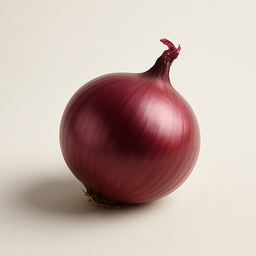 Red Onion Olive Oil
 Fat increases bioavailability of quercetin from red onion
Technical: Red onion contains 32-65mg quercetin per 100g — the richest food source. Quercetin is poorly water-soluble (2μg/mL) but dissolves well in fats. Olive oil increases quercetin oral bioavailability by 50-70% through lipid-based lymphatic transport instead of the portal vein.
What does this mean for you? Sauté red onion in olive oil (soffritto) for maximum quercetin absorption. Oil dissolves quercetin and improves transport to your bloodstream. Caramelizing also enhances flavor.
Anti-inflammatoryHeart
Spinach Avocado Fat source for better absorption of fat-soluble nutrients
Technical: Spinach contains 12.2mg lutein per 100g — highest of all vegetables. Avocado provides 15g monounsaturated fats per 100g that increase carotenoid bioavailability up to 15x (Molecular Nutrition & Food Research). Avocado's own lutein (0.27mg/100g) also contributes.
What does this mean for you? Spinach salad with avocado is an excellent combination for your eye pigments. Without fat you barely absorb lutein — with avocado up to 15x more. Lutein and zeaxanthin contribute to the maintenance of normal vision.
Skin & HairHeartFocus
Spinach Olive Oil Makes fat-soluble vitamins and antioxidants available
Technical: Spinach contains 483μg vitamin K (403% RDI), 5626μg beta-carotene, 2mg vitamin E and 12.2mg lutein — all fat-soluble. Without fat only 5-10% is absorbed. Olive oil's monounsaturated fats (73% oleic acid) form micelles that increase absorption 2-5x.
What does this mean for you? Always eat spinach with olive oil or another fat source. Without fat you waste most of spinach's impressive vitamin profile. A drizzle of olive oil is essential for proper absorption.
Skin & HairJoints
Walnuts Honey ALA omega-3 + enzymatic honey: complementary bioactive pathways
Technical: Walnuts' ALA (omega-3) influences prostaglandin metabolism via complementary biochemical pathways. Honey's glucose oxidase produces hydrogen peroxide. Together they provide two complementary bioactive pathways: walnuts via the omega-3 → prostaglandin pathway, honey via enzymatic activity.
What does this mean for you? Walnuts with honey is a classic combination — the omega-3 fatty acids influence prostaglandin metabolism, honey provides enzymes such as glucose oxidase. Two complementary pathways in one snack.
HeartImmune SystemEnergy
Ingredients (11)
+8 more ingredientsInstructions
- 1 Cook the quinoa according to the package in lightly salted water. Drain and let cool completely — spread on a flat plate for faster results.
Nutrition per serving
Indicative values per serving.
Timing & Suitability
Shelf life: 2 days in fridge
Tags & Diet
Allergens: Dairy, Nuts