- Easy
- 15 min
- 2 serv.
- 9 synergies
- Now at its best: Walnuts
A hearty oatmeal breakfast with a generous dollop of peanut butter, slices of ripe banana, chia seeds and walnuts. Greek yogurt makes it extra creamy. The ultimate fuel for a busy morning or a tough workout.
The milk bubbles gently and the oats swell into a thick, steaming mass. You spoon it into a bowl and then the real work begins: a generous tablespoon of peanut butter that you stir through the hot oatmeal until it melts into a nutty, creamy sauce that pulls everything together. Banana slices on top, still soft and sweet from ripening, a handful of crunchy walnut pieces, the chia seeds disappearing like tiny black dots into the whole. A spoonful of Greek yogurt sitting like a cool white island on the warm landscape. And then that golden drizzle of honey. Every bite is different — sometimes nutty and warm, then fresh and creamy from the yogurt, then sweet from the banana. This is the kind of breakfast after which you don't think about food for three hours.
- 10
- min prep
- 5
- min cook
- 15
- min total
Nutritional Synergies
This recipe combines ingredients that enhance each other:
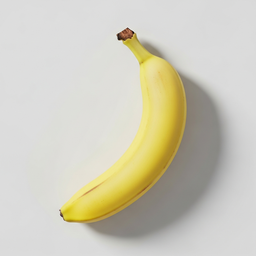 Banana
 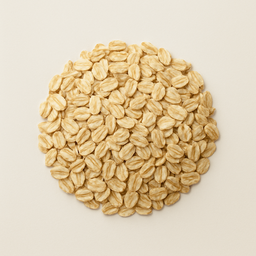 Oats
Oats Perfect breakfast combination for sustained energy
Technical: Banana contains fast carbohydrates (glucose, fructose, sucrose — 22g per 100g) and 358mg potassium. Oatmeal provides beta-glucans (4g per 100g) — soluble fiber that forms a gel and slows carbohydrate absorption. The combination offers layered energy release: first quick energy from banana, then slow energy from oats. Both also contain tryptophan for serotonin production.
What does this mean for you? Oatmeal with banana is the perfect breakfast for sustained energy without the 11am dip. The banana makes it sweeter without sugar, and potassium helps with fluid balance and muscle function. Add nuts for even more satiety.
EnergyMuscle Gain
Banana 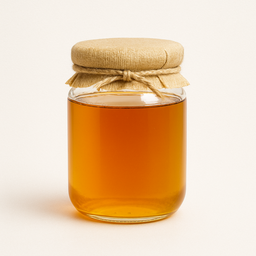 Honey
Honey Quick + slow sugars with potassium for sport and recovery
Technical: Banana contains 358mg potassium and 22g carbohydrates (mix of glucose, fructose, sucrose). Honey provides quick glucose + fructose plus prebiotic FOS. The combination offers immediate energy (honey) plus slower energy (banana starch) and electrolytes (potassium).
What does this mean for you? Banana with honey is an ideal pre- or post-workout snack. The potassium prevents muscle cramps, the sugars replenish glycogen.
EnergyMuscle GainDigestion
Banana 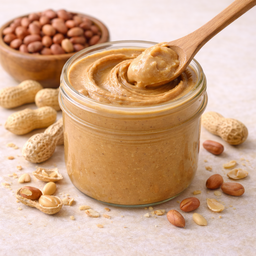 Peanut Butter
 Complete protein source with sustained energy
Technical: Banana contains fast carbohydrates (22g/100g) but little protein (1.1g). Peanut butter provides 25g protein per 100g plus healthy mono-unsaturated fats. The fat slows absorption of sugars from banana, resulting in more stable blood sugar levels and sustained energy.
What does this mean for you? Perfect as a pre-workout snack (30-60 min before training) or as a satiating snack. The combination provides both immediate energy and slow-burning fuel.
EnergyMuscle GainBlood Sugar
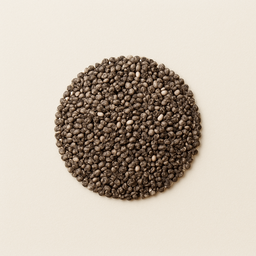 Chia Seeds Banana
 Sustained energy through fiber + quick sugars
Technical: Chia seeds contain 34g fiber per 100g and absorb up to 12x their weight in liquid, forming a gel in the gut. This slows absorption of banana's fast sugars (fructose and glucose). The result: a slower, more stable blood sugar rise instead of a sharp spike followed by a dip.
What does this mean for you? Make chia pudding with banana slices or mix chia seeds into your banana smoothie. The banana gives instant energy, the chia seeds make that energy last for hours.
Energy
Chia Seeds Honey Fiber + prebiotics for the microbiome and satiety
Technical: Chia seeds contain 34g fiber per 100g forming a gel in the gut promoting satiety. Honey contains prebiotic oligosaccharides (FOS) feeding beneficial gut bacteria. Together they support the microbiome.
What does this mean for you? Mix chia pudding with a spoonful of raw honey. The honey sweetens and feeds your good gut bacteria.
DigestionEnergyBlood Sugar
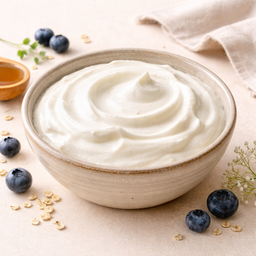 Greek yogurt Honey
 Prebiotic honey feeds probiotic bacteria in yogurt (synbiotic effect)
Synbiotics improve probiotic survival (PMID: 16633129)
Technical: Greek yogurt contains live probiotics (Lactobacillus, Streptococcus). Honey contains oligosaccharides and FOS acting as prebiotics. This 'synbiotic' — pre- and probiotics together — increases survival and colonization of probiotic bacteria in the gut by 10-100x. The prebiotic fibers give bacteria nutrition to multiply.
What does this mean for you? Add raw honey to your Greek yogurt. The honey doesn't just sweeten — it literally feeds the good bacteria from the yogurt so they survive in your gut.
DigestionImmune System
Oats 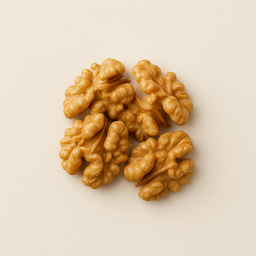 Walnuts
 Soluble fiber + omega-3 for lipid profile and cognition
Technical: Oatmeal's beta-glucans form a gel in the gut that binds bile acids. Walnuts provide ALA omega-3 (9g/100g), melatonin and ellagic acid. The combination supports the lipid profile via two routes: bile acid binding + omega-3 metabolism.
What does this mean for you? Oatmeal with walnuts is a breakfast classic that is genuinely synergistic. The beta-glucans and omega-3 both support your lipid profile, the melatonin in walnuts contributes to your circadian rhythm.
HeartFocus
Peanut Butter Honey Protein + fast carbohydrates for post-workout recovery
Technical: After training, glycogen stores are depleted. Honey provides fast sugars (glucose + fructose) that replenish glycogen and stimulate insulin. Insulin triggers amino acid transport to muscles via the mTOR pathway, making muscle protein synthesis 20-30% higher than with protein alone. Optimal ratio is 3-4:1 carbs:protein.
What does this mean for you? Eat 2 tablespoons peanut butter with 1 tablespoon honey within 30 minutes after training. The honey replenishes your energy stores, the insulin spike helps shuttle protein from the peanut butter to your muscles faster.
Muscle GainEnergyGeneral Wellness
Walnuts Honey ALA omega-3 + enzymatic honey: complementary bioactive pathways
Technical: Walnuts' ALA (omega-3) influences prostaglandin metabolism via complementary biochemical pathways. Honey's glucose oxidase produces hydrogen peroxide. Together they provide two complementary bioactive pathways: walnuts via the omega-3 → prostaglandin pathway, honey via enzymatic activity.
What does this mean for you? Walnuts with honey is a classic combination — the omega-3 fatty acids influence prostaglandin metabolism, honey provides enzymes such as glucose oxidase. Two complementary pathways in one snack.
HeartImmune SystemEnergy
Ingredients (8)
+6 more ingredientsInstructions
- 1 Bring the milk to a boil in a saucepan over medium heat.
- 2 Add the oats and stir well. Simmer for 3-4 minutes on low heat until the oats are thick and creamy.
Nutrition per serving
Indicative values per serving.
Timing & Suitability
Shelf life: 2 days in fridge
Tags & Diet
Allergens: Peanuts, Nuts, Dairy