- Easy
- 32 min
- 2 serv.
- 3 synergies
- Now at its best: Carrot
A refreshing Japanese salad with grilled chicken, wakame seaweed and creamy sesame dressing
The secret to a good Japanese salad isn't in the vegetables. It's in the dressing.
You start with sesame seeds — white and black mixed — that you grind in a mortar until they become a paste that smells of roasted nuts. In goes toasted sesame oil, rice vinegar for that typically Japanese tang, and a splash of soy sauce. Two tablespoons of water to make it all flow. The result is a dressing that's creamy without cream, full of flavor without heaviness.
Meanwhile you soak wakame in cold water and watch it swell from a dry curl into a silky green leaf. Cucumber in thin slices, carrot in julienne, radish in paper-thin rounds — everything crunchy, everything raw.
The chicken you grill simply: salt, pepper, six minutes per side. Let rest, slice, place on top. Dressing over, sesame seeds on.
This is the salad you order at that one Japanese restaurant around the corner and always think: I should be able to make this at home.
- 20
- min prep
- 12
- min cook
- 32
- min total
Nutritional Synergies
This recipe combines ingredients that enhance each other:
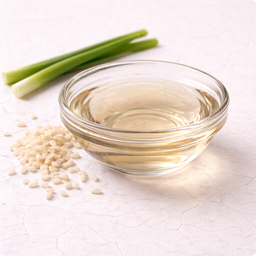 Rice Vinegar
 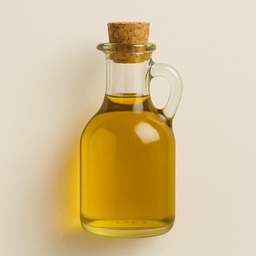 Sesame Oil
 Acetic acid emulsion with sesame oil for mineral absorption
Technical: Rice vinegar's acetic acid (4-5%) chelates minerals (calcium, magnesium, iron) into soluble acetates that are more absorbable. Sesame oil contains sesamin (lignan) that improves intestinal calcium absorption via vitamin D receptor activation. The emulsion of vinegar + oil (vinaigrette principle) distributes fat-soluble compounds from sesame oil into small droplets offering larger absorption surface.
What does this mean for you? Rice vinegar + sesame oil is the base of Asian dressings and dipping sauces. Use this combination over salad, blanched vegetables or cold noodles for better mineral absorption.
General WellnessHeart
Sesame Oil 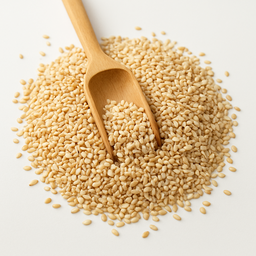 Sesame Seeds
 Sesame oil fats enhance absorption of sesame seed lignans
Technical: Sesame seeds contain lignans (sesamin, sesamolin) that are fat-soluble. Sesame oil provides the ideal fat matrix for absorption. Additionally, the oil contains different bioactive forms (sesamol) that work complementarily to lignans in whole seeds.
What does this mean for you? Top dishes with both sesame seeds and a drizzle of sesame oil — you get the fiber and minerals from the seeds plus optimal lignan absorption.
HeartAnti-inflammatoryHormonal Balance
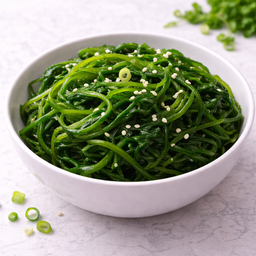 Wakame Sesame Oil
 Better absorption of fat-soluble vitamins from seaweed
Technical: Wakame contains fat-soluble vitamins A (360μg RAE/100g), E, and K, plus fucoxanthin — a unique carotenoid. Without dietary fat, these are barely absorbed. Sesame oil's unsaturated fats (42% oleic acid, 40% linoleic acid) form micelles that increase absorption of these fat-soluble compounds up to 5x.
What does this mean for you? Make a Japanese wakame salad with sesame oil dressing — the oil ensures your body actually absorbs the vitamins and rare fucoxanthin. Without the oil, you eat wakame but miss most of it.
JointsGeneral Wellness
Ingredients (11)
-
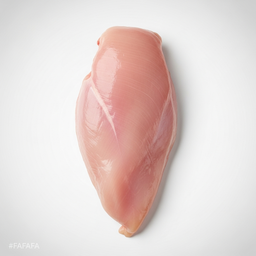 Chicken Breast — 300 g skinless
 - Wakame — 15 g dried seaweed, rehydrated
-
 Cucumber — 200 g thinly sliced
Instructions
- 1 Soak the dried wakame for 10 minutes in cold water. Squeeze out excess moisture and chop roughly.
Nutrition per serving
Indicative values per serving.
Timing & Suitability
Shelf life: 2 days in fridge
Tags & Diet
Allergens: Soy, Sesame