- Easy
- 33 min
- 2 serv.
- 6 synergies
- Now at its best: Bell Pepper
Vegetarian wrap with grilled halloumi, roasted bell pepper, onion and tomato. Full of protein and Mediterranean flavors.
Halloumi squeaks when you bite into it — that's how you know it's right. Golden-brown grilled outside, soft and salty inside, with that typical chew that no other cheese has. The roasted bell pepper has turned sweet in the oven, the red onion edges are caramelized, the tomato soft and juicy. Spinach for color and freshness, a few mint leaves you don't expect but that make exactly the difference. With a hint of cumin it smells like a summer afternoon on a Greek island. This is the wrap for anyone who thinks vegetarian food is boring — one bite and you're converted.
- 15
- min prep
- 18
- min cook
- 33
- min total
Nutritional Synergies
This recipe combines ingredients that enhance each other:
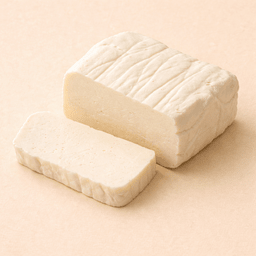 Halloumi Cheese
 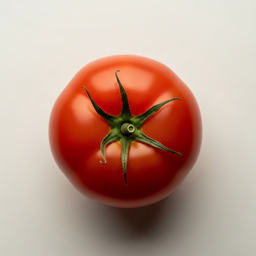 Tomato
 Fat from halloumi increases lycopene absorption from tomato up to 4x
Technical: Halloumi contains 24g fat per 100g, of which 17g saturated. Lycopene from tomato is a fat-soluble carotenoid with bioavailability of only 10-15% without fat. The fat in halloumi promotes micelle formation in the small intestine, efficiently packaging lycopene for absorption. Heating (grilling) tomato breaks down cell walls and further increases lycopene release.
What does this mean for you? Grilled halloumi with roasted tomatoes is a Mediterranean culinary classic — the fat in the cheese ensures you absorb up to 4x more lycopene from the tomato.
HeartSkin & Hair
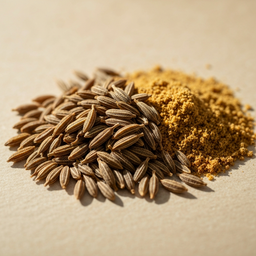 Cumin
Cumin 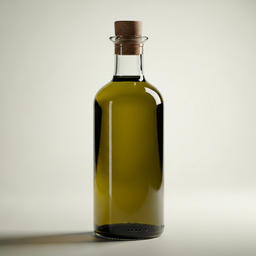 Olive Oil
 Fat activates volatile oils and increases cuminaldehyde absorption
Technical: Cumin's active compounds (cuminaldehyde, cymene, terpinene) are volatile, fat-soluble compounds. Frying in olive oil extracts and stabilizes these compounds, and the fat improves their gut absorption.
What does this mean for you? Briefly fry cumin in olive oil before adding other ingredients (tadka/tempering). This is why Indian and Middle Eastern cuisines always fry cumin in oil.
DigestionAnti-inflammatoryBlood Sugar
Olive Oil Tomato Mediterranean golden rule: fat increases lycopene absorption 4x
Fat significantly increases lycopene bioavailability (PMID: 15927929)
Technical: Tomatoes contain lycopene (3-7mg per 100g), a carotenoid with strong antioxidant action. Lycopene is fat-soluble with only 10-15% absorption without fat. Olive oil increases this to 40-60% (2.5-4x improvement). Cooking further increases lycopene bioavailability.
What does this mean for you? Always add olive oil to tomato dishes — sauces, salads, bruschetta. This is why Mediterranean cuisine is so healthy. Cooked tomatoes with olive oil = maximum lycopene.
HeartSkin & Hair
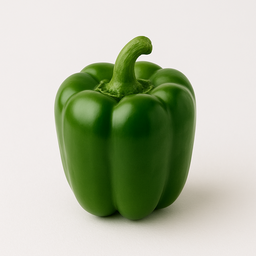 Bell Pepper Olive Oil
 Fat improves carotenoid absorption from bell pepper
Technical: Red bell pepper contains 3131μg beta-carotene and 51μg lutein per 100g, plus 127mg vitamin C (211% RDI). Carotenoids are fat-soluble — without fat only 3-5% is absorbed. Olive oil increases bioavailability to 15-20% through micelle formation in the small intestine.
What does this mean for you? Roast bell pepper with olive oil or make a salad with olive oil dressing. Red pepper contains 10x more carotenoids than green — choose red for maximum effect.
Immune SystemSkin & Hair
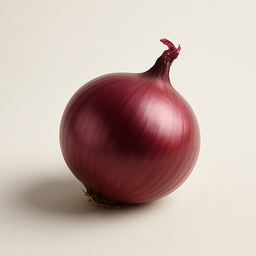 Red Onion Olive Oil
 Fat increases bioavailability of quercetin from red onion
Technical: Red onion contains 32-65mg quercetin per 100g — the richest food source. Quercetin is poorly water-soluble (2μg/mL) but dissolves well in fats. Olive oil increases quercetin oral bioavailability by 50-70% through lipid-based lymphatic transport instead of the portal vein.
What does this mean for you? Sauté red onion in olive oil (soffritto) for maximum quercetin absorption. Oil dissolves quercetin and improves transport to your bloodstream. Caramelizing also enhances flavor.
Anti-inflammatoryHeart
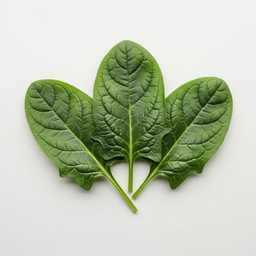 Spinach Olive Oil
 Makes fat-soluble vitamins and antioxidants available
Technical: Spinach contains 483μg vitamin K (403% RDI), 5626μg beta-carotene, 2mg vitamin E and 12.2mg lutein — all fat-soluble. Without fat only 5-10% is absorbed. Olive oil's monounsaturated fats (73% oleic acid) form micelles that increase absorption 2-5x.
What does this mean for you? Always eat spinach with olive oil or another fat source. Without fat you waste most of spinach's impressive vitamin profile. A drizzle of olive oil is essential for proper absorption.
Skin & HairJoints
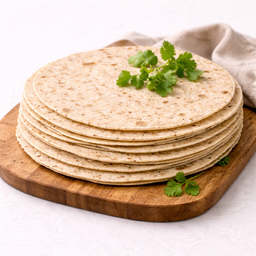
Instructions
- 1 Preheat the oven to 200°C. Cut the bell pepper into strips, the red onion into half rings and the tomato into slices.
Nutrition per serving
Indicative values per serving.
Timing & Suitability
Shelf life: 2 days in fridge
Tags & Diet
Allergens: Gluten, Dairy