- Easy
- 32 min
- 2 serv.
- 9 synergies
- Now at its best: Garlic
Authentic shawarma with chicken marinated in cumin, turmeric and garlic, cooked until golden. Served with crunchy vegetables, parsley and a creamy garlic sauce in whole wheat tortilla.
You smell the garlic first. Then the cumin, the turmeric — warm tones filling the whole kitchen as the chicken hits the pan. The outside turns golden brown, almost caramel-like, while the meat stays tender and juicy inside. You slice it into thin strips, just like from the rotisserie. The toum is ready: snow white, incredibly creamy, with a garlic intensity you feel down to your toes. Bell pepper, tomato and cucumber are cool and crunchy — the perfect contrast. You roll everything into the warm tortilla, and that first bite takes you to a busy street in Beirut.
- 20
- min prep
- 12
- min cook
- 32
- min total
Nutritional Synergies
This recipe combines ingredients that enhance each other:
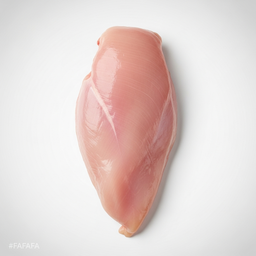 Chicken breast
 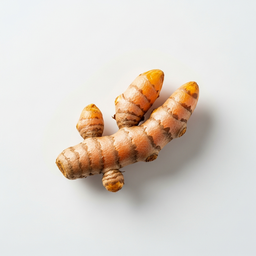 Turmeric
 Classic curry combination with complementary bioactive action
Technical: Chicken breast provides 31g protein per 100g with high leucine content (2.4g) for muscle protein synthesis (mTOR activation). After intense exercise, inflammatory processes occur, in part via NF-κB signaling. Curcumin directly modulates NF-κB, supporting muscle recovery without blocking the adaptive training response. Chicken proteins provide building material, curcumin optimizes the recovery process.
What does this mean for you? Make a chicken-turmeric curry as a post-workout meal. The chicken provides proteins for muscle building, the turmeric may support muscle recovery after training. Add black pepper and coconut milk for optimal curcumin absorption.
Muscle GainAnti-inflammatory
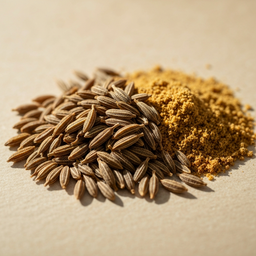 Cumin
Cumin 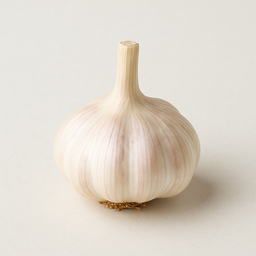 Garlic
 Double digestive support: enzymes + bioactive compounds
Technical: Cumin promotes digestive enzyme activity (amylase, lipase, protease) and increases bile flow. Garlic's allicin has broad bioactivity targeting pathogenic gut bacteria while sparing beneficial ones.
What does this mean for you? Fry garlic and cumin together as base for curries, soups and stews. Classic combination in virtually every cuisine in the world.
DigestionImmune System
Cumin Turmeric Classic curry base with enhanced digestion
Technical: Cumin promotes production of digestive enzymes (amylase, lipase, protease) and increases bile flow. Turmeric's curcumin modulates NF-κB and COX-2 signal transduction and supports hepatobiliary activity via bile stimulation. Together they provide enhanced digestion + bioactive action.
What does this mean for you? Cumin + turmeric is the base of every curry. The cumin promotes your digestion, the turmeric adds bioactive action — the perfect combination for a nutritious curry.
DigestionAnti-inflammatory
Cumin 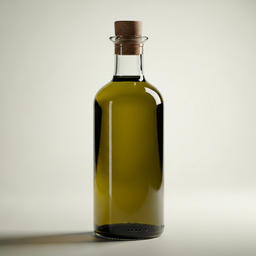 Olive oil
 Fat activates volatile oils and increases cuminaldehyde absorption
Technical: Cumin's active compounds (cuminaldehyde, cymene, terpinene) are volatile, fat-soluble compounds. Frying in olive oil extracts and stabilizes these compounds, and the fat improves their gut absorption.
What does this mean for you? Briefly fry cumin in olive oil before adding other ingredients (tadka/tempering). This is why Indian and Middle Eastern cuisines always fry cumin in oil.
DigestionAnti-inflammatoryBlood Sugar
Olive oil Garlic Aglio e olio: allicin + oleocanthal via complementary biochemical pathways
Technical: Garlic contains allicin (formed when cutting/crushing) that influences HMG-CoA reductase (involved in lipid metabolism). Olive oil contains oleocanthal that modulates COX-1/2 enzymes. Together they influence lipid metabolism and prostaglandin cascade via complementary biochemical pathways. The fat also helps absorb fat-soluble garlic compounds.
What does this mean for you? Gently warm garlic in olive oil (don't burn!) as the base for many dishes. This is why 'aglio e olio' pasta is so beloved — two bioactive compounds that reinforce each other.
HeartImmune System
Olive oil 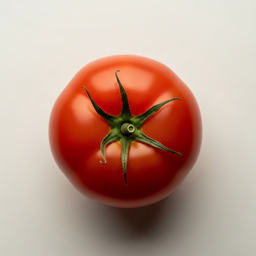 Tomato
 Mediterranean golden rule: fat increases lycopene absorption 4x
Fat significantly increases lycopene bioavailability (PMID: 15927929)
Technical: Tomatoes contain lycopene (3-7mg per 100g), a carotenoid with strong antioxidant action. Lycopene is fat-soluble with only 10-15% absorption without fat. Olive oil increases this to 40-60% (2.5-4x improvement). Cooking further increases lycopene bioavailability.
What does this mean for you? Always add olive oil to tomato dishes — sauces, salads, bruschetta. This is why Mediterranean cuisine is so healthy. Cooked tomatoes with olive oil = maximum lycopene.
HeartSkin & Hair
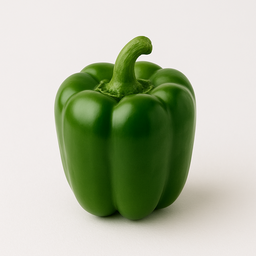 Bell pepper Olive oil
 Fat improves carotenoid absorption from bell pepper
Technical: Red bell pepper contains 3131μg beta-carotene and 51μg lutein per 100g, plus 127mg vitamin C (211% RDI). Carotenoids are fat-soluble — without fat only 3-5% is absorbed. Olive oil increases bioavailability to 15-20% through micelle formation in the small intestine.
What does this mean for you? Roast bell pepper with olive oil or make a salad with olive oil dressing. Red pepper contains 10x more carotenoids than green — choose red for maximum effect.
Immune SystemSkin & Hair
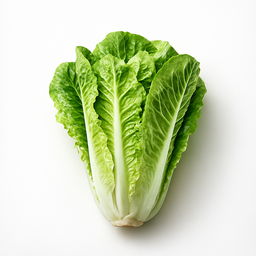 Lettuce Olive oil
 7x better carotenoid absorption with fats
Technical: Lettuce contains 1223μg beta-carotene and 1730μg lutein per 100g. Without fat only 3% is absorbed. A Purdue University study (2012, Molecular Nutrition & Food Research) showed olive oil or avocado increases absorption to 20%+ — a 7-fold improvement.
What does this mean for you? Always eat salad with olive oil dressing or avocado. Without fat you absorb almost nothing of the carotenoids. A dry salad without dressing is ironically less nutritious than one with a good olive oil dressing.
Skin & HairGeneral Wellness
Lettuce Tomato Lutein + lycopene: complementary carotenoids in two phases
Technical: Lettuce contains 1730μg lutein per 100g — a xanthophyll carotenoid filtering blue light in the macula. Tomato contains 2573μg lycopene — a carotenoid neutralizing singlet oxygen. These carotenoids work through different mechanisms and are active in different tissues. With olive oil both are optimally absorbed.
What does this mean for you? A salad of lettuce and tomato with olive oil dressing combines two carotenoid families. Lutein from lettuce is active in the macula, lycopene from tomato in the cardiovascular system. Without dressing you barely absorb anything — fat is essential.
HeartGeneral Wellness
Ingredients (11)
+8 more ingredients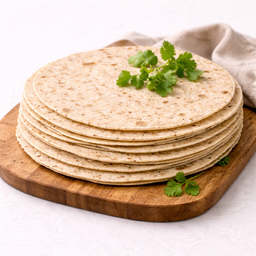
Instructions
- 1 Slice the chicken breast into thin pieces. Mix with the cumin, turmeric, 2 minced garlic cloves, 1 tablespoon olive oil and a pinch of salt. Marinate for at least 15 minutes.
Nutrition per serving
Indicative values per serving.
Timing & Suitability
Shelf life: 2 days in fridge
Tags & Diet
Allergens: Gluten