- Easy
- 45 min
- 2 serv.
- 9 synergies
- Now at its best: Cauliflower
A warm, aromatic salad with roasted cauliflower in turmeric and cumin, sweet pomegranate seeds, red onion and a tahini-lemon dressing with fresh parsley and mint.
The oven heats up and the scent of turmeric and cumin fills the kitchen as you slide the cauliflower florets onto the baking sheet. After half an hour they come out: golden brown, crispy at the edges, soft inside. On a large platter you arrange them — still warm — and scatter the ruby-red pomegranate seeds over them. Thin rings of red onion, a shower of chopped parsley and mint, and finally the tahini-lemon dressing you whisked in a small bowl: creamy, slightly tart, just right. The contrast of warm and cool, crunchy and soft, nutty and fresh makes this a festive dish that looks like a Middle Eastern tableau.
- 15
- min prep
- 30
- min cook
- 45
- min total
Nutritional Synergies
This recipe combines ingredients that enhance each other:
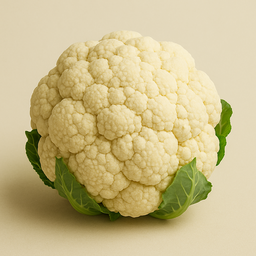 Cauliflower
 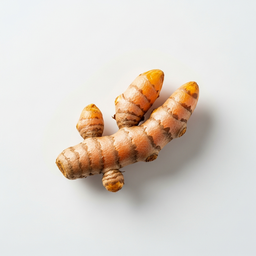 Turmeric
 Sulforaphane + curcumin: double NF-κB modulation
Technical: Cauliflower's sulforaphane activates the Nrf2 pathway for phase-II enzyme production. Sulforaphane and curcumin from turmeric are studied in research in connection with NF-κB and COX-2 signaling, each via its own route (IKK and IκBα respectively).
What does this mean for you? Cauliflower-turmeric curry (Gobi Masala) is an Indian classic. It combines two intensively studied plant compounds — sulforaphane and curcumin. Add black pepper for 2000% better curcumin absorption.
Anti-inflammatoryImmune SystemAntioxidants
Cauliflower 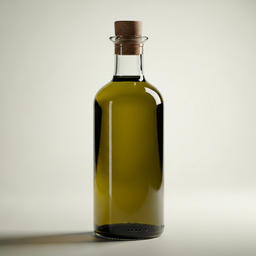 Olive Oil
 Olive oil improves absorption of cauliflower's vitamin K and sulforaphane
Technical: Cauliflower contains vitamin K and glucosinolates converted to sulforaphane. Olive oil's fats improve absorption of fat-soluble vitamin K, while light roasting in olive oil optimizes glucosinolate conversion to sulforaphane.
What does this mean for you? Roast cauliflower with olive oil — this is the best way to maximize the bioactive compounds from cauliflower.
Anti-inflammatoryImmune SystemAntioxidants
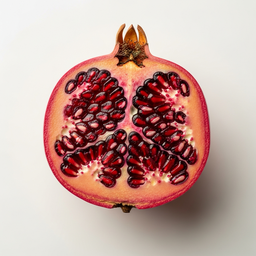 Pomegranate Olive Oil
 Mediterranean polyphenol combination: punicalagins + oleocanthal
Technical: Pomegranate contains punicalagins and punicalins — unique ellagitannins that work via multiple biochemical pathways, including modulation of NF-kB signaling. Olive oil contains oleocanthal — a bioactive phenolic compound that influences COX enzymes. Together they offer complementary polyphenol pathways: ellagitannins via urolithin conversion, oleocanthal via direct enzyme interaction.
What does this mean for you? Drizzle extra virgin olive oil over pomegranate seeds in a salad. This Middle Eastern combination offers two powerful polyphenol sources working via different biochemical pathways. Always use extra virgin olive oil — oleocanthal is lost during refining.
HeartAnti-inflammatory
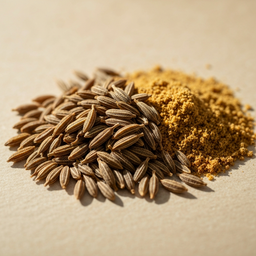 Cumin
Cumin 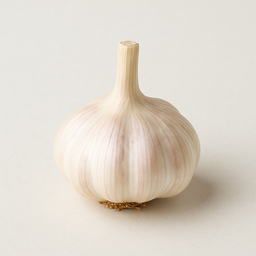 Garlic
 Double digestive support: enzymes + bioactive compounds
Technical: Cumin promotes digestive enzyme activity (amylase, lipase, protease) and increases bile flow. Garlic's allicin has broad bioactivity targeting pathogenic gut bacteria while sparing beneficial ones.
What does this mean for you? Fry garlic and cumin together as base for curries, soups and stews. Classic combination in virtually every cuisine in the world.
DigestionImmune System
Cumin Turmeric Classic curry base with enhanced digestion
Technical: Cumin promotes production of digestive enzymes (amylase, lipase, protease) and increases bile flow. Turmeric's curcumin modulates NF-κB and COX-2 signal transduction and supports hepatobiliary activity via bile stimulation. Together they provide enhanced digestion + bioactive action.
What does this mean for you? Cumin + turmeric is the base of every curry. The cumin promotes your digestion, the turmeric adds bioactive action — the perfect combination for a nutritious curry.
DigestionAnti-inflammatory
Cumin Olive Oil Fat activates volatile oils and increases cuminaldehyde absorption
Technical: Cumin's active compounds (cuminaldehyde, cymene, terpinene) are volatile, fat-soluble compounds. Frying in olive oil extracts and stabilizes these compounds, and the fat improves their gut absorption.
What does this mean for you? Briefly fry cumin in olive oil before adding other ingredients (tadka/tempering). This is why Indian and Middle Eastern cuisines always fry cumin in oil.
DigestionAnti-inflammatoryBlood Sugar
Olive Oil Garlic Aglio e olio: allicin + oleocanthal via complementary biochemical pathways
Technical: Garlic contains allicin (formed when cutting/crushing) that influences HMG-CoA reductase (involved in lipid metabolism). Olive oil contains oleocanthal that modulates COX-1/2 enzymes. Together they influence lipid metabolism and prostaglandin cascade via complementary biochemical pathways. The fat also helps absorb fat-soluble garlic compounds.
What does this mean for you? Gently warm garlic in olive oil (don't burn!) as the base for many dishes. This is why 'aglio e olio' pasta is so beloved — two bioactive compounds that reinforce each other.
HeartImmune System
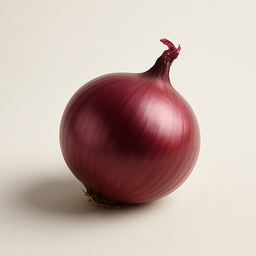 Red Onion Olive Oil
 Fat increases bioavailability of quercetin from red onion
Technical: Red onion contains 32-65mg quercetin per 100g — the richest food source. Quercetin is poorly water-soluble (2μg/mL) but dissolves well in fats. Olive oil increases quercetin oral bioavailability by 50-70% through lipid-based lymphatic transport instead of the portal vein.
What does this mean for you? Sauté red onion in olive oil (soffritto) for maximum quercetin absorption. Oil dissolves quercetin and improves transport to your bloodstream. Caramelizing also enhances flavor.
Anti-inflammatoryHeart
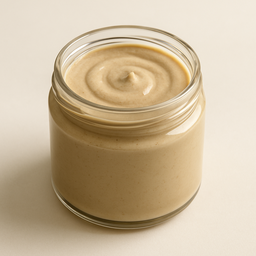 Tahini Garlic
 Hummus base with immune support
Technical: Tahini provides calcium (426mg/100g), magnesium (95mg), zinc (4.6mg) and sesamin (antioxidant lignan). Garlic contains allicin that offers bioactive action via T-cell activation. Zinc from tahini contributes to the normal function of the immune system (EFSA) — the nutritional foundation of hummus.
What does this mean for you? Make hummus with tahini and fresh garlic. The tahini gives minerals like zinc, the garlic bioactive compounds — a nutritious dip.
Immune SystemJoints
Ingredients (11)
+8 more ingredientsInstructions
- 1 Preheat oven to 200 °C. Toss cauliflower florets with 20 ml olive oil, turmeric, cumin and garlic. Spread on a baking sheet and roast 25-30 minutes until golden brown and crispy at edges. Turn halfway.
Nutrition per serving
Indicative values per serving.
Timing & Suitability
Shelf life: 2 days in fridge
Tags & Diet
Allergens: Sesame