- Medium
- 35 min
- 2 serv.
- 7 synergies
- Now at its best: Salmon
A deconstructed sushi bowl with grilled salmon, sticky sushi rice, creamy avocado and crunchy cucumber. Fresh ginger-tamari sauce, sesame seeds and spring onion finish it off. Japanese flavors in a casual bowl.
The sushi rice glistens gently from the rice vinegar — each grain separate, softly sticky, exactly as it should be. On top sit large pieces of salmon, golden-brown on the outside with crispy edges, still just pink and juicy within. The avocado is ripe enough to cut through with your spoon, butter-smooth and cooling against the warm fish. Half-moons of cucumber bring freshness and snap, the spring onion a subtle sharpness. Then the sauce: ginger grated to a pulp, dissolved in tamari — sharp, salty, with a warm undertone that pulls everything together. A scatter of sesame seeds as a final touch — nutty, with an audible tick as your spoon passes through. This is sushi for people who love flavor but not folding.
- 15
- min prep
- 20
- min cook
- 35
- min total
Nutritional Synergies
This recipe combines ingredients that enhance each other:
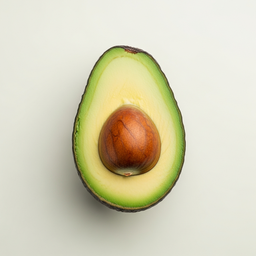 Avocado
 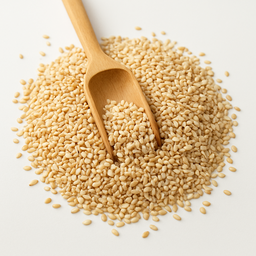 Sesame Seeds
 Healthy fats improve mineral absorption from sesame seeds
Technical: Avocado contains 15% mono-unsaturated fats and vitamin E. Sesame seeds are rich in calcium (975mg/100g), iron (14.5mg) and zinc. The fats from avocado improve absorption of these minerals and the fat-soluble lignans (sesamin, sesamolin) from sesame seeds.
What does this mean for you? Add sesame seeds to your avocado toast or poke bowl. The combination is not only delicious but also remarkably rich in minerals.
JointsEnergySkin & Hair
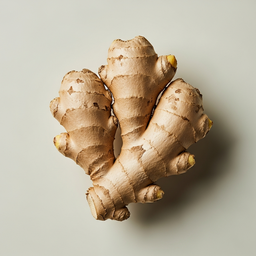 Ginger
 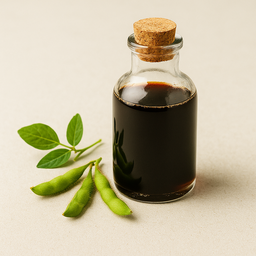 Tamari
 Asian umami base with bioactive action
Technical: Ginger contains gingerols and shogaols that modulate COX-2. Tamari (gluten-free soy sauce) provides umami flavor plus fermented compounds supporting gut flora. Together they form the base of many Asian dishes and offer both flavor and bioactive action.
What does this mean for you? Ginger + tamari is the base of stir-fries, marinades and dressings. Two ingredients that enhance each other's flavor and combine bioactive compounds.
DigestionAnti-inflammatory
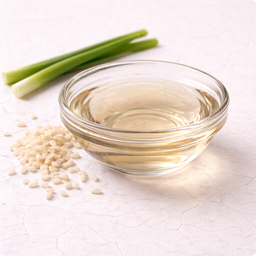 Rice Vinegar Ginger
 Acetic acid + gingerols for glycemic support and bioactive action
Technical: Rice vinegar contains 4-5% acetic acid that inhibits alpha-amylase (slows carbohydrate digestion) and dampens the postprandial glycemic response. Ginger's gingerols support insulin sensitivity via AMPK activation. Together they slow carbohydrate breakdown (vinegar) and support glucose uptake in cells (ginger). Rice vinegar also has a low pH (2.4-3.4) that preserves sushi rice.
What does this mean for you? Ginger-rice vinegar dressing (sunomono style) with rice dishes dampens the blood sugar spike. This is why sushi rice with gari (pickled ginger in rice vinegar) is so cleverly composed.
Blood SugarDigestion
Rice Vinegar 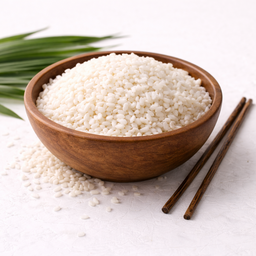 Sushi Rice (Short Grain)
 Lowers glycemic index of rice
Technical: Sushi rice has a high GI (72-89). Acetic acid from rice vinegar slows enzymatic starch breakdown by inhibiting alpha-amylase, reducing glycemic response by 20-30%. This is why sushi despite white rice gives a lower blood sugar spike than plain white rice.
What does this mean for you? The rice vinegar on sushi rice isn't just for flavor — it noticeably lowers the blood sugar spike. Always make sushi with enough rice vinegar.
Blood SugarEnergy
Tamari Sesame Seeds Umami amino acids enhance mineral absorption from sesame seeds
Technical: Tamari's free glutamic acid and amino acids from fermentation promote absorption of zinc and iron from sesame seeds. The organic acids in fermented soy lower intestinal pH, making minerals more soluble.
What does this mean for you? Sprinkle dishes with tamari and sesame seeds together — a classic Asian combination that's not only delicious but also optimizes your mineral absorption.
EnergyImmune SystemGeneral Wellness
Tamari 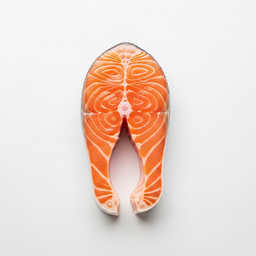 Salmon
 Japanese teriyaki: umami + omega-3 protection
Technical: Tamari (gluten-free soy sauce) contains amino acids from fermentation that promote the Maillard reaction, giving flavor and color to salmon. The antioxidants in tamari (isoflavones, melanoidins) protect the vulnerable omega-3 fatty acids in salmon from oxidation during cooking.
What does this mean for you? Briefly marinate salmon in tamari with ginger and garlic, then pan-fry or grill. This is the basis of teriyaki salmon — delicious AND protective for omega-3.
HeartAnti-inflammatory
 Sea Salt Avocado
 Minerals improve flavor perception and electrolyte balance
Technical: Sea salt contains trace minerals (magnesium, potassium, calcium) besides sodium. Tomato is rich in potassium (237mg/100g) and lycopene. Avocado adds magnesium (29mg) and potassium (485mg). Together they form a broad electrolyte profile: sodium (salt) + potassium (tomato/avocado) + magnesium (avocado) — essential for fluid balance and nerve function.
What does this mean for you? Sprinkle tomato and avocado with a pinch of sea salt. This is more than flavor — the minerals complement each other for a complete electrolyte balance.
HeartEnergy
Ingredients (10)
+8 more ingredientsInstructions
- 1 Rinse the sushi rice three times under cold water until the water runs clear. Cook according to package instructions (usually 12 minutes in equal amount of water). Remove from heat, let steam for 10 minutes with lid on. Gently fold in the rice vinegar and let cool to lukewarm.
- 2 Finely grate the ginger. Mix with the tamari in a small dish for the dipping sauce. Set aside.
Nutrition per serving
Indicative values per serving.
Timing & Suitability
Shelf life: 1 days in fridge
Tags & Diet
Allergens: Fish, Soy, Sesame