- Medium
- 45 min
- 2 serv.
- 9 synergies
- Now at its best: Red Bell Pepper
A hearty salad with red lentils, roasted bell peppers and a lemon-herb dressing. Serve warm or at room temperature.
Red lentils cooked silky-soft with just enough bite, alongside strips of bell pepper you roast yourself until the skin blisters and the flesh loosens — smoky, sweet and intensely flavoured. The combination is typical summer eating: tomato, cucumber, red onion, parsley and basil coming together in a salad substantial enough for lunch yet light enough for a warm evening. The lemon-garlic dressing seeps through all layers during the quarter-hour rest. Make double portions for the next day — the flavours only improve.
- 20
- min prep
- 25
- min cook
- 45
- min total
Nutritional Synergies
This recipe combines ingredients that enhance each other:
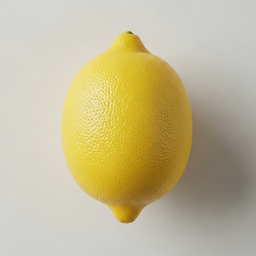 Lemon
Lemon 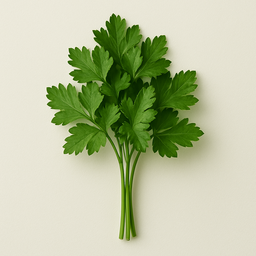 Parsley
 Double vitamin C for maximum iron absorption
Technical: Lemon contains 53mg vitamin C per 100g, parsley 133mg per 100g. Together they provide excess vitamin C that reduces non-heme iron (from vegetables, grains) from Fe³⁺ to Fe²⁺, increasing absorption 3-6x. Parsley also contains 6.2mg iron per 100g.
What does this mean for you? Use lemon + parsley in tabbouleh, dressings and marinades. The combination maximizes iron absorption, ideal for vegetarians.
EnergyImmune System
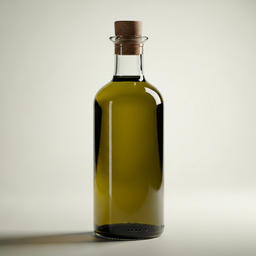 Olive Oil Lemon
 Oleic acid + citric acid: complementary pathways for glycemic response
Technical: Lemon contains citric acid that slows gastric emptying, causing carbohydrates from the meal to be absorbed more slowly. Olive oil's fats reinforce this effect by further influencing glycemic response. Together they influence the postprandial glucose response via two complementary mechanisms. Olive oil's oleocanthal and lemon's vitamin C additionally provide complementary antioxidant action.
What does this mean for you? A simple dressing of olive oil and lemon juice over your salad is one of the smartest combinations you can make. The two mechanisms (delayed gastric emptying + fat slowing) work together to influence the glucose response after your meal.
EnergyDigestion
Olive Oil 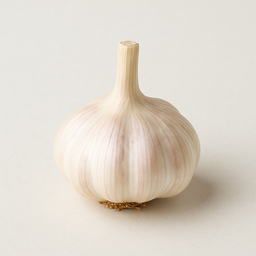 Garlic
 Aglio e olio: allicin + oleocanthal via complementary biochemical pathways
Technical: Garlic contains allicin (formed when cutting/crushing) that influences HMG-CoA reductase (involved in lipid metabolism). Olive oil contains oleocanthal that modulates COX-1/2 enzymes. Together they influence lipid metabolism and prostaglandin cascade via complementary biochemical pathways. The fat also helps absorb fat-soluble garlic compounds.
What does this mean for you? Gently warm garlic in olive oil (don't burn!) as the base for many dishes. This is why 'aglio e olio' pasta is so beloved — two bioactive compounds that reinforce each other.
HeartImmune System
Olive Oil 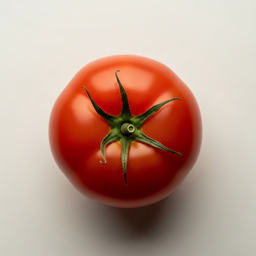 Tomato
 Mediterranean golden rule: fat increases lycopene absorption 4x
Fat significantly increases lycopene bioavailability (PMID: 15927929)
Technical: Tomatoes contain lycopene (3-7mg per 100g), a carotenoid with strong antioxidant action. Lycopene is fat-soluble with only 10-15% absorption without fat. Olive oil increases this to 40-60% (2.5-4x improvement). Cooking further increases lycopene bioavailability.
What does this mean for you? Always add olive oil to tomato dishes — sauces, salads, bruschetta. This is why Mediterranean cuisine is so healthy. Cooked tomatoes with olive oil = maximum lycopene.
HeartSkin & Hair
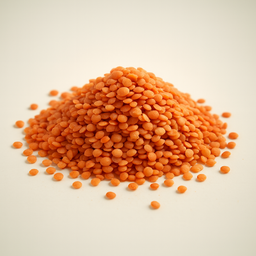 Red Lentils Lemon
 Vitamin C increases iron absorption from lentils up to 6x
Technical: Red lentils contain 3.3mg iron per 100g (cooked) — about 40% of the recommended daily intake. This is non-heme iron in Fe³⁺ form with low bioavailability (5-12%). Lemon juice's vitamin C (53mg per 100g) reduces Fe³⁺ to Fe²⁺ which is directly absorbed by DMT1 transporters in the gut wall. Red lentils cook faster than other lentils, retaining less phytic acid.
What does this mean for you? Squeeze half a lemon over your red lentil soup just before serving. Vitamin C works best fresh and raw — don't add it during cooking. This simple gesture triples to quadruples your iron absorption.
Energy
Red Lentils Tomato Tomato increases iron absorption from lentils
Technical: Red lentils contain 3.3mg non-heme iron per 100g. Tomatoes provide vitamin C (14mg per 100g) plus citric acid and malic acid that promote iron absorption. When slow-cooked (stew/dal), tomatoes concentrate, increasing organic acid content. This is the basis of Indian dal — one of the most nutritious plant-based dishes.
What does this mean for you? Cook red lentils with fresh or canned tomatoes for a nutritious dal. The tomatoes increase iron absorption, and cooking the lentils makes them softer and more digestible. Add turmeric and cumin for an authentic Indian result.
Energy
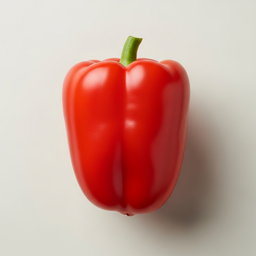 Red Bell Pepper Olive Oil
 Fat improves carotenoid absorption
Technical: Red pepper contains 3131μg beta-carotene per 100g — significantly more than green (208μg). Carotenoids are absorbed via passive transport with mixed micelles. Oleic acid (73% of olive oil) forms these micelles and increases beta-carotene absorption up to 5x (American Journal of Clinical Nutrition).
What does this mean for you? Roasted pepper with olive oil isn't just tasty but increases beta-carotene absorption up to 5x. Your body can barely absorb it without fat.
Immune SystemSkin & Hair
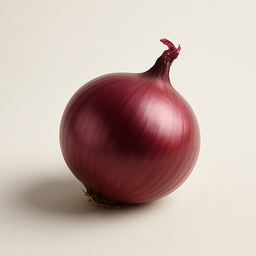 Red Onion Lemon
 Vitamin C protects quercetin from oxidative degradation
Technical: Quercetin in red onion (32-65mg/100g) oxidizes rapidly when exposed to light, heat and oxygen. Ascorbic acid (vitamin C, 53mg/100g in lemon) regenerates oxidized quercetin back to its active form via electron transfer. This extends quercetin's half-life in food and in the body.
What does this mean for you? Red onion in salad with lemon dressing retains more active quercetin than without lemon. Vitamin C keeps this widely-studied flavonoid intact longer — a simple kitchen trick with scientific basis.
Anti-inflammatoryImmune System
Red Onion Olive Oil Fat increases bioavailability of quercetin from red onion
Technical: Red onion contains 32-65mg quercetin per 100g — the richest food source. Quercetin is poorly water-soluble (2μg/mL) but dissolves well in fats. Olive oil increases quercetin oral bioavailability by 50-70% through lipid-based lymphatic transport instead of the portal vein.
What does this mean for you? Sauté red onion in olive oil (soffritto) for maximum quercetin absorption. Oil dissolves quercetin and improves transport to your bloodstream. Caramelizing also enhances flavor.
Anti-inflammatoryHeart
Ingredients (10)
+8 more ingredientsInstructions
- 1 Roast the peppers under the broiler or over an open flame until the skin is black and blistered. Place in a bowl, cover with foil and let steam for 10 minutes. Peel and slice into strips.
Nutrition per serving
Indicative values per serving.
Timing & Suitability
Shelf life: 2 days in fridge