- Easy
- 5 min
- 2 serv.
- 3 synergies
- Fully in season
Thick whipped labneh topped with a layer of aromatic za'atar and a drizzle of olive oil, served with crunchy cucumber sticks. A simple Middle Eastern classic ready in five minutes.
There are dishes you do not need to explain — you set them down and everyone understands. This is one of them. A thick layer of labneh, so creamy your spoon moves through it slowly, with a well in the centre where glossy olive oil pools like a golden lake. Over that: za'atar, that herby blend of thyme, sesame and sumac that smells like a warm market in Beirut. You push a cold cucumber stick through the labneh, pull it out carrying a thick dollop that tastes of citrus and herb, and you know: this is it. Not a recipe, really. More a ritual. Something you put on a plate at the end of a busy day, with a piece of bread if you are hungry, or just like this if you are not.
- 5
- min prep
- 0
- min cook
- 5
- min total
Nutritional Synergies
This recipe combines ingredients that enhance each other:
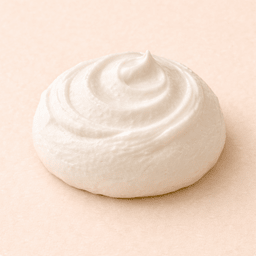 Labneh
  Cucumber
 Synbiotic: cucumber prebiotic fibers + labneh concentrated probiotics
Strained yogurt (labneh) contains 2-3x higher probiotic concentrations than regular yogurt
Technical: Labneh contains concentrated probiotics (10⁸-10⁹ CFU/g) through the straining process — 2-3x higher than regular yogurt. Cucumber peel contains indigestible cellulose and hemicellulose serving as prebiotic substrate. The high water content of cucumber (96%) also creates a favorable hydration environment for bacterial fermentation in the colon.
What does this mean for you? Labneh with cucumber (traditional Middle Eastern breakfast) is a synbiotic combination. The fibers from cucumber peel feed the concentrated probiotics from labneh — an ancient tradition with scientific logic.
DigestionImmune System
Labneh 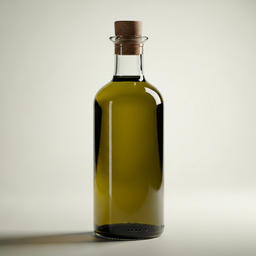 Olive Oil
 Bioactive peptides (VPP, IPP) + oleuropein influence ACE enzymes via complementary pathways
Fermentation peptides and oleuropein inhibit ACE enzyme via complementary mechanisms
Technical: Labneh fermentation produces bioactive peptides (VPP, IPP) that influence ACE enzymes. Oleuropein from olive oil modulates the same enzymes but via different binding sites. Together they reach the ACE system via complementary pathways — a traditional Levantine combination with biochemical logic.
What does this mean for you? Labneh with olive oil (traditional Levantine breakfast) is a classic combination. Both ingredients contain bioactive compounds working via complementary pathways — centuries-old culinary wisdom.
HeartGeneral Wellness
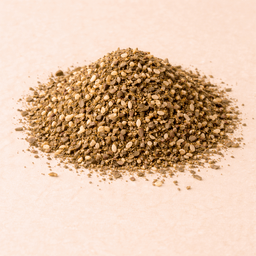 Za'atar Olive Oil
 Thymol and carvacrol from zaatar are fat-soluble, olive oil increases absorption
Thymol and carvacrol are lipophilic monoterpenes with antimicrobial properties (PMID: 31009261)
Technical: Thymol and carvacrol are the main active compounds in zaatar (thyme, oregano) and are fat-soluble. Olive oil forms mixed micelles improving absorption up to 3x. Traditional Levantine combination where bread is dipped in zaatar+olive oil mixture.
What does this mean for you? The traditional way of using zaatar (with olive oil) is scientifically perfect. The fat-soluble bioactive compounds are optimally absorbed this way.
Immune SystemDigestion
Instructions
- 1 Divide the labneh evenly among the small bowls and smooth the surface with the back of a spoon.
Nutrition per serving
Indicative values per serving.
Timing & Suitability
Shelf life: 2 days in fridge
Tags & Diet
Allergens: Dairy