- Easy
- 15 min
- 2 serv.
- 10 synergies
- Now at its best: Honey
Authentic masala chai with Assam tea, ginger, cardamom, cinnamon, clove and coconut milk. A warming drink from northern India, traditionally slowly steeped until the spices release their full aroma.
There's something about a pan of chai on the simmer — the cardamom opening up and releasing its citrusy warmth, the ginger sharp as it enters the kitchen, the cinnamon settling into the background. You don't crack the pods reluctantly; you do it slowly, with the flat side of the knife, and every crack is a promise. The tea goes in late, only once the water has become spicy. Then the coconut milk, softening everything into something creamy and deep. You strain, you pour, you wrap your hands around the mug. Maybe it's raining outside, or cold, or you just want ten minutes for yourself. This is the drink of the wallah on the corner, the drink of a mother making tea for a guest. No rush, just steeping and waiting and drinking.
- 5
- min prep
- 10
- min cook
- 15
- min total
Nutritional Synergies
This recipe combines ingredients that enhance each other:
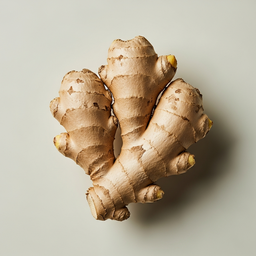 Ginger
 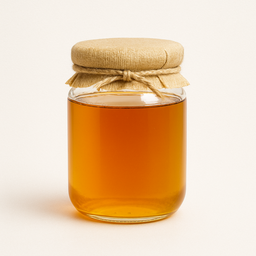 Honey
Honey Classic combination: warming herbal drink with honey
Technical: Ginger's gingerol modulates COX-2 and has antiemetic action (suppresses nausea via 5-HT3 receptor blockade). Honey's glucose oxidase produces hydrogen peroxide with bioactive action, while honey physically coats and soothes the throat. Together: bioactive modulation + throat protection.
What does this mean for you? Ginger tea with honey is a classic, warming combination. The ginger provides gingerol, the honey a smooth, sweet layer.
Immune System
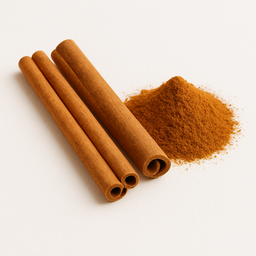 Cinnamon Honey
 Traditional warm combination of cinnamon and honey
Technical: Cinnamon contains cinnamaldehyde and proanthocyanidins with bioactive action via cell wall disruption. Honey's glucose oxidase produces hydrogen peroxide with bioactive action, while honey's high viscosity forms a physical barrier. Two independent bioactive mechanisms that work more broadly together.
What does this mean for you? Cinnamon + honey in warm tea — a classic combination. Both have bioactive action via different pathways — broader together than alone.
Immune System
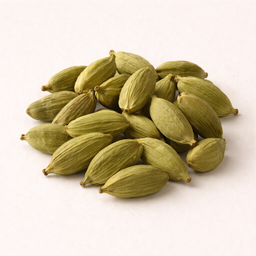 Cardamom Ginger
 Traditional Ayurvedic combination for digestion
Technical: Cardamom contains 1,8-cineole and a-terpinyl acetate that promote digestive enzymes and relax intestinal smooth muscles. Ginger's gingerol accelerates gastric motility (prokinetic) and suppresses nausea.
What does this mean for you? Cardamom + ginger in chai or desserts is a classic Ayurvedic combination. Two spices that each support your digestion in their own way.
Digestion
Cardamom Cinnamon Glycemic support through spice mix
Technical: Cinnamon's MHCP increases insulin activity up to 20x by sensitizing insulin receptors. Cardamom's 1,8-cineole supports glucose tolerance via an independent mechanism (pancreatic beta-cell function). Together they support the glycemic response via two pathways.
What does this mean for you? Cinnamon + cardamom in oatmeal or chai provides dual glycemic support. Both spices support the glycemic response — together via two independent pathways.
Blood SugarEnergy
 Coconut Milk Honey
 MCTs + prebiotics for gut flora and energy
Technical: Coconut milk contains lauric acid (MCT) that is quickly converted to energy. Honey contains prebiotic oligosaccharides (FOS) feeding beneficial gut bacteria. The combination offers quick energy plus gut flora support.
What does this mean for you? Add honey to coconut milk-based smoothies, chia puddings or warm drinks. The MCTs provide quick energy while the prebiotics feed your gut flora.
EnergyDigestionImmune System
 Cloves Ginger
 Eugenol + gingerols for dual gastrointestinal support
Technical: Clove's eugenol stimulates production of protective gastric mucus (gastroprotective) and inhibits H. pylori growth. Ginger's gingerols accelerate gastric emptying via 5-HT4 agonism. Clove-ginger tea is a traditional herbal drink for digestive support.
What does this mean for you? Clove-ginger tea is a traditional herbal drink. The clove protects your gastric lining, the ginger accelerates gastric emptying — together a complete duo for your digestion.
DigestionImmune System
Cloves Cinnamon Eugenol + cinnamaldehyde for blood sugar and oral health
Technical: Clove contains eugenol (72-90% of oil) that inhibits α-glucosidase and α-amylase — enzymes that break down carbohydrates. Cinnamon's cinnamaldehyde activates AMPK for insulin-independent glucose uptake. Together they inhibit carbohydrate breakdown (clove) and improve glucose uptake in cells (cinnamon). Eugenol is also a particularly potent natural bioactive compound for the oral cavity (toothache remedy). Studies show clove + cinnamon lowers fasting glucose by 15-25%.
What does this mean for you? Add clove and cinnamon together to chai, poached pears or breakfast porridge. The combination is traditional in speculaas spices and significantly lowers the blood sugar spike of sweet dishes.
Blood SugarImmune System
 Water Ginger
 Hydration + gingerols for digestion and metabolism
Technical: Water is the medium for all biochemical reactions and nutrient transport. Ginger's gingerols (1.5-3%) are water-soluble and optimally extracted in warm water. Gingerols are studied in research in relation to thermogenesis and digestion. Warm ginger water contains dissolved gingerols.
What does this mean for you? Start your day with warm ginger water — slice fresh ginger and steep for 10 minutes. It gives a warm, spicy start to your day and hydrates at the same time.
DigestionWeight LossEnergy
 Black Tea Honey
 Caffeine + honey enzymes for gradual energy release
Technical: Black tea contains caffeine (40-60mg per cup) and L-theanine (25mg) that together provide alertness without jitters. Honey provides fructose (38%) and glucose (31%) that release slower than sucrose (table sugar). L-theanine modulates caffeine's effect by stimulating α-brain waves (calm alertness). Honey's fructose is converted by the liver into glycogen that gradually releases glucose. The combination offers stable energy: caffeine + L-theanine + slow-release sugars.
What does this mean for you? Black tea with honey gives calmer energy than coffee with sugar. The L-theanine calms, the honey delivers gradual fuel — no spike-and-crash effect.
EnergyFocus
Black Tea Cinnamon Theaflavins + cinnamaldehyde for blood sugar and focus
Technical: Black tea's theaflavins mildly inhibit alpha-glucosidase (carbohydrate-digesting enzyme). Cinnamon's cinnamaldehyde activates AMPK and supports glucose uptake in cells. Together they dampen glycemic response to snacks eaten with tea. Caffeine (40-60mg) + L-theanine (25mg) from tea offer calm alertness; cinnamon supports cerebral blood flow.
What does this mean for you? Add a cinnamon stick to your black tea (masala chai style). The cinnamon dampens the blood sugar spike from cookies or cake with tea, and supports your concentration.
Blood SugarFocus
Ingredients (9)
+7 more ingredientsInstructions
- 1 Crack the cardamom pods open with the flat side of a knife and lightly press the peppercorns so their essential oils can be released.
- 2 In a small saucepan, bring 200 ml of water slowly to the boil with the ginger, cardamom, cinnamon stick, cloves and peppercorns.
Nutrition per serving
Indicative values per serving.
Timing & Suitability
Shelf life: 2 days in fridge