- Easy
- 65 min
- 10 serv.
- 8 synergies
- Now at its best: Walnuts
The ripest bananas sitting in your fruit bowl — black spots and all — become the best banana bread you've ever tasted. Walnuts give crunch, cinnamon gives warmth, and yogurt keeps everything moist for days.
There are recipes you make because they impress. And there are recipes you make because the house smells of them. This is the second kind.
The scent starts at the mixing stage — overripe banana and cinnamon, that warm, comforting combination everyone knows. You roughly break the walnuts in, big enough that you feel them in every bite. After fifty minutes in the oven, the top is crispy and dark brown, the inside so moist it almost sticks to your knife. Slice it warm with a pat of butter, or save it for tomorrow morning — cold from the bread box, it's just as good.
- 15
- min prep
- 50
- min cook
- 65
- min total
Nutritional Synergies
This recipe combines ingredients that enhance each other:
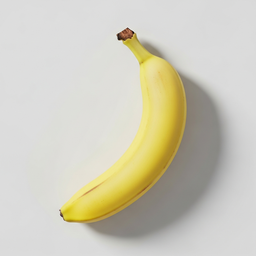 Bananas
 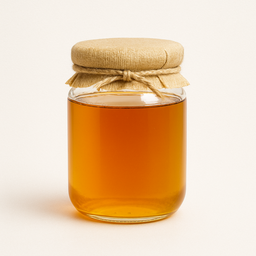 Honey
Honey Quick + slow sugars with potassium for sport and recovery
Technical: Banana contains 358mg potassium and 22g carbohydrates (mix of glucose, fructose, sucrose). Honey provides quick glucose + fructose plus prebiotic FOS. The combination offers immediate energy (honey) plus slower energy (banana starch) and electrolytes (potassium).
What does this mean for you? Banana with honey is an ideal pre- or post-workout snack. The potassium prevents muscle cramps, the sugars replenish glycogen.
EnergyMuscle GainDigestion
Honey 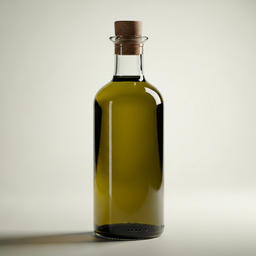 Olive oil
 Dual bioactive action via chrysin + oleocanthal
Technical: Honey contains chrysin and olive oil oleocanthal — bioactive phenolic compounds studied in research in connection with NF-κB and COX signaling. Together they provide plant compounds through two independent routes.
What does this mean for you? A dressing of honey and olive oil is not just tasty — the chrysin and oleocanthal work through two different routes in your body.
Anti-inflammatoryHeartJoints
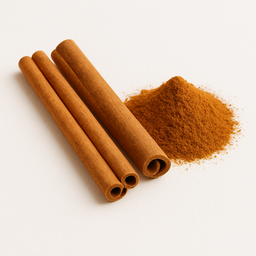 Cinnamon Bananas
 Cinnamon with banana: warm spiced combination
Technical: Banana contains 12g sugars per 100g (GI 51). Cinnamaldehyde from cinnamon slows gastric emptying and modulates insulin signaling via AMPK activation and MHCP. Studies report a flatter postprandial glucose curve. Sugars are absorbed more gradually instead of as a sharp spike.
What does this mean for you? Sprinkle banana slices with cinnamon as a snack or in your oatmeal. The cinnamon flattens the banana's sugar spike, keeping your energy stable longer.
EnergyWeight Loss
Cinnamon Honey Traditional warm combination of cinnamon and honey
Technical: Cinnamon contains cinnamaldehyde and proanthocyanidins with bioactive action via cell wall disruption. Honey's glucose oxidase produces hydrogen peroxide with bioactive action, while honey's high viscosity forms a physical barrier. Two independent bioactive mechanisms that work more broadly together.
What does this mean for you? Cinnamon + honey in warm tea — a classic combination. Both have bioactive action via different pathways — broader together than alone.
Immune System
Cinnamon 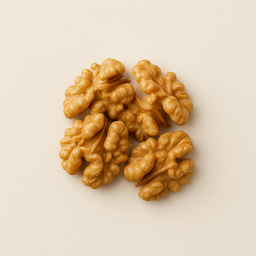 Walnuts
 Cinnamon's insulin sensitivity + walnut omega-3 for metabolic health
Technical: Cinnamaldehyde activates AMPK and improves insulin signaling, while walnuts' ALA (alpha-linolenic acid) and ellagitannins regulate fat metabolism via PPARγ activation. Together they improve glucose metabolism via two complementary pathways.
What does this mean for you? Sprinkle walnuts with cinnamon as a snack or in your oatmeal — a delicious combination that supports your blood sugar and fat metabolism.
Blood SugarHeartWeight Loss
Walnuts Honey ALA omega-3 + enzymatic honey: complementary bioactive pathways
Technical: Walnuts' ALA (omega-3) influences prostaglandin metabolism via complementary biochemical pathways. Honey's glucose oxidase produces hydrogen peroxide. Together they provide two complementary bioactive pathways: walnuts via the omega-3 → prostaglandin pathway, honey via enzymatic activity.
What does this mean for you? Walnuts with honey is a classic combination — the omega-3 fatty acids influence prostaglandin metabolism, honey provides enzymes such as glucose oxidase. Two complementary pathways in one snack.
HeartImmune SystemEnergy
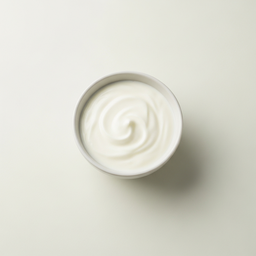 Yogurt Honey
 Synbiotic duo: prebiotic honey feeds probiotics from yogurt
Technical: Yogurt contains live probiotics that support gut flora diversity. Raw honey contains prebiotic oligosaccharides serving as food for these probiotics, plus glucose oxidase producing hydrogen peroxide. This synbiotic effect — honey feeds beneficial bacteria — provides complementary action that neither ingredient offers alone.
What does this mean for you? Use raw (unheated) honey in your yogurt. The honey is more than a sweetener — it actively feeds the beneficial bacteria from the yogurt, forming a synbiotic combination.
DigestionImmune System
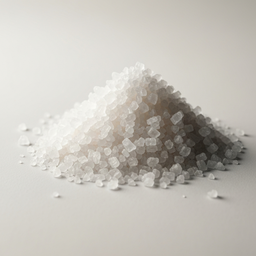 Sea salt Olive oil
 Minerals + polyphenols for cellular balance
Technical: Sea salt's sodium is essential for the sodium-potassium pump (Na+/K+-ATPase) that regulates every body cell. Olive oil's oleuropein and hydroxytyrosol provide antioxidant protection for cell membranes. The combination supports cell integrity: sea salt regulates ion balance, olive oil protects the membrane. In Mediterranean cuisine, coarse sea salt + olive oil is the most basic flavor profile.
What does this mean for you? Freshly ground sea salt with extra virgin olive oil is the simplest and most nutritious finishing of any dish. The combination provides the basic needs of your cells: minerals for function, polyphenols for protection.
HeartGeneral Wellness
Ingredients (9)
+7 more ingredients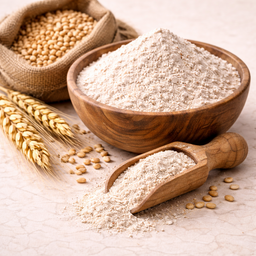
Instructions
- 1 Preheat the oven to 180°C. Grease a loaf pan (approx. 25 cm) with olive oil or line with parchment paper.
- 2 Mash the bananas with a fork in a large bowl to a rough puree. A few small pieces can remain — that gives texture.
Nutrition per serving
Indicative values per serving.
Timing & Suitability
Shelf life: 4 days in fridge
Tags & Diet
Allergens: Gluten, Eggs, Dairy, Nuts