- Medium
- 35 min
- 2 serv.
- 7 synergies
- Now at its best: Garlic
Thai red curry with juicy shrimp in creamy coconut milk, fragrant with lemongrass and fresh ginger. With red bell pepper and a squeeze of lime juice, served on white rice.
The red curry paste dissolves into creamy coconut milk, giving a warm orange glow. Lemongrass stalks release their citrusy freshness while grated ginger and garlic form the base. The shrimp go in only at the end — three minutes is enough to turn them pink and firm without becoming rubbery. Red bell pepper adds color and sweetness, while a squeeze of lime juice brightens the entire dish.
- 15
- min prep
- 20
- min cook
- 35
- min total
Nutritional Synergies
This recipe combines ingredients that enhance each other:
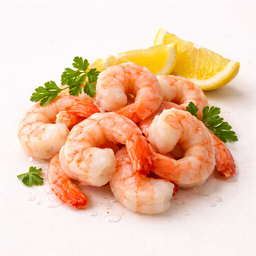 Shrimp
 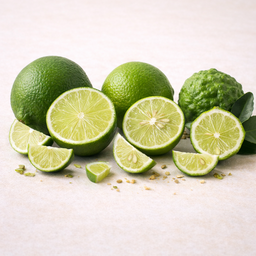 Lime
Lime Better iron absorption from shellfish
Technical: Shrimp contain 2mg iron per 100g, mainly as heme iron (well absorbed) plus some non-heme iron. Lemon provides 53mg vitamin C per 100g that reduces non-heme iron from Fe³⁺ to the more absorbable Fe²⁺. Additionally, citric acid promotes absorption by chelating minerals, which also improves uptake of zinc (1.6mg) and selenium (38μg) from shrimp.
What does this mean for you? Sprinkle your shrimp with lemon or lime juice. This works in cocktail sauces, ceviche, pad thai and shrimp soup. The citrus not only freshens the flavor but also increases your mineral absorption.
EnergyImmune System
Shrimp 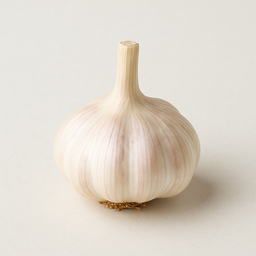 Garlic
 Astaxanthin + allicin influence lipid metabolism via complementary pathways
Technical: Shrimp contain astaxanthin (1.5-3mg per 100g) — a potent carotenoid antioxidant that neutralizes singlet oxygen. Garlic contains allicin that works through a different mechanism: it influences HMG-CoA reductase (involved in lipid metabolism). Together they offer complementary biochemical pathways: antioxidation (astaxanthin) + lipid modulation (allicin).
What does this mean for you? Gambas al ajillo (shrimp in garlic oil) isn't just a Spanish classic but also a functional combination. Use at least 4-5 cloves of garlic and don't brown them too much — allicin breaks down at high temperatures.
HeartAnti-inflammatory
Garlic 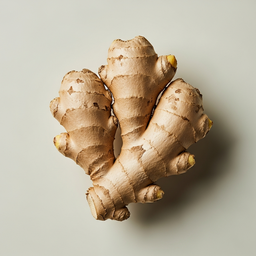 Ginger
 Allicin + gingerols: complementary bioactive action
Technical: Garlic's allicin works via thiol enzyme inhibition — effective against gram-positive bacteria (Staphylococcus, Streptococcus). Ginger's gingerols and shogaols influence viral replication and stimulate interferon production. Together they cover both bacterial and viral pathways.
What does this mean for you? Garlic-ginger tea is a classic combination. Garlic works via thiol enzymes, ginger via interferon pathways. Cut both fresh for maximum active compounds — allicin only forms after 10 minutes of air exposure.
Immune System
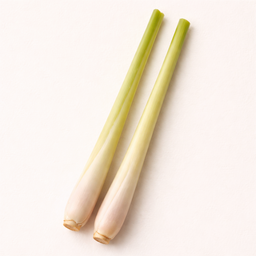 Lemongrass Ginger
 Classic Asian digestive support
Technical: Lemongrass contains citral that promotes digestive enzymes and is bioactive. Ginger's gingerol accelerates gastric motility (prokinetic) and suppresses nausea. Together they promote digestion via two complementary pathways.
What does this mean for you? Lemongrass + ginger in soup or tea — a classic Asian combination. Two herbs that promote your digestion via complementary pathways.
DigestionAnti-inflammatory
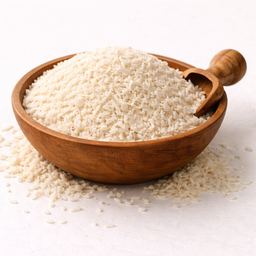 Rice Ginger
 Ginger lowers glycemic response of rice by 10-15%
Technical: Rice has a moderate to high GI (56-89 depending on variety). Ginger contains gingerols that modulate amylase activity and influence gastric emptying, reducing the glycemic peak by 10-15%. This has been demonstrated for jasmine rice but applies to all rice varieties.
What does this mean for you? Cook ginger slices in your rice or serve rice with ginger dishes. A simple addition with measurable effect on your blood sugar.
Blood SugarDigestionEnergy
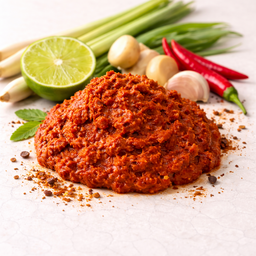 Red Curry Paste Ginger
 Red chili spices + gingerols for synergistic digestion
Technical: Red curry paste's galangal and ginger belong to the same Zingiberaceae family but contain complementary bioactive compounds. Galangal's ACA (acetoxychavicol acetate) modulates NF-kB, ginger's gingerols modulate COX-2 — different signaling pathways. Together with capsaicin (TRPV1 activation) they offer three-way bioactive action. Ginger's prokinetic action also helps digest the fatty curry dish.
What does this mean for you? Add extra fresh ginger to red curry alongside the galangal already in the paste. They're family but complement each other — stronger together than apart.
Anti-inflammatoryDigestion
Red Curry Paste  Coconut Milk
 Red chili paste + MCT fats for optimal capsaicin absorption
Technical: Red curry paste contains dried red peppers (capsaicin 0.5-2%), galangal (ACA), lemongrass (citral) and shrimp paste (umami + omega-3). Coconut milk's MCTs and lauric acid form micelles that make capsaicin and other fat-soluble compounds 3-5x more absorbable. Coconut fat also buffers capsaicin irritation on the stomach wall through coating. The combination explains why Thai red curry is always made with coconut milk.
What does this mean for you? Red curry without coconut milk is not only less tasty but also less healthy. The coconut milk dissolves active compounds and protects your stomach from the spiciness.
Anti-inflammatoryImmune SystemWeight Loss
Instructions
- 1 Cook the rice according to package directions.
- 2 Heat a splash of oil in a wok or deep pan. Sauté the garlic and ginger for 1 minute over medium heat.
Nutrition per serving
Indicative values per serving.
Timing & Suitability
Shelf life: 3 days in fridge
Tags & Diet
Allergens: Shellfish