- Easy
- 55 min
- 2 serv.
- 4 synergies
- Now at its best: Red Bell Pepper
Roasted bell peppers stuffed with quinoa, tomato, fresh mint and parsley. Finished with olive oil and a touch of sumac.
The moment you open the oven, the aroma greets you: sweet roasted peppers slowly caramelized, with a filling inside that steams with fresh herbs. Each pepper is a bowl in itself — the quinoa has absorbed all the juices and is fluffy and grainy, studded with tomato pieces that release just enough juice to keep everything moist. The mint provides a surprising freshness you don't expect in a warm dish, and the sumac at the end — that subtle citrusy tang — pulls all the flavors together. Eat them with your hands if you dare, or with knife and fork if the plate is too beautiful to mess up.
- 15
- min prep
- 40
- min cook
- 55
- min total
Nutritional Synergies
This recipe combines ingredients that enhance each other:
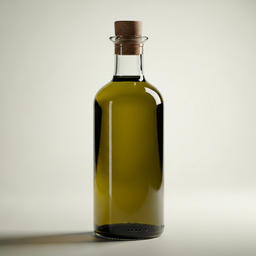 Olive Oil
 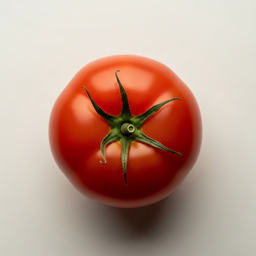 Tomato
 Mediterranean golden rule: fat increases lycopene absorption 4x
Fat significantly increases lycopene bioavailability (PMID: 15927929)
Technical: Tomatoes contain lycopene (3-7mg per 100g), a carotenoid with strong antioxidant action. Lycopene is fat-soluble with only 10-15% absorption without fat. Olive oil increases this to 40-60% (2.5-4x improvement). Cooking further increases lycopene bioavailability.
What does this mean for you? Always add olive oil to tomato dishes — sauces, salads, bruschetta. This is why Mediterranean cuisine is so healthy. Cooked tomatoes with olive oil = maximum lycopene.
HeartSkin & Hair
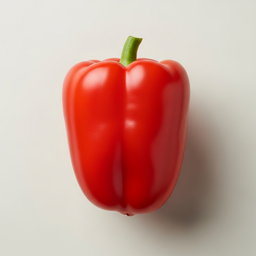 Red Bell Pepper Olive Oil
 Fat improves carotenoid absorption
Technical: Red pepper contains 3131μg beta-carotene per 100g — significantly more than green (208μg). Carotenoids are absorbed via passive transport with mixed micelles. Oleic acid (73% of olive oil) forms these micelles and increases beta-carotene absorption up to 5x (American Journal of Clinical Nutrition).
What does this mean for you? Roasted pepper with olive oil isn't just tasty but increases beta-carotene absorption up to 5x. Your body can barely absorb it without fat.
Immune SystemSkin & Hair
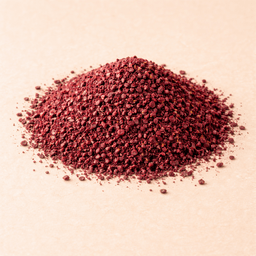 Sumac Olive Oil
 Gallotannins from sumac are fat-soluble, olive oil increases bioavailability
Gallotannins from Rhus coriaria are lipophilic and require dietary fat for absorption (PMID: 36014419)
Technical: Gallotannins and polyphenols from sumac are fat-soluble. Olive oil contains 73% oleic acid that promotes micelle formation, improving antioxidant absorption up to 3x in the gut.
What does this mean for you? Always use sumac in dishes with olive oil (like salads or grilled meat). The fat-soluble antioxidants will be absorbed much better for broader bioactive benefits.
Anti-inflammatoryHeart
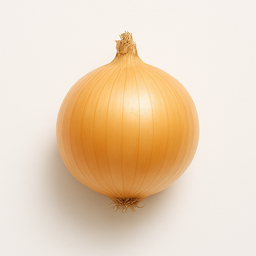 Onion Tomato
 Quercetin + lycopene: synergistic polyphenol-carotenoid combination
Technical: Quercetin from onion (20-40mg/100g) and lycopene from tomato (2573μg/100g) work through different mechanisms. Quercetin chelates metal ions and modulates lipid peroxidation, lycopene quenches singlet oxygen. Combined polyphenols and carotenoids work synergistically — the combination works through complementary mechanisms.
What does this mean for you? Tomato sauce with onion is the base of nearly every Mediterranean cuisine — and rightly so. Quercetin and lycopene enhance each other's action through complementary biochemical pathways. Cooking in olive oil makes carotenoids more absorbable.
HeartAnti-inflammatory
Instructions
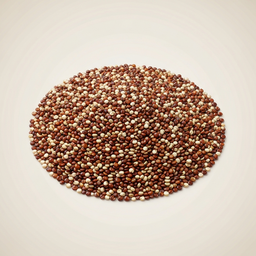
- 1 Preheat the oven to 200°C. Cook the quinoa in 200ml water according to package directions (about 15 minutes) until all liquid is absorbed. Let cool.
Nutrition per serving
Indicative values per serving.
Timing & Suitability
Shelf life: 3 days in fridge