- Medium
- 35 min
- 4 serv.
- 6 synergies
- Now at its best: Pistachio Nuts
Toasted semolina cooked in warm milk with saffron strands, finished with a hint of cinnamon and a generous layer of chopped pistachios. A Turkish classic served warm or at room temperature.
It starts with the semolina. You melt a piece of butter in a wide pan, scatter the semolina in and stir. Not briefly, not for a minute — you stir for five, six, seven minutes, until the grains colour from pale yellow to warm gold and the kitchen fills with a deep, nutty aroma reminiscent of freshly baked bread. That toasting is the whole secret. Meanwhile you have warmed milk with saffron strands that have already released their orange colour into the liquid. You pour the milk slowly into the semolina — it hisses, it steams, it demands constant stirring. Honey through it, cinnamon, a splash of vanilla. And then ten minutes of patience on low heat, while the mass thickens into something between pudding and dough. Warm, comforting, golden from the saffron. Spooned into bowls, with chopped pistachios over it — that green against that gold. Halwa as it should be.
- 15
- min prep
- 20
- min cook
- 35
- min total
Nutritional Synergies
This recipe combines ingredients that enhance each other:
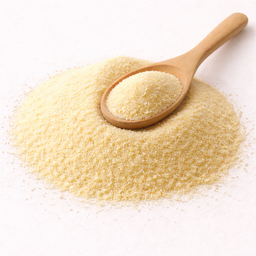 Semolina
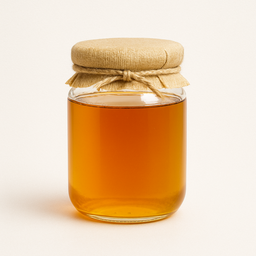 Honey
Gluten protein + enzymatic honey for digestion
Technical: Semolina contains gluten protein (11-13g protein/100g). Raw honey contains proteases and diastase enzymes that support protein digestion. Fructo-oligosaccharides in honey feed gut bacteria. Glucose oxidase in honey produces hydrogen peroxide with bioactive effects in the digestive tract.
What does this mean for you? Semolina porridge with honey is a traditional breakfast or dessert in many cultures — and that is no coincidence. The honey adds not only sweetness but also digestive enzymes. Use raw honey for maximum effect.
DigestionEnergy
Semolina 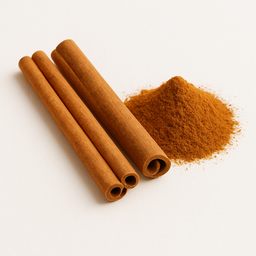 Cinnamon
Semolina + cinnamon: cinnamaldehyde, studied in relation to the blood sugar response
Technical: Semolina (durum wheat) has a relatively high GI (65-70) from rapidly available starch. Cinnamon contains cinnamaldehyde (65-80% of the oil) and MHCP polymers; both are studied in relation to AMPK, insulin receptors and the blood sugar response — results of studies with 1-6g cinnamon per day vary.
What does this mean for you? Semolina porridge or pudding with cinnamon is a classic pairing in many cuisines: warm, sweet and fragrant. Choose Ceylon cinnamon for daily use.
Blood SugarEnergy
Cinnamon Honey Traditional warm combination of cinnamon and honey
Technical: Cinnamon contains cinnamaldehyde and proanthocyanidins with bioactive action via cell wall disruption. Honey's glucose oxidase produces hydrogen peroxide with bioactive action, while honey's high viscosity forms a physical barrier. Two independent bioactive mechanisms that work more broadly together.
What does this mean for you? Cinnamon + honey in warm tea — a classic combination. Both have bioactive action via different pathways — broader together than alone.
Immune System
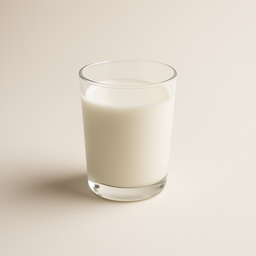 Milk Cinnamon
Milk calcium + cinnamon polyphenols for bone and blood sugar balance
Technical: Milk's calcium and vitamin D support bone metabolism — calcium contributes to the maintenance of normal bones (EFSA). Cinnamon's polyphenols and cinnamaldehyde activate AMPK and influence insulin signaling. Milk's casein slows absorption, extending cinnamon's effect on glycemic response.
What does this mean for you? Warm milk with cinnamon (as in talbina) is a traditional drink combining both calcium for your bones and bioactive polyphenols.
Blood SugarJointsSleep
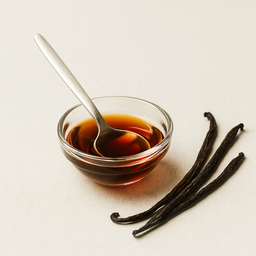 Vanilla Extract Honey
Vanillin + honey enzymes: aroma and softness
Technical: Vanilla extract contains vanillin (1-2%), an antioxidant that scores higher than vitamin C in an in-vitro DPPH assay; vanillin is studied in relation to GABA-A receptors and MAO-B. Honey provides enzymes (glucose oxidase, catalase) and prebiotic oligosaccharides; most of the body's serotonin is made in the gut, which makes the microbiome a research topic. The combination is above all aromatic: vanillin + the floral flavours of honey.
What does this mean for you? Add a few drops of real vanilla extract to warm honey milk or tea: comfort food — warm, sweet and floral.
Stress ReliefSleep
Vanilla Extract Cinnamon Vanillin + cinnamaldehyde reduce sugar craving
Technical: Vanillin activates sweet receptors (T1R2/T1R3) without providing calories, increasing perceived sweetness of dishes by 30-40%. Cinnamon's cinnamaldehyde activates AMPK and supports glucose uptake in cells, biochemically reducing sugar cravings. Together they lower the need for added sugar: vanilla makes sweeter (sensory), cinnamon supports glucose balance (metabolic).
What does this mean for you? Add vanilla extract + cinnamon to your coffee, oatmeal or yogurt instead of sugar. Your brain experiences sweetness but your glucose balance stays stable — the smartest way to eat less sugar.
Blood SugarWeight Loss
Instructions
- 1 Soak the saffron strands in 2 tbsp warm water for 10 minutes.
- 2 Heat the milk in a pan until just below boiling point.
Nutrition per serving
Indicative values per serving.
Timing & Suitability
Shelf life: 2 days in fridge
Tags & Diet
Allergens: Dairy, Gluten, Nuts